
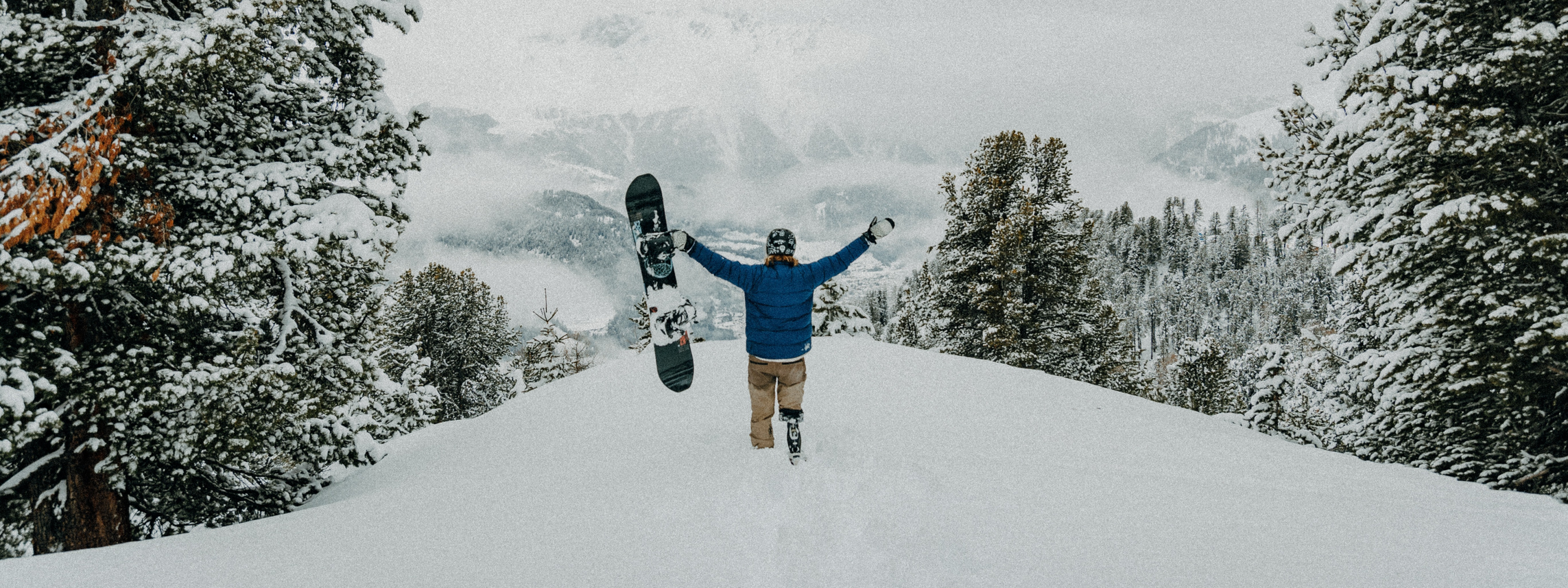
New Boundaries: Marian's Story of Survival, Determination, and Resilience in the Aftermath of an Avalanche
by Rebecca Legon
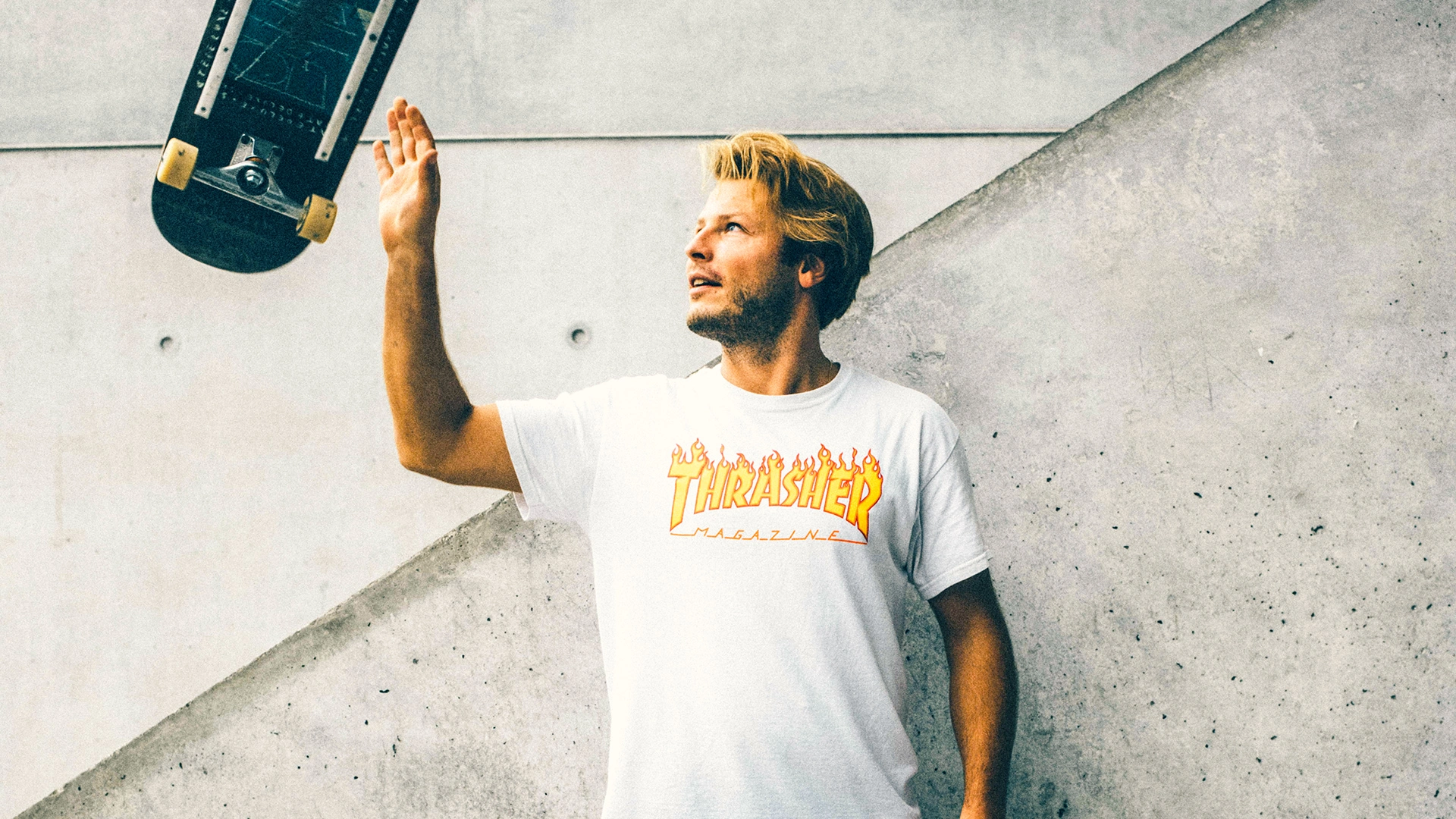
Marian's incredible journey showcases pure strength and determination after a catastrophic avalanche. Before his accident, he was an avid sportsperson who thrived on the adrenaline and thrill of action sports like skateboarding, free skiing, and off-piste adventures in the mountains. But one fateful day, while freeskiing with a friend, an avalanche swept them away. Marian was fortunate to survive his life-threatening injuries, but he lost a leg in the process.
New Boundaries: Marian's Story is a four-part documentary by Ottobock, now available on YouTube, beautifully capturing Marian's extraordinary story of survival. You'll follow the highs and lows of his arduous rehabilitation journey, fuelled by his unstoppable spirit and passion for reclaiming his love for sports. With a strong mind, we can adapt and overcome almost anything; our bodies are incredible, and Marian showcases this through his empowering journey. His story leaves viewers in awe of the indomitable human spirit, illustrating how one can rise above even the darkest moments.
Marian is a beacon of hope for anyone who has endured trauma or faced an amputation or life-altering event, reminding us of our ability to achieve the impossible, embrace life's "New Boundaries," adapt without limitations, and continue to grow.
In my interview with Marian, we delve into his story and discuss why he wanted to share his most challenging moments with the world…
Experiencing an avalanche must have been incredibly terrifying. What inspired you to share this personal experience with the world? My aim of the story wasn't to highlight the avalanche. It's more about what came after it and how I overcame the whole event and process. What matters most to me and why I wanted to document my journey is that no one else, or very few people, will experience the same accident as I have, but so many of us face similar life challenges that we must face and overcome. Sharing my journey, I want to empower others so that we aren't alone and you can overcome traumatic life events - even if my story can help a little, that makes me happy.
What thoughts and strategies helped you stay strong during a traumatic event like an avalanche? It was all just basic survival instinct taking over during the avalanche and the emergency helicopter transfer to the hospital. After this, when I was recovering in the hospital, the most important thing was to remain positive. I mean, it sounds cliché, but that's all that really matters. Try to appreciate all of the little steps to recovery, one by one, that bring you closer to being released from the hospital.
What were some of the biggest mental and physical challenges during your recovery and rehabilitation? Honestly, all of it. I don't think I can select one thing, and at least nothing stands out and comes straight to my mind. Of course, learning how to walk again using a prosthetic was tough on me. Then, learning how to walk upstairs was probably the most physically challenging, and the mental impact of accepting that everything will be different was the hardest; processing and accepting my accident, amputation, and my life from now on.
Throughout the New Boundaries documentary, your family and friends were beside you; how did this help you during your darkest moments? They cheered me up when I felt down and always supported me through the good and bad days. I felt reassured knowing I could always rely on them. They helped me with everything I couldn't do anymore, and having them by my side throughout it all was the most important thing for me; they made me feel stronger, knowing we were facing everything together.
Can you describe a milestone or breakthrough in your rehabilitation journey that gave you strength and determination not to give up, which can inspire others? During recovery, having to use a wheelchair for a few months was probably the most challenging time in my life, so my number one goal at that point was to get back on two feet. Skateboarding and Snowsports were always in the back of my mind because they were my passion before my accident, and I always knew I wanted to regain that part of my identity. Partaking in sports again motivated me through difficult periods, keeping me on top of my game and never giving up.
How did your perspective on life change after experiencing such a traumatic event? I have gained a much deeper appreciation for life. I'd say my perceptions of people with disabilities have undergone a significant shift. I've discovered a peculiar dynamic among those without disabilities—they struggle to understand what we are going through and often view us negatively, assuming we constantly need help and assistance—which is not always the case. That's the key lesson I've learned, and I hope others can understand, too.
From the start of your journey, you set the goal of returning to sports. Did this goal serve as a driving force, helping you maintain determination and perseverance throughout your journey? Absolutely! I've always been stubborn, and from the very beginning, my goal was to get back into sports, no matter what. It's a sweet feeling to be here, having made it through my accident. Currently, my main focus is on skateboarding, snowboarding, and even surfing in the future. I'm making progress every day, and these passions keep me motivated. Adaptive sports represent what I want to achieve as an amputee, and I'm determined to embrace every moment of the journey.
Did you ever experience moments where you felt overwhelmed or doubted your ability to reach your goal? Can you share any strategies or techniques you found helpful in staying strong? I experience that all the time. Just the other day, I struggled during my first skateboard runs. Everything feels so different now. What used to come easily and without thought has become a real challenge. I'm relearning how my body moves with a missing limb and using a prosthesis, which adds a layer of complexity that can be frustrating—especially when I remember how natural it used to feel. I try to be patient and kind to myself, though I'm not always the most patient person (haha). What helps me during tough times is taking baby steps, accepting the stumbles and falls, and keeping my head high. I refuse to let frustrations take over my spirit.
Do you have any motivational tips or hacks for adapting to the sports you love after your amputation? Honestly, I didn't need a hack because I never doubted that I would reclaim my old life. It's hard to put that into words, but if I had to share something, it would be the power of visualization. Seeing what others in the limb loss community achieve can be incredibly inspiring. I watched videos of other amputee snowboarders and skateboarders online, and they showed me that it is possible to get back into the sports I love.
Being inspired by others who have faced similar journeys fuelled my determination and ignited my passion. While it can be tough, and everyone's journey is unique, I believe that courage is within reach for anyone. We are a community that supports each other, and I truly hope my story can help others reclaim their lives after amputation. My tip is to remember to enjoy the process and appreciate each little step you take toward your goals.
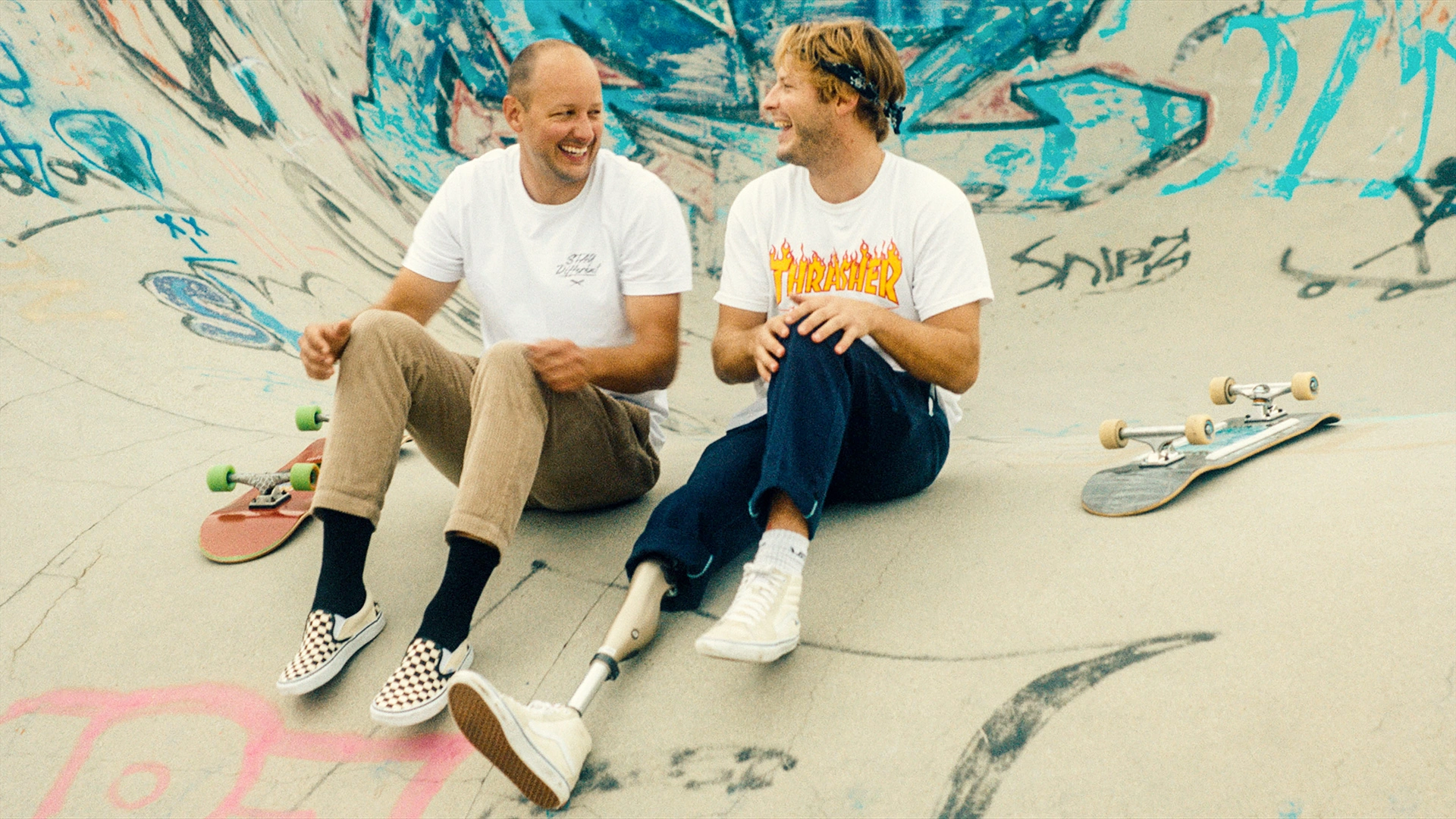
Thank you, Marian, for sharing your inspiring story with the Movao community.
To watch Marian's New Boundaries documentary, add this to your playlist!
We would love to hear from you, too! Please share your experiences and the 'New Boundaries' you've faced by commenting below. The more stories we hear, the more people we can support, as everyone's journey is unique.