Noah Elliot: From Pro-Skateboarder to Paralympic Snowboarder, Inspiring Life Beyond Amputation
by Rebecca Legon
Noah shares his story with Movao and recently as a guest on the Ottobock New Boundaries Live Talks on YouTube. Reflecting on his journey from a bone cancer diagnosis to amputation, rehabilitation, and competing as a professional Paralympic snowboarder, he is dedicated to inspiring and motivating others facing similar challenges. He uses his
platform to uplift and empower them, helping them to conquer their dreams, too.
At just 15 years old, Noah was on the rise of a promising career as a professional skateboarder, achieving semi-pro status with his remarkable talent. However, in only five months, Noah faced two life-changing events—becoming a teen father and receiving a bone cancer diagnosis. After a year-long battle involving chemotherapy and limb reconstruction surgeries to save his leg, Noah decided to undergo elective amputation, reclaiming control of his life.
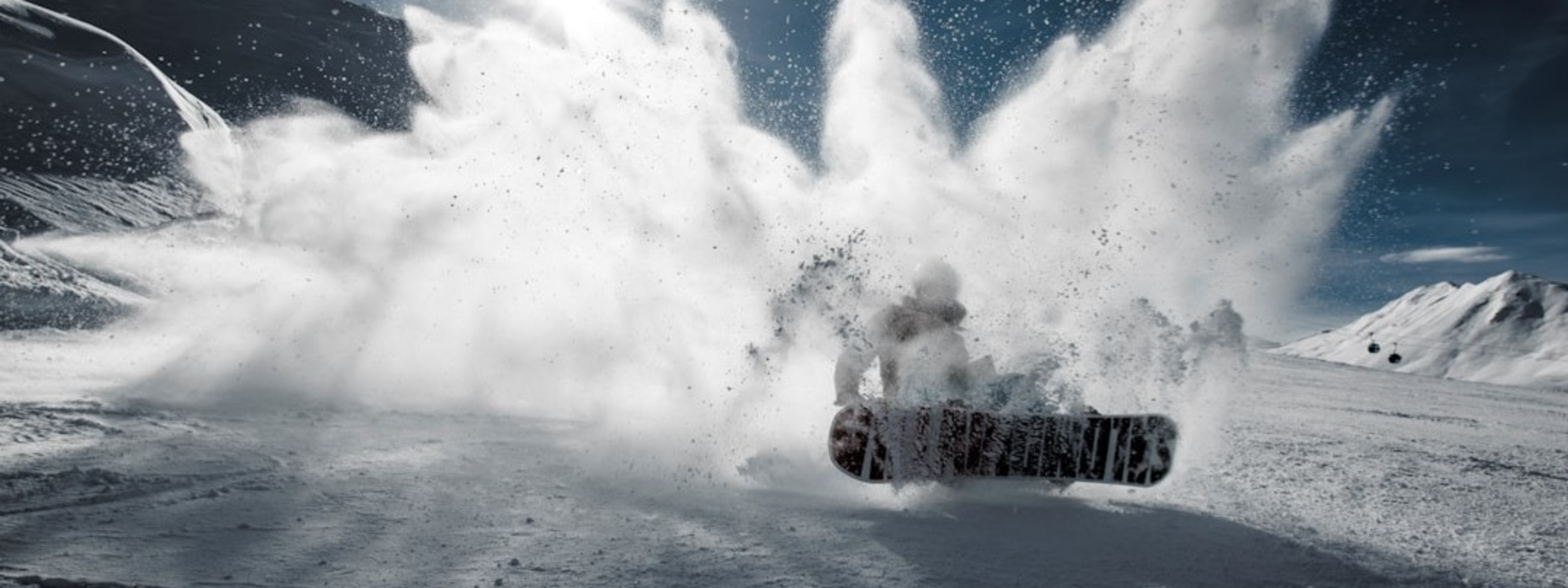
His determination was further fueled when he met an adaptive athlete at a camp for children with cancer, inspiring him to pursue adaptive sports and recreate himself as a Paralympic athlete. Motivated by his passion for skateboarding and inspired by the 2014 Sochi Paralympics, Noah set his sights on snowboarding. Today, he competes for the US and has become a two-time Paralympic snowboarder, winning bronze and gold medals.
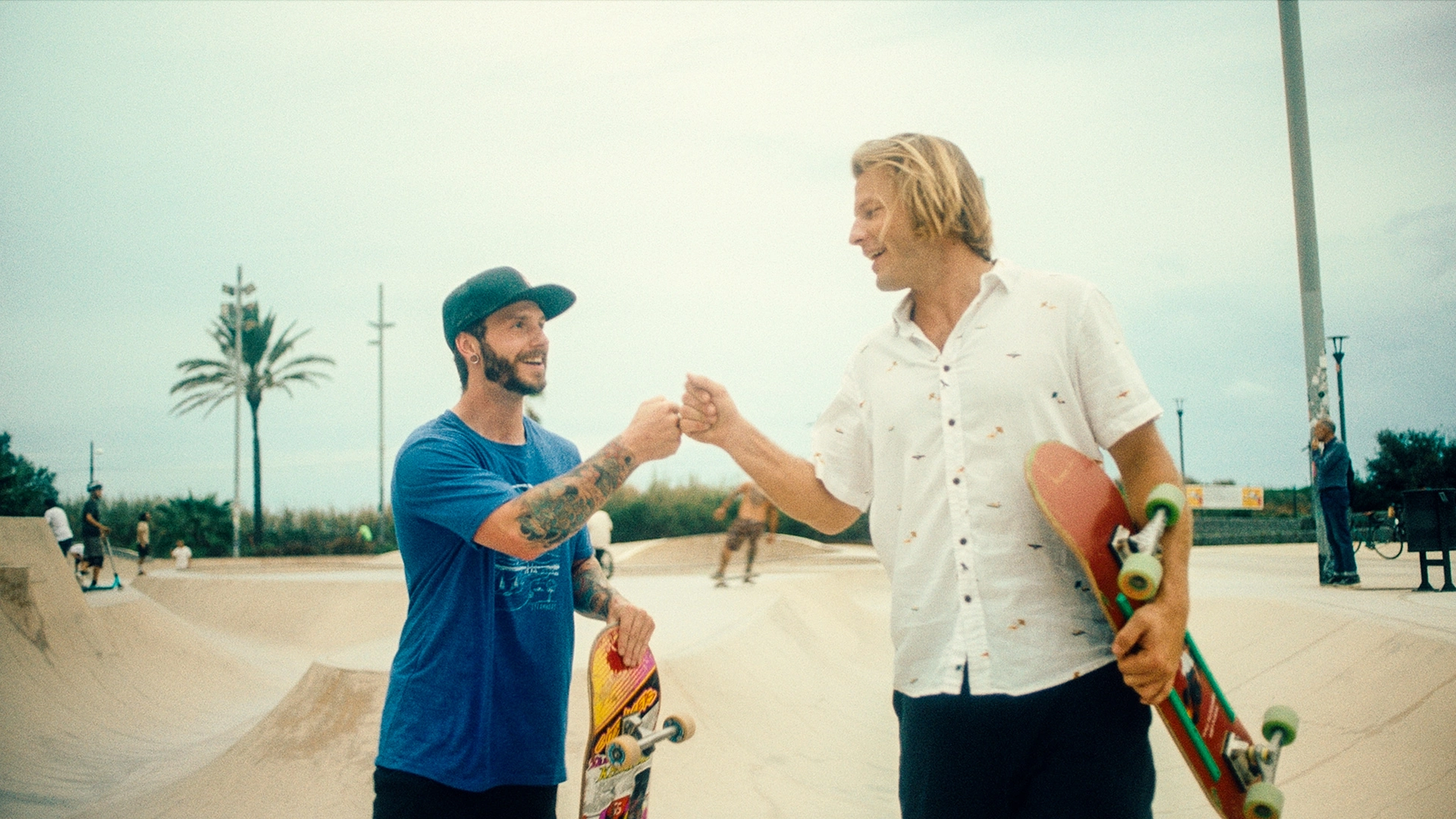
Having personally connected with Marian's story of reclaiming his life after an avalanche accident and amputation, Noah was honored to join Marian in episode four of the New Boundaries four-part documentary to offer his support and advice as Marian returned to his love of skateboarding and adaptive board sports.
I was excited to talk more to Noah and delve deeper into his journey:
Noah, how did you manage to stay strong after becoming a father, receiving a cancer diagnosis, and having an amputation within just five months? "It was tough for me to remain positive and strong-minded. I am very thankful that I had the support of my family to help pick me up when I was feeling down. It took a lot of 'faking it till you make it' and planning 'what life could be if I worked toward it.' At times, it felt impossible, but I just kept imagining what my life could be if I didn't give up."
What inspired you to pursue your dream of becoming a professional snowboarder despite such a setback? Did you always believe you could make a comeback after your amputation? "I put a lot of personal pressure on myself to maintain what would become my 'competitive edge.' This mindset has been with me since childhood—I've always been headstrong. Even after the amputation, I knew it would take a lot of hard work to get back into board sports, but I was dedicated, ready, and willing to make it happen. That drive, along with support from my family, made it all come true. Snowboarding became my new way of expressing my love for board sports."
What advice would you offer to others dealing with traumatic diagnoses and life challenges? "I know we hear it too often, but count the 'little wins.' Those are the triumphs that add up to a big win. Life is unclear, and tomorrow is never promised, so take your time, enjoy the moments you have, and always remember to follow your dreams. Focus on those small victories; they will eventually build into something bigger than you ever imagined."
How did you maintain positivity and strength when faced with such challenging news at a young age? "I had to look past what I was dealing with daily and think about what 'could' or possibly be after cancer. Imagining my future and setting goals for myself helped me survive chemotherapy and helped me deal with my cancer diagnosis and rehabilitation. I found strength in looking ahead and working toward something greater than the moment I was living in."
What aspect of Marian's story in New Boundaries motivated you to offer your support and be involved in his skateboarding journey? Although different situations, did you feel a connection in both your stories? "Meeting Marian was so cool; it's inspiring to see another like-minded skateboarder coming back from amputation and pursuing his goals. That was all the inspiration I needed. Even though we live on opposite sides of the world, we connect on a much deeper level—both as skateboarders and amputees. That shared experience made it easy to offer him support, and I was honored to be a part of his journey in New Boundaries."
How has your journey shaped your perspective on overcoming obstacles, pushing boundaries, and not letting limb loss define you—especially in adaptive sports? "My perspective changes over time, but one thing has stayed consistent—I'm proud of myself for not dwelling in the sadness of everything that happened to me. Instead, I embrace life and move forward, realizing how blessed I am to be alive. It's a gift to not only survive cancer but to continue living my dreams as an adaptive sportsperson. Limb loss doesn't define me; my drive to keep pushing forward does."
You are passionate about using your platform to inspire and empower others. How do you hope your achievements can help others in similar situations? "I know that I have a voice in adaptive sports, and that's why it's so important for me to help inspire and share my journey with others. I hope it can help another person living with a disability to not live in what they can't do but count what they can do. We all have unique abilities, and I hope that by sharing my story, others will be encouraged to chase their dreams, too."
You started snowboarding after amputation. Are there any other sports or challenges you want to try next? "Yes, I've been trying a few new things! Wakeboarding has been fun, and I've also taken up surfing. The hardest part of surfing for me was learning to read the waves and get the timing right, but once I figured that out, I could surf pretty well. I've also just started playing golf, which is totally different from what I'm used to. It's a new challenge, but I love it and highly recommend it as a great sport."
Do you have any top tips for adaptive ski resorts for those wanting to try it but are worried about where to go to meet their needs? "There are lots of great accessible places in the US! My top recommendation is Winter Park in Colorado, home to the National Sports Center for the Disabled (NSCD). They offer plenty of adaptive programs where you can hire an adaptive ski instructor to teach and guide you through the accessible slopes and ski lifts, making navigating the mountains much easier.
Another great spot is Steamboat Springs, Colorado, where they have a similar setup with an adaptive program called STARS (Steamboat Adaptive Recreational Sports).
Finally, Park City, Utah is also a fantastic option. The National Ability Center is based there, where I started my snowboarding journey at Park City Mountain. They have a huge adaptive community, and the National Ability Center is the largest in the USA for adaptive snowsports, with programs for all abilities, disabilities, and levels."
Thank you Noah!
If you haven't watched Marian's Incredible Story New Boundaries, you must add this to your YouTube playlist! https://www.ottobock.com/en-gb/prosthetics/stories/new-boundaries
We're eager to hear about your New Boundaries. Your stories encourage and support others in our Movao community who may face similar challenges. Please join the conversation and comment below.