Champagne sockets and bionic friends: Life beyond amputation
Around the world, limb loss and limb difference affect millions of people. It is estimated that more than 57 million people globally live with limb loss, and tens of millions more are living with limb difference from birth. Every year, hundreds of thousands of amputations take place worldwide—often due to diabetes, trauma, or conflict.
In some countries, Limb Loss and Limb Difference Awareness Month has been recognised for years. In others, it is still growing—and many people have never even heard of it. In the Netherlands, we could still do a bit better in that regard. At least, I don’t really come across it much—and I’m quite active in the community these days.
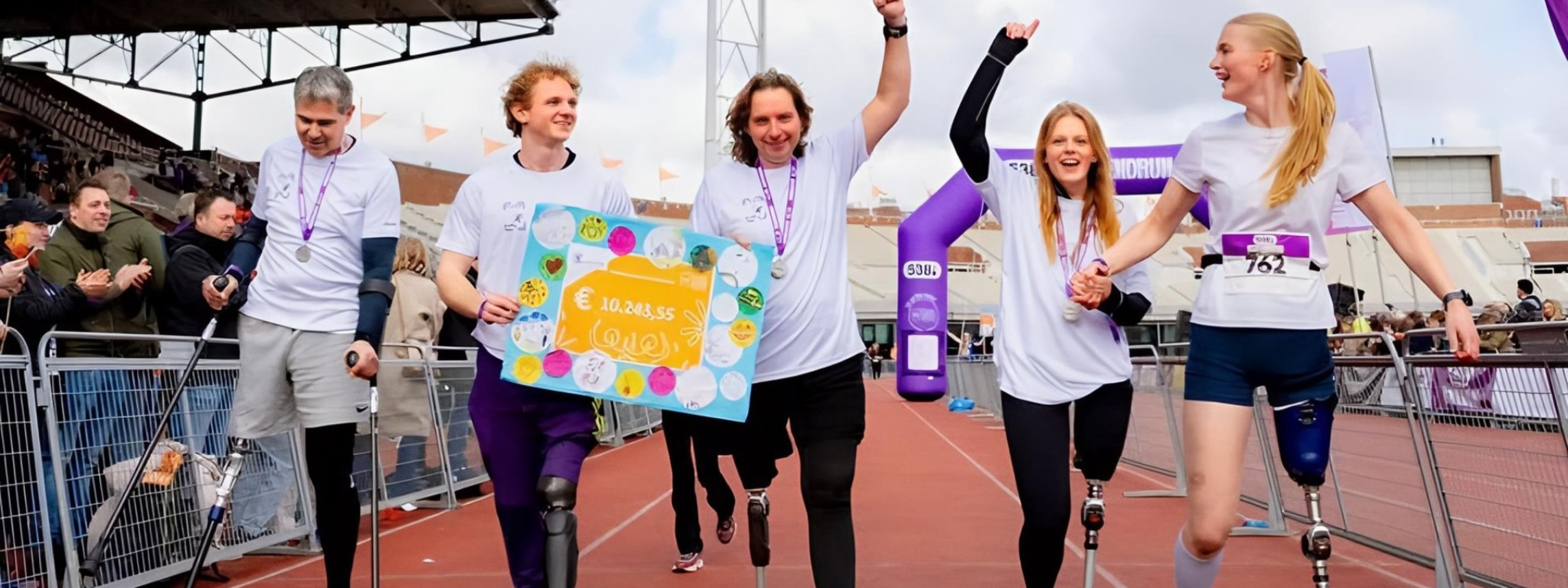
In the Netherlands alone, it is estimated that over 3,000 people undergo an amputation every year. That is no small thing—I know from experience. For many, it represents a painful decline in their quality of life. And that is exactly why awareness is so important.
Many people go through rehabilitation after their amputation and then return home, only to struggle with their equipment and feel like their capabilities are constantly shrinking. But it doesn’t have to be that way. This is where community becomes so important.
Connecting with others who truly understand—who have been through similar experiences—can completely change your perspective. It reminds you that you are not alone, and that what feels difficult or uncertain today can become manageable, and even empowering, over time.
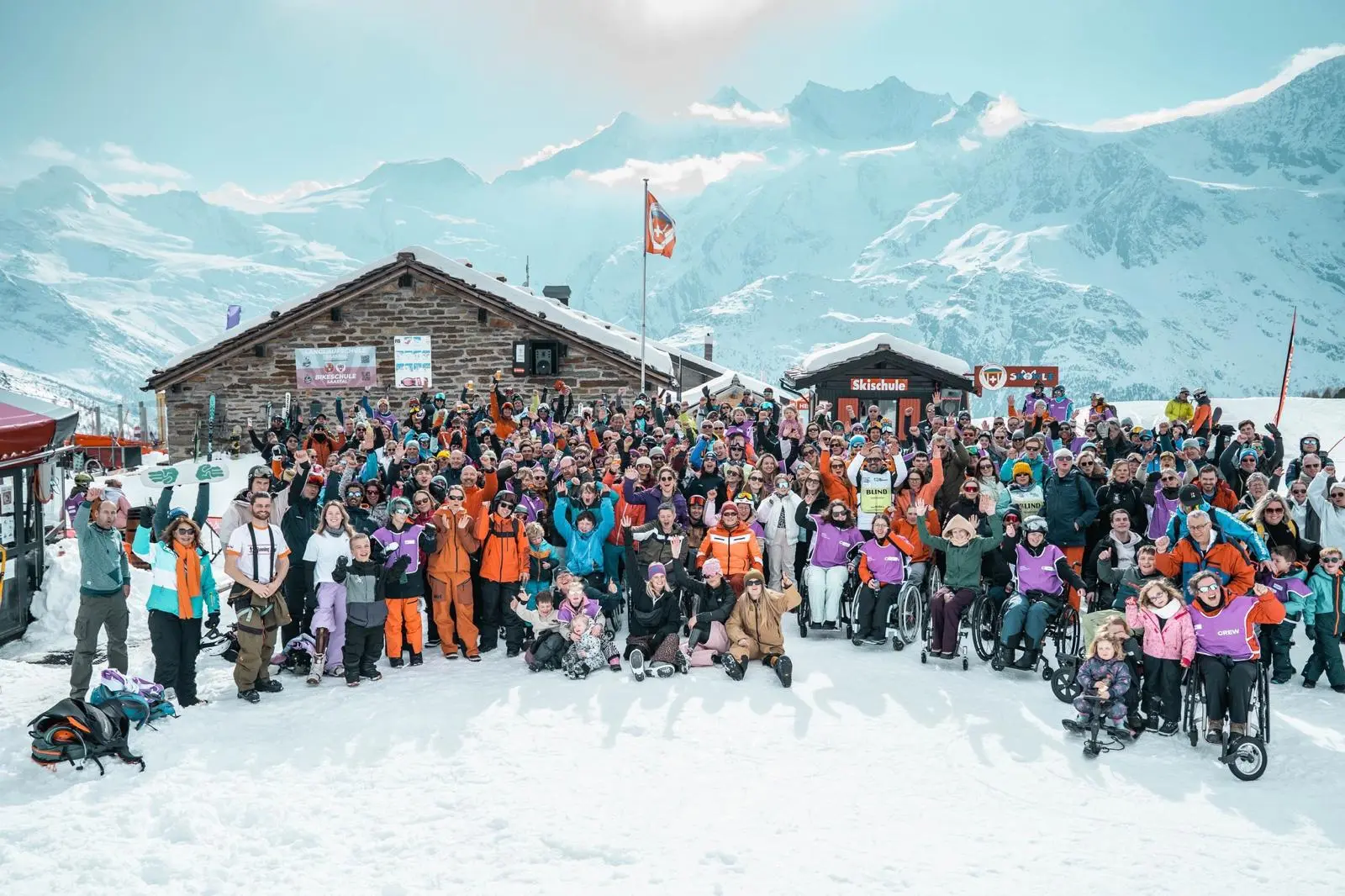
So much more is possible. Just look at everything the Bibian Mentel Foundation organises. I recently attended a ski week with around 240 people with disabilities and volunteers—all out on the slopes together, supporting each other, sharing experiences, and most importantly, having fun. It’s hard to explain the energy of something like that unless you’ve been there. You arrive perhaps unsure, and you leave feeling part of something much bigger.
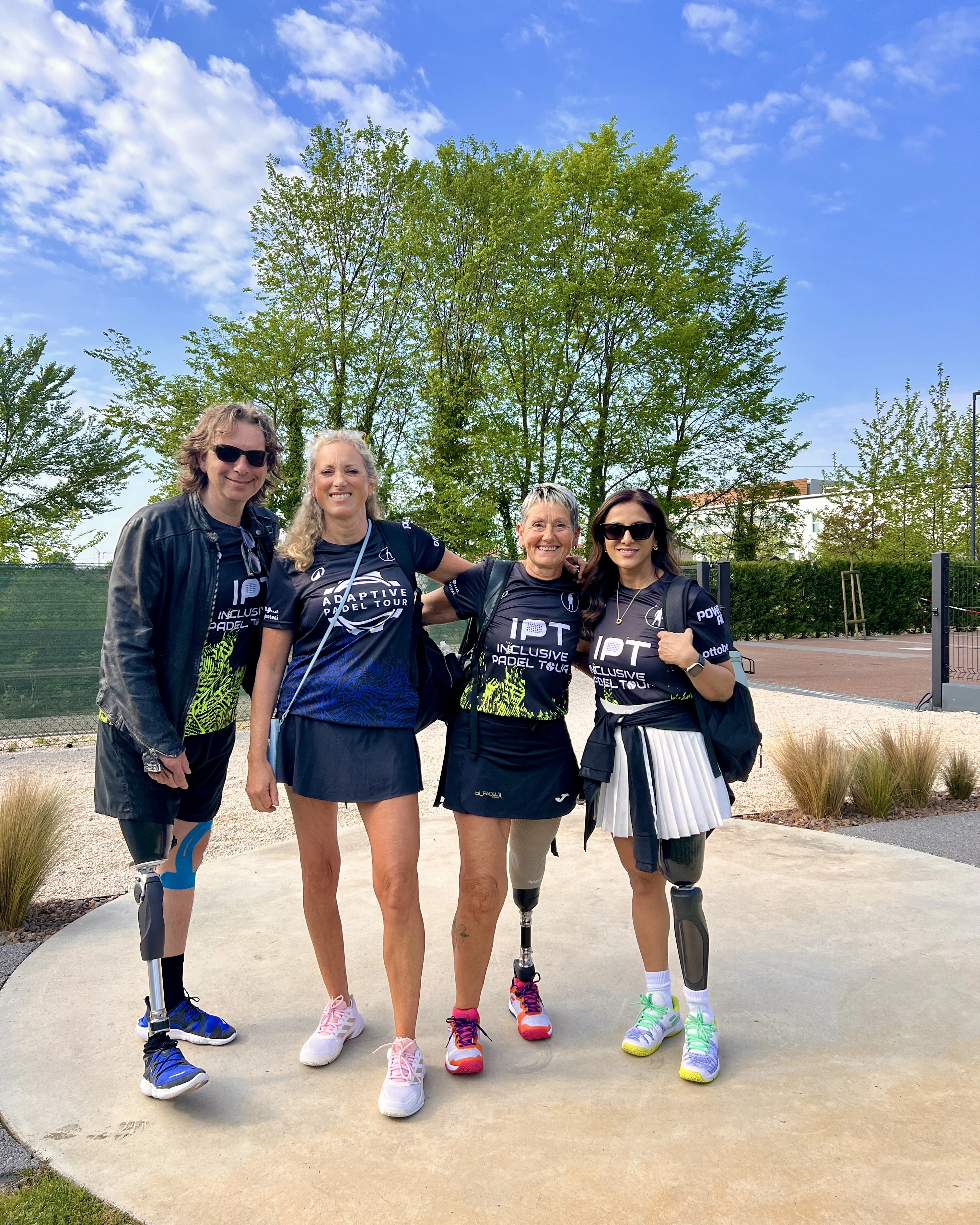
The same goes for the Inclusive Padel Tour. What starts as a sporting event quickly becomes about connection, laughter, and community. You meet people from different countries and backgrounds, all navigating their own journeys—yet on court, none of that matters. You play, you compete, you fall, you laugh, and you keep going.
The level of support and encouragement is something really special. Platforms like Movao are creating that same sense of connection on a global level—bringing people together to share experiences, ask questions, and support one another in a way that simply wasn’t possible before. The connections you make, the stories you hear, and the encouragement you receive can make a real difference—not just in how you move, but in how you feel.
Another example in the Netherlands is the patient federation “Shorter but Stronger” (“Korter Maar Krachtig”), with around 1,000 members. They offer information, support, and a strong sense of community for amputees.
So, as terrible as an amputation is, there are many possibilities. It really comes down to your perspective.
Before my amputation, we threw a farewell party for my uncooperative right leg. Of course, there were tears—but mostly there were a lot of bad jokes. I was given a wooden peg leg and a pirate hat. We served “leg ham” (beenham), “goat’s feet” biscuits (bokkepootjes), and gingerbread men with only one leg. There were speeches, laughter—and drinks.
Dealing with it that way was wonderful for me, but also for my family and friends, as the prospect was obviously difficult for them too.
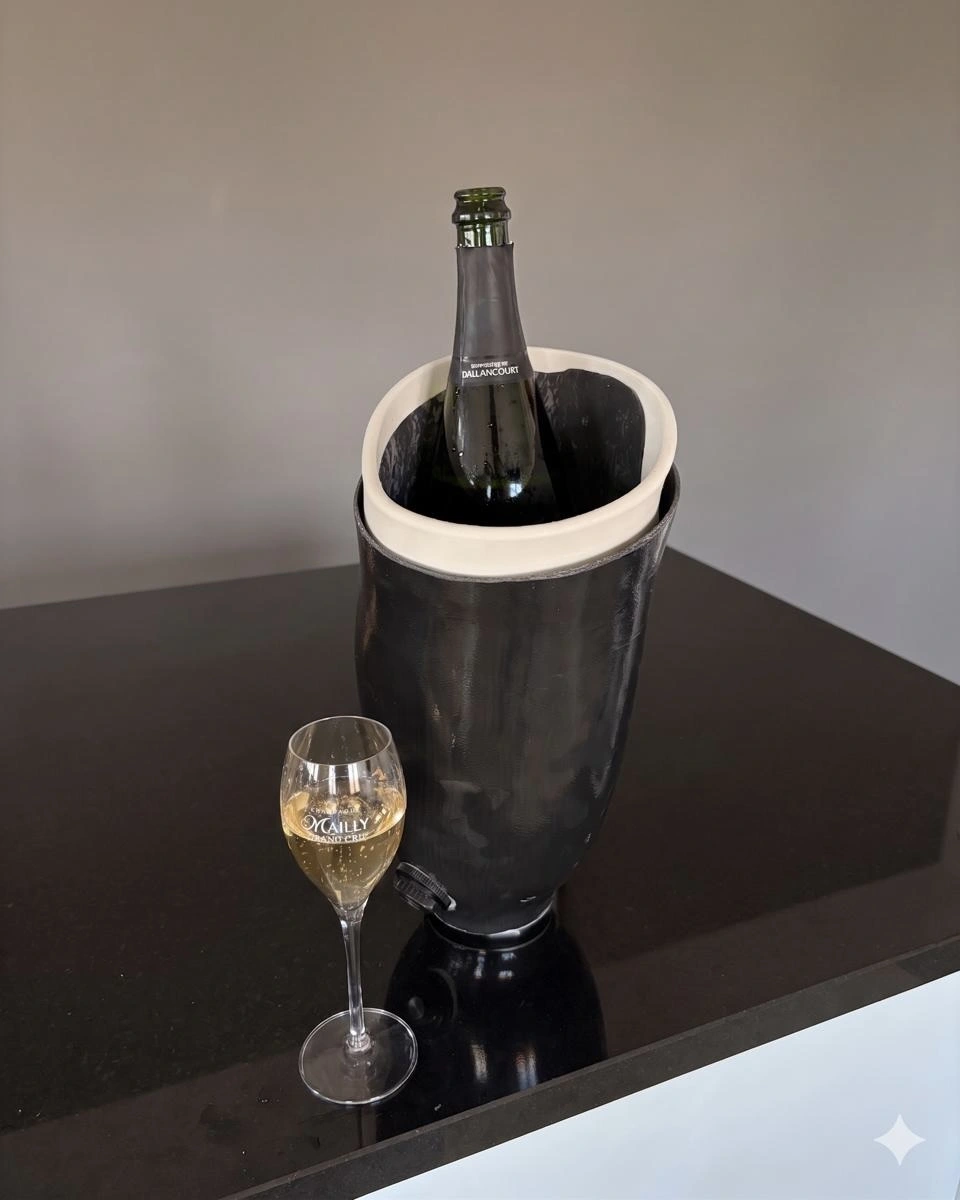
This year, we held a welcome party for my bionic legs. With the same family and friends, the same humour, and more speeches. We laughed and cried all over again. But above all, we celebrated life together—and even used my old prosthetic sockets as champagne coolers.
What is my point? That life doesn’t end after an amputation. So much is still possible. It might require some adjustment, but it is rarely insurmountable. I believe it is healing to acknowledge it openly with friends and family—and to laugh about it, no matter how serious it is. Not to laugh the pain away, but to see the humour in the situation.
For instance, last week I was in Venice to play in the Inclusive Padel Tour. Naturally, I went into the city. I arrived by train, walked out of the station, down the stairs—and fell flat on my face in front of hundreds of tourists.
Helpful people quickly rushed to pick me up, but I’m pretty sure I’m starring in quite a few TikTok videos now!
I had also taken a tumble during padel, landing on my prosthesis and knocking the protective cover off the knee. One of the other players said, “I can fix that!” He took off his own prosthetic lower leg and started using it to hammer my knee back into place. Amputee humour.
Because that’s part of it too. Falling happens. Adjusting happens. And somehow, so does laughing.
Sharing these moments with your loved ones, exchanging stories, and being open about it helps them understand the reality of daily life—the challenges, but also the possibilities. It brings people closer, and it changes how they see what you are capable of.
So what is my point? That life doesn’t stop after an amputation. It changes, yes—but it can still be full, active, and meaningful.
Sometimes it takes time.
Sometimes it takes support.
And often, it takes a shift in perspective.
Because across the world, there are so many of us navigating this journey—each in our own way. But you don’t have to do it alone.
Words by: Movao Champion: Chris Kunkeler