
Celebrating 50 years of wheelchair tennis and the transformative power of adaptive sports
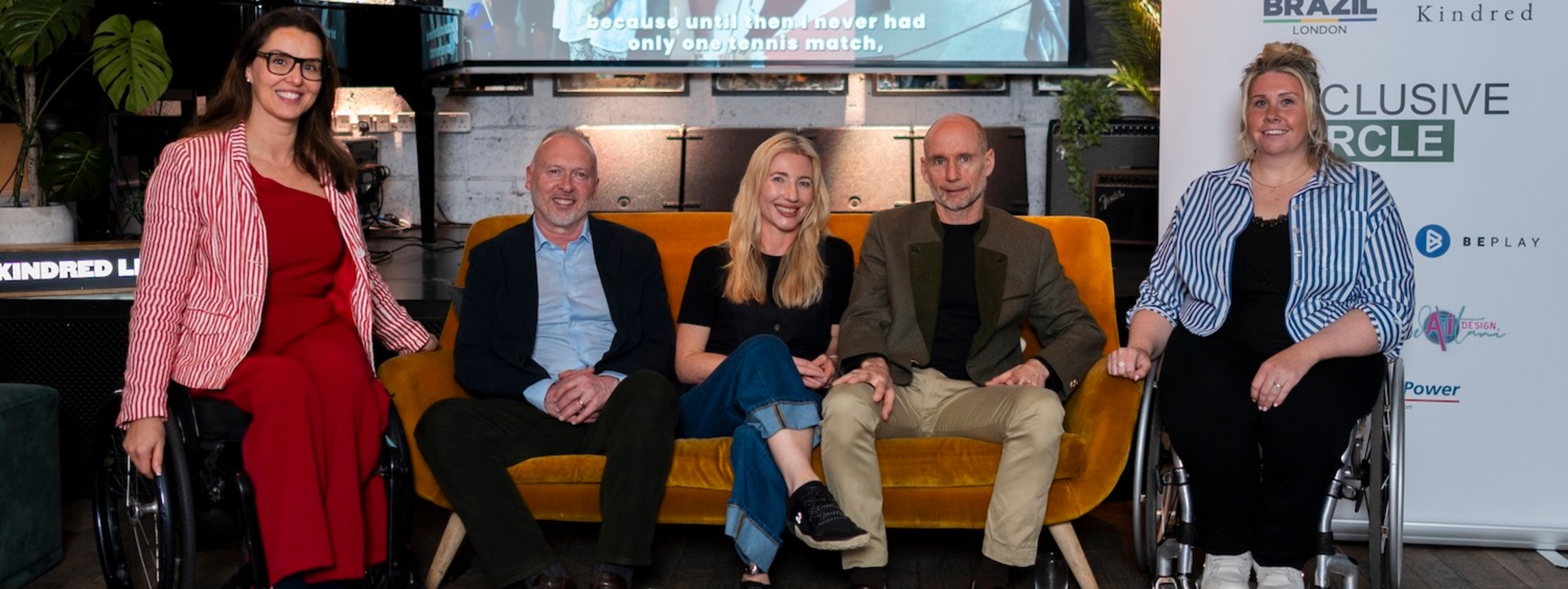
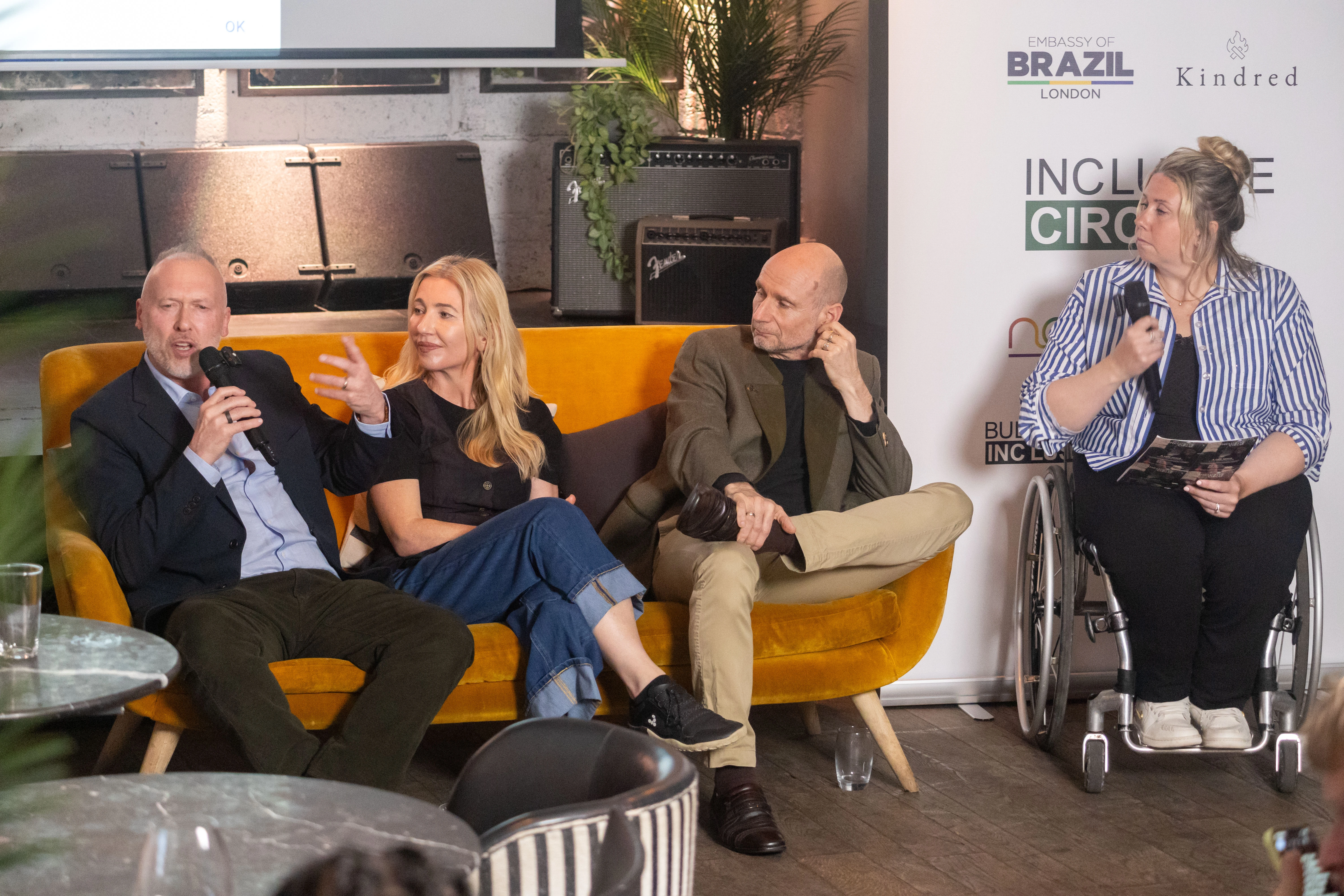
Recently, I was invited to join Inclusive Circle, a live in-person panel discussion celebrating 50 years of wheelchair tennis and exploring the power of adaptive sport, movement, and inclusion. It felt a real honour to be part of such an important conversation and to share my own journey of living with a limb difference, finding confidence, and rediscovering movement through adaptive fitness and sport.
The event brought together a range of voices, starting with Louise Hunt, former Paralympian wheelchair tennis player, BBC broadcaster, and author of What’s Wrong With You?, who guided the discussion with warmth, honesty, and lived experience. I appreciated her openness, and although our stories are different, I connected with her journey of finding strength and inner power through meeting Samantha Bullock and, for myself, seeing others like me on mainstream TV and social media.
Also joining us on the panel were Mark Bullock from Bullock Inclusion, a driving force for inclusivity at The Championships, Wimbledon, and Dave Sibley from Zumba Fitness, one of the sponsors and passionate about learning how to create more inclusive opportunities within the Zumba community.
Mark’s experiences at Wimbledon highlighted just how far wheelchair tennis and para-standing tennis have come. During his presentation, he showed an advert featuring wheelchair and non-disabled tennis players competing together, and I found it really liberating — a beautiful vision of sport bringing everyone together as one.
What struck me most throughout the evening was how much brilliant progress has been made, yet how much more remains to be done. Mark’s reflections on the 50-year history of wheelchair tennis were a powerful reminder of what visibility can achieve. Seeing the sport on iconic stages such as Wimbledon has helped challenge outdated perceptions, inspire younger generations, and show the world that disability sport belongs firmly in the mainstream.
Listening to everyone speak also made me reflect on my own childhood. Growing up in the 80s and 90s, opportunities in sport often felt non-existent. During my teenage years, with the insecurities that can come from feeling different, Physical Education became extremely challenging for me. There were no real adaptations, no clear pathways, and no sense that sport could belong to someone like me — so eventually, I stepped away from it.
That contrast is why conversations like this matter so much. Looking back, it means a lot to now be able to share positive experiences of sport. From women’s amputee football to discovering padel, movement has become something empowering and joyful in my adult life, while also helping raise awareness for younger generations coming through.
Padel, in particular, has been a game-changer for me. With its second-bounce adaptation, similar to para tennis, which I hope to try soon, I can play with non-disabled players without feeling like the weaker link or needing special treatment. For me, true inclusion means creating environments where everyone can participate together, naturally.
At the same time, the evening was an honest reminder that inclusion must work for everyone. Louise spoke about recently being invited to play padel, only to find the court entrance was not wide enough for wheelchair access. Moments like that show how barriers still exist — from inaccessible venues, to lack of confidence, funding challenges, and limited opportunities for disabled people to get involved.
Despite these obstacles, the evening left me with a real sense of hope. We all shared a belief that the future of sport should be more connected — not separated into different worlds. It is a future where disabled and non-disabled sport is valued side by side, where adaptations are embraced, and where the next generation grows up believing that movement belongs to them too.
After the panel, I also caught up with Samantha Bullock to hear more about her own journey and the mission behind Bullock Inclusion.
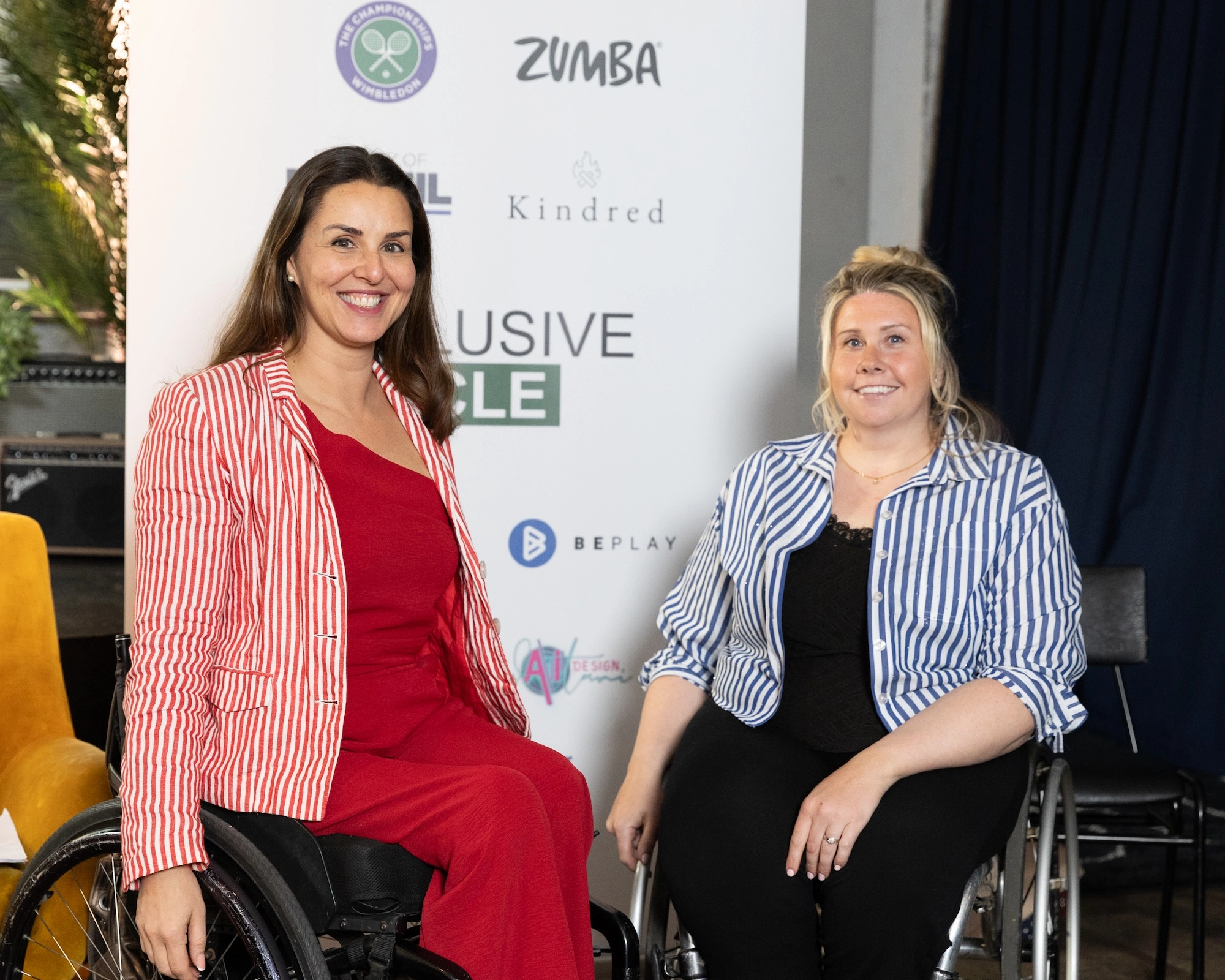
Could you share a little about your story and your journey as a wheelchair tennis Paralympian?
“My journey in sport has been incredible. As a wheelchair tennis player, I won a doubles silver medal at the 2007 ParaPan American Games and competed in three World Championships representing Brazil.
Sport gave me so much. It gave me discipline, resilience, and a platform. It also shaped how I see the world and how I approach challenges. Everything I have gone on to do in my career and advocacy for inclusion has been influenced by what sport taught me.”
What inspired you to start Bullock Inclusion, and what is the mission behind it?
“Bullock Inclusion is a Community Interest Company that brings together all the social projects we lead around inclusion, representation, and accessibility.
One of the most visible parts of our work is Future of Fashion, our inclusive fashion show presented during London Fashion Week. It challenges the way the fashion industry sees beauty, bodies, and talent. Our message is simple: fashion should reflect the real world.
This year, we are taking it even further with Future of Fashion New York, connected with the United Nations. It shows that accessibility and diversity are not niche conversations — they are global ones.
Everything we do through Bullock Inclusion shares the same message: there is space for everyone. Inclusion should not be an afterthought. It should be part of the foundation.”
Why are inclusion and representation so important, and what do you hope your work will help change in people’s mindsets?
“Simply put, because it is the right thing to do. We do not always need a business case or a report to explain why every human being deserves to be seen, represented, and included.
When people do not see themselves reflected in the world around them, it sends a message that they do not belong. That can be deeply damaging.
I want people to stop seeing disability as something to hide or simply accommodate. Instead, it should be recognised, celebrated, and centred. Because once people truly understand that, real change begins.”
Samantha’s perspective reinforced the wider themes of visibility, belonging, and action that ran throughout the evening.
For me, conversations like this remind us how far we have come, while challenging us to keep pushing for a world where inclusion is not the exception, but the standard.
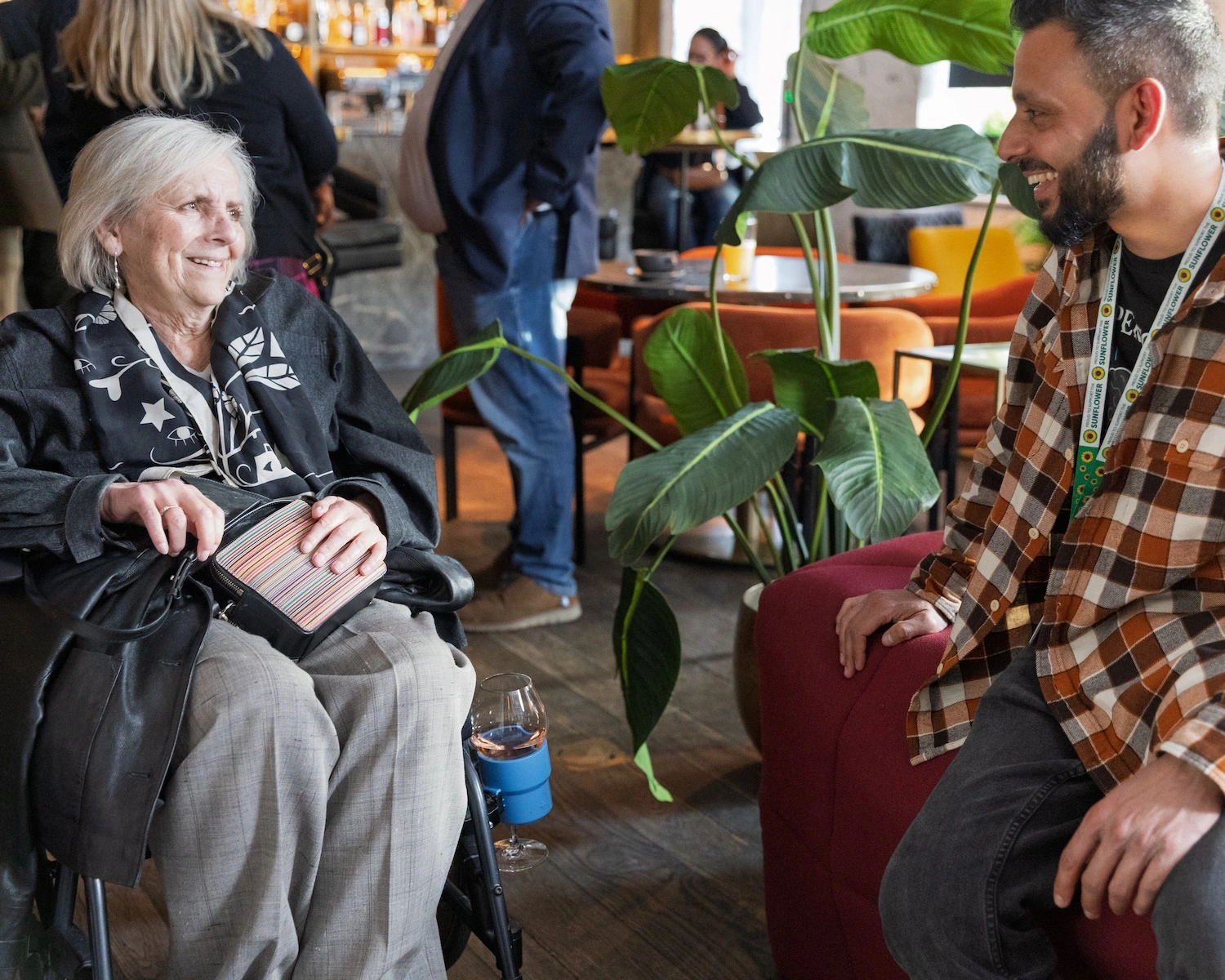
If you’d like to find out more about Bullock Inclusion, join the audience at a future Inclusive Circle event or experience the Future of Fashion catwalk show in New York or London, visit https://www.bullockinclusion.co.uk/
Photos by: @Ruthvirgophoto