A champion's experience at the para-athletics championships
India proudly took to the global stage as it hosted the New Delhi Para-Athletics Championships for the first time — a landmark moment for the country and for the world of disability sport. Para-athletes from around the globe delivered top-class performances, showcasing what is possible and opening new opportunities and pathways for inclusion in para-sport. With 15 medals — six gold, five silver, and four bronze — India secured an impressive fourth place on the medal table.
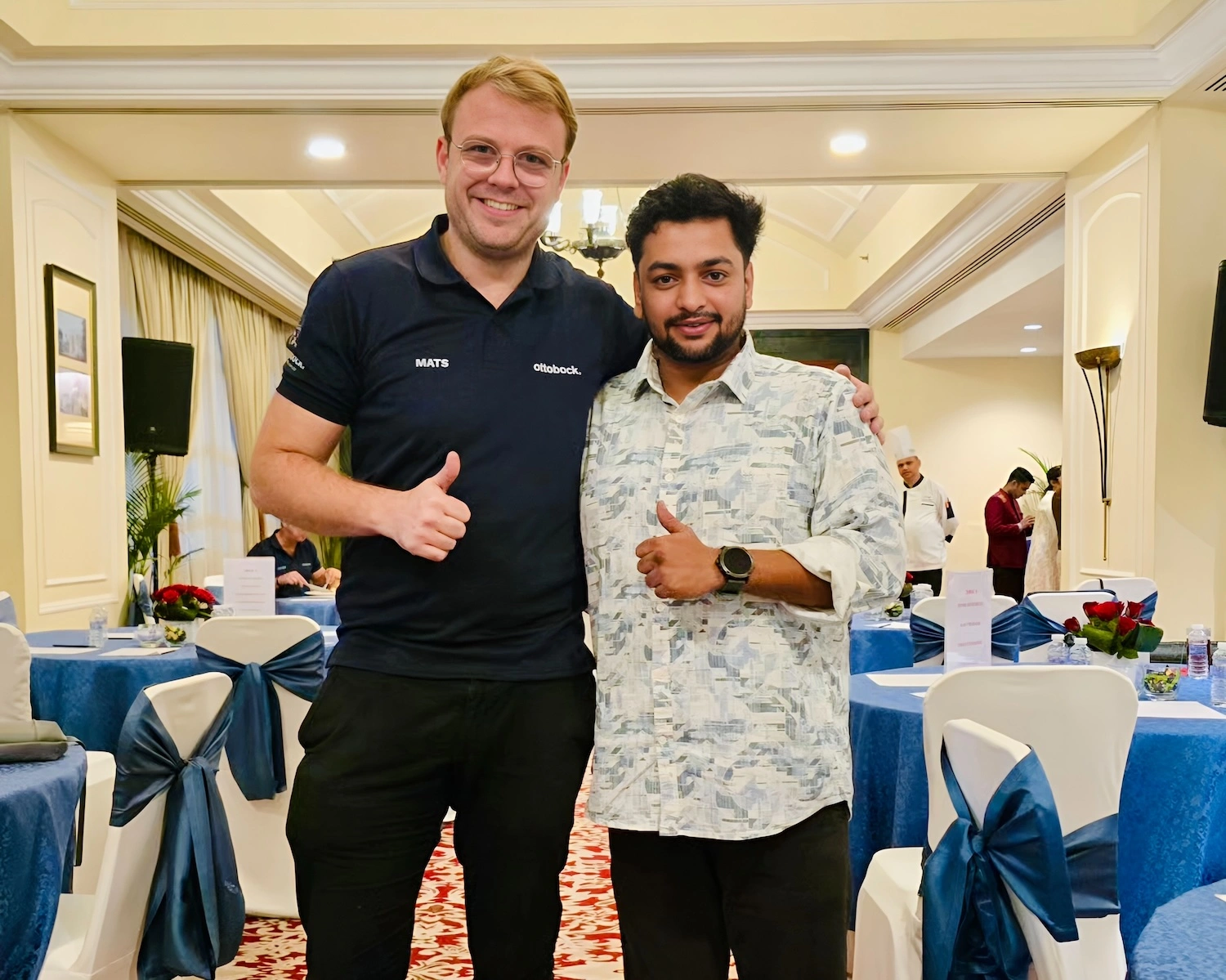
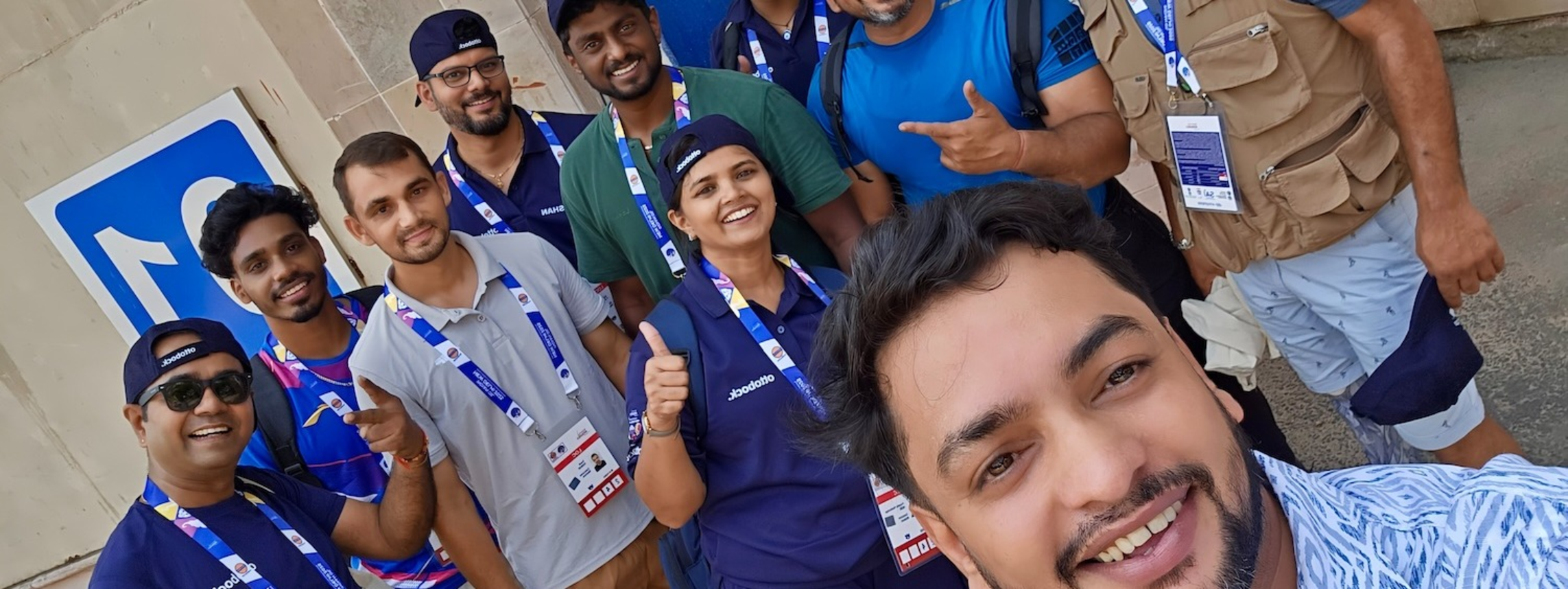
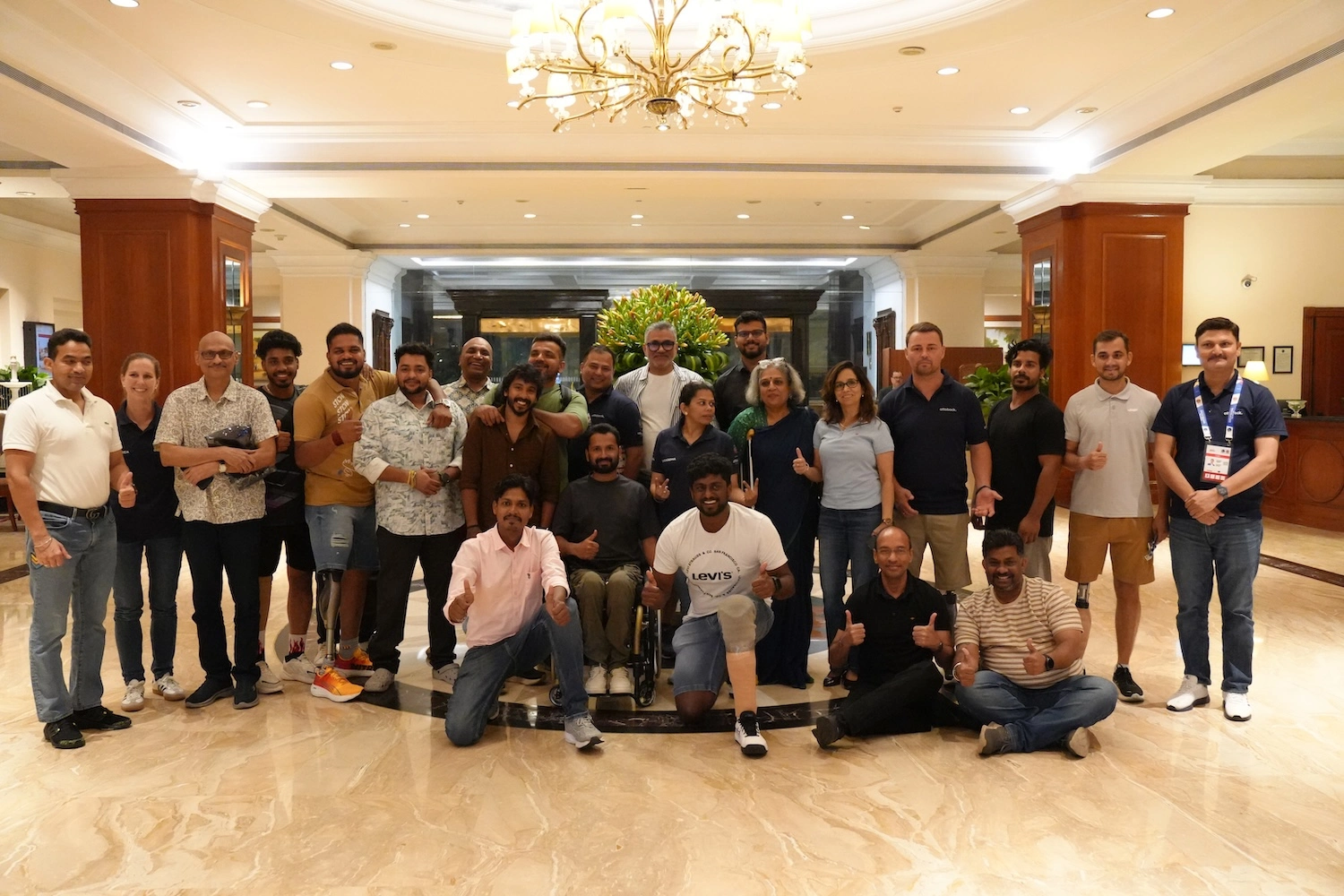
But beyond the medals and competition, another story unfolded — one of connection, courage, and community spirit. Ottobock India invited a group of champions from the amputee community to experience an unforgettable day of connection and an opportunity to watch the Games in person. These individuals, champions from all walks of life, came together for a memorable experience day that included sightseeing, watching the Games in the stadium, a tour of the Ottobock wheelchair experience zone, and an evening dinner where stories were shared.
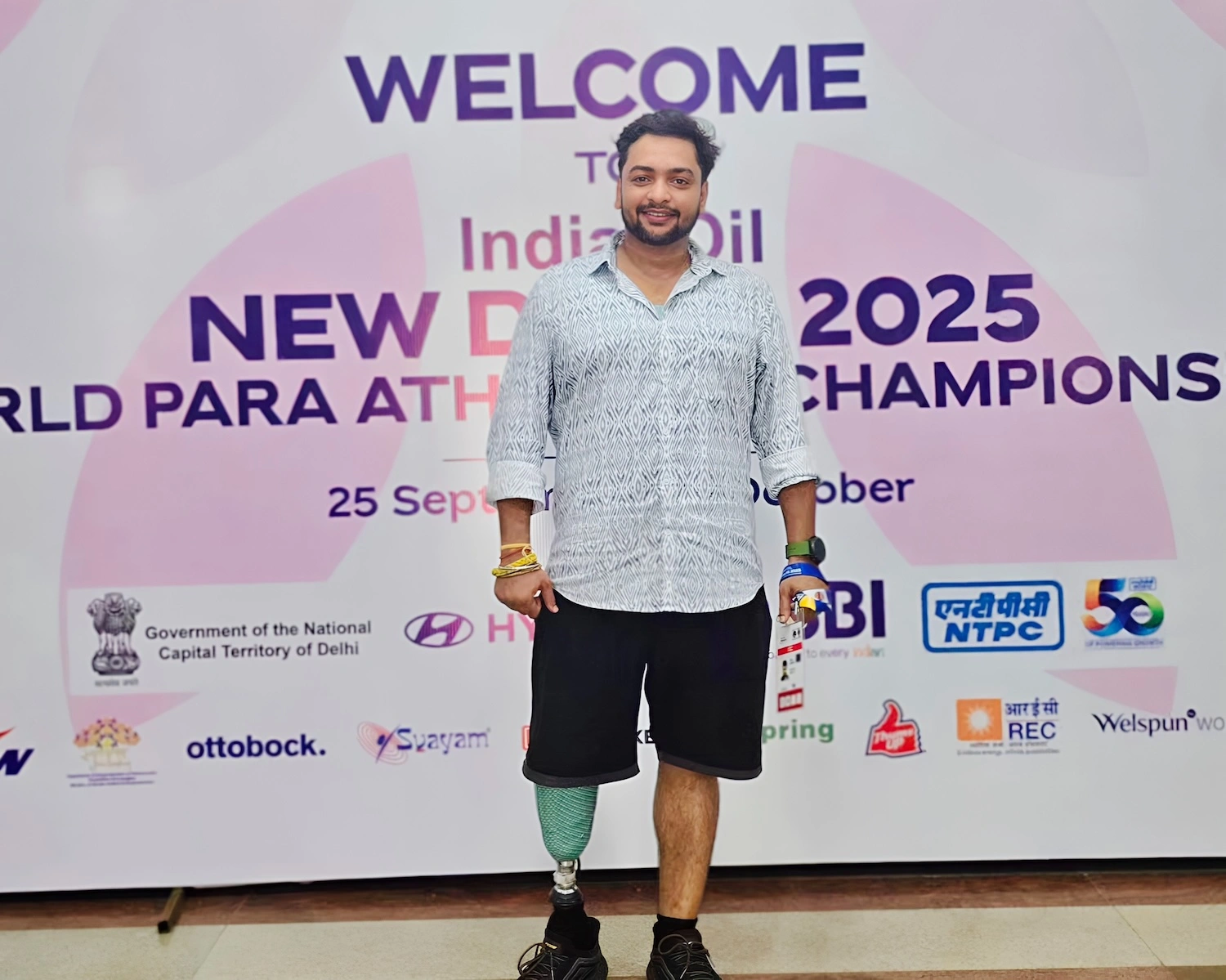
Among the group was Shivam Sharma, a below-knee amputee whose reflections truly captured why amputee communities are so important for the people living within them. He shared his honest opinions and pride in his involvement.
"Walking into that stadium was electric," Shivam said. "As someone with a disability, there are many days when you feel like you need to adapt to the world around you — but that day, it felt like the world was celebrating us. Surrounded by incredible athletes, I felt pride, belonging, and sheer admiration for what the human body and spirit can achieve."
The energy of the Games wasn't just about uniting to celebrate para-sport; it was one of camaraderie and social connection.
"That sense of togetherness was everything," Shivam shared. "Ottobock created a space that instantly erased any feeling of being different, where we were all united by our experiences and a common goal of moving forward. You didn't have to explain your limb loss or struggles — everyone just gets it. It felt like finding a large, loving extended family where you are accepted 100% for who you are."
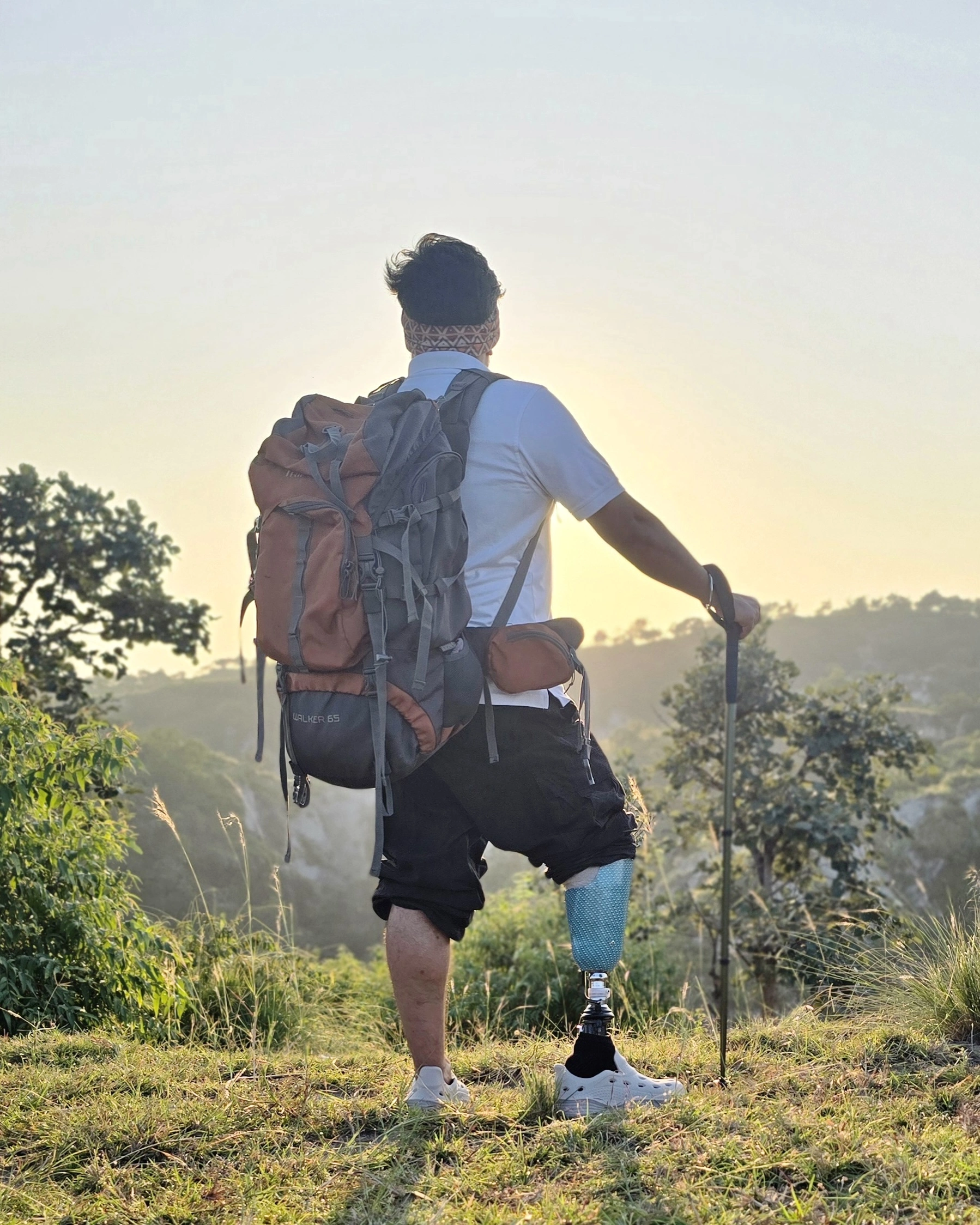
"Sporting events like this," he says, "Play a crucial role in reshaping the public's perception of people with disabilities. They shift focus away from the word 'disability' and highlight phenomenal ability. For the wider world, it's an eye-opening education, and for the disabled community, it builds essential networks and mutual support. When people witness these incredible athletes, it shatters the old, limiting stereotypes. It shows what's truly possible."
During dinner, Shivam explained how meeting other amputees who are walking the same path and facing similar challenges reinforced a strong sense of camaraderie.
"We spent time sharing stories, laughing, and swapping life hacks about using prosthetics in daily life," Shivam recalled. "It was such a joyful, validating experience. Just knowing that so many others face similar challenges and still do amazing things gave me a huge mental boost."
When asked to sum up the entire experience in three words, Shivam didn't hesitate: "Inspiring. Connected. Unstoppable."
Yet Shivam's reflections also shine a spotlight on the everyday challenges amputees across India still face.
"One of the biggest," he said, "is the financial barrier to accessing life-changing prosthetics — technology that can transform lives but remains out of reach for most people. Until subsidies or comprehensive insurance coverage improve, the best technology remains inaccessible."
Then there's the issue of accessibility itself. Much of India's infrastructure — from public transportation to pavements and buildings — isn't designed with people with disabilities in mind.
"Simple things like boarding a bus or navigating a busy street can become an exhausting obstacle course," Shivam said.
And beyond the physical barriers, he explains how societal misconceptions are even more ingrained.
"There's still a strong societal stigma that impacts opportunities, particularly in employment," he added. "This lack of awareness and the persistent view of disability as a limitation make navigating the professional and social world much harder."
He believes that real inclusion will only come when those three areas — technology, accessibility, and awareness — finally move forward together.
"Until we make prosthetic technology more affordable, improve public accessibility, and challenge societal bias, many will continue to be excluded."
But what Shivam took home from Delhi most of all was a feeling of love and positivity.
"Socialising with the other champions on this unforgettable experience, I realised I hadn't thought about being an amputee all evening — I was just Shivam, one among many, enjoying the moment. That sense of total freedom and inclusion, and not being defined by my difference, is something I'll never forget."