
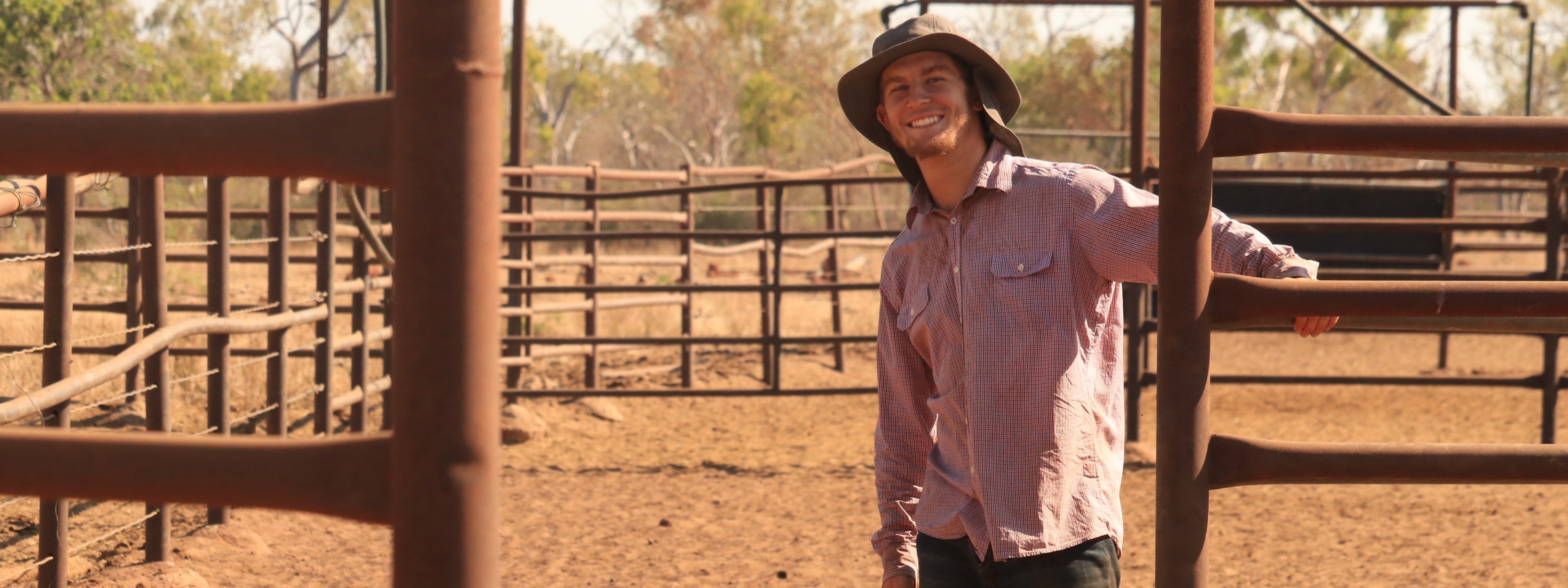
Losing my arm in the Australian outback
In this episode of Movao LIVE, I talk to Henry Dunn about the accident that altered his life forever when his left arm was crushed while working as a Jackaroo on a remote cattle station deep in the Australian Outback.
“I saw my arm completely crushed, and I let out a horrific panic scream. It was like something out of a horror movie. My first thought was to stop the bleeding, so I grabbed an old t-shirt from the Ute and tied a tourniquet. My adrenaline just went through the roof! I was wired solely for survival.” - Henry Dunn.
Continue reading the interview with Henry Dunn or watch the full, unedited version on YouTube.
Henry’s journey began as the world emerged from the grips of the COVID-19 pandemic. With newfound freedom, he and his childhood sweetheart, Becca, embarked on their long-awaited travels around the globe. “We booked the first flight to Thailand as soon as the borders opened. We spent a month exploring Vietnam, Cambodia, and Bali, followed by two months in New Zealand,” he reminisces. After enduring months of lockdowns, they were determined to make up for lost time. “We jumped headfirst into new experiences—scuba diving, bungee jumping, skydiving, and motorbiking through North Vietnam. We also took campervan trips through New Zealand’s South Island, seizing every opportunity to live life to the fullest.” Their exhilarating final leg together took them along Australia’s East Coast.
Life in the Aussie Wild, Wild West:
When it was time for Becca to return home, Henry felt an undeniable urge to stay. “I wasn’t obligated to return to England like Becca, so I chose to remain and work as a jackaroo on a cattle station.” This decision led him to Larrimah, one of Australia’s most remote towns, with a tiny population of just eleven residents.
“It used to be twelve,” Henry shares, providing some fascinating context. “Larrimah is known for three main things: it has one of Australia’s smallest populations, it gained attention from the Netflix documentary Lost in Larrimah, which explored the mysterious disappearance of a local man and his dog, and then there’s me—the British backpacker who had his arm crushed on a cattle station.”
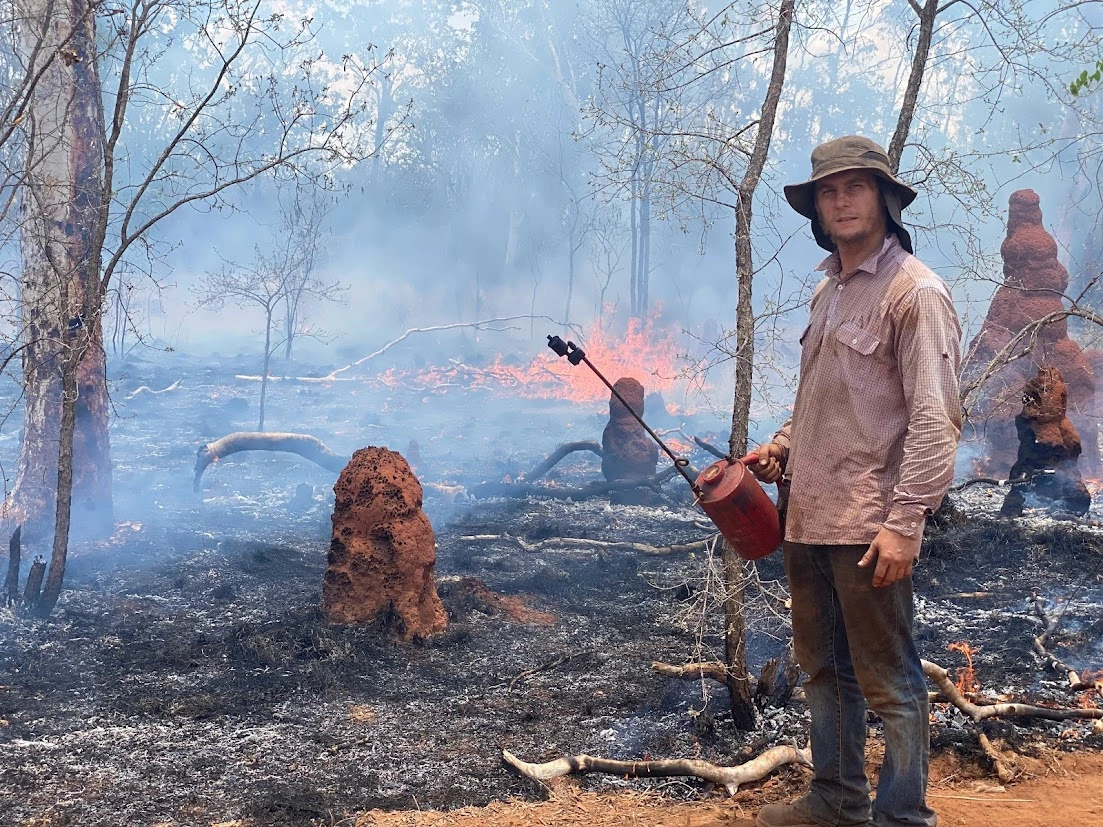
Henry describes life in Larrimah as a throwback to the 1960s. The Northern Territory is a vast, dangerous landscape that offers both beauty and threats. “I worked with about 15,000 cattle—branding, drafting, and battling bushfires. Each day brought new adventures and immense responsibilities. It was physically and mentally demanding, but I embraced every moment and loved it.”
He quickly adapted to the challenges of the Outback, becoming accustomed to station life, which included pulling pythons from water troughs, attending to the cattle, and remaining ever-vigilant against raging bushfires. “When the smoke filled the air, the danger was close, and waking up to the smell of smoke was the worst sign; it meant bushfires. Once, we fought a bushfire for three days straight, with food delivered to us! Life on a cattle station isn’t for the faint-hearted.”
The Day of the Accident:
In Henry’s final week at the station, fate intervened during what was supposed to be routine maintenance jobs, such as repairing fences, gateways and posts. He explained the equipment needed for this was heavy duty: “We used a hydraulic post rammer attached to a tractor, elevating a weight of 185 kilograms to hammer in stainless steel posts.”
While measuring a distance of three meters, Henry placed his arm over one of the posts. After signalling the tractor to go, he describes what happened next: “It should’ve raised the hydraulic post rammer and cleared, but instead, it came crashing down. Bang. I saw my arm completely destroyed and let off a horrific scream which still haunts me to this day.”
Fueled by adrenaline and wired purely for survival, Henry acted fast, saving his life. “My biggest fear was blood loss and losing consciousness. I tied a tourniquet using an old T-shirt, and my mate pulled it tight above the fresh skin. All I could think was that we needed to get to a hospital fast, but the closest was 500- kilometres away in Darwin.
The Rescue Mission:
The frantic search for help began. First, they tried to reach the homestead but encountered silence. Faced with limited options, they sped down the Stuart Highway toward the Pink Panther pub in Larrimah. “We screamed from the Ute, but they couldn’t see the dire situation—only our faces. It wasn’t until they got closer that they witnessed the severity of my injury and called for an ambulance,” Henry recalls.
After what felt like an eternity, the ambulance finally arrived; however, the ordeal was far from over. They still needed to travel an hour to the air ambulance, which would take them on a 500-kilometre flight to Darwin Hospital. On arrival, they waited another hour for the helicopter to arrive. To complicate matters, it was tropical season. “We were right in the middle of a storm,” he remembers, still feeling the adrenaline of that moment. “After an hour’s flight, we had to make an emergency landing to refuel. Then the storm grounded us again—a red light prevented takeoff.”
As Henry describes his experience, I can envision the chaos unfolding around him. “It was terrifying. We only had a twenty-minute window to take off before the storm worsened. After they injected me with ketamine, I remember the helicopter getting louder and louder. Then, breaking through the clouds—it was pure relief. We had beaten the storm!” He recalls the sight of the sunset over the Outback as they approached Darwin. “There were so many emotions. It was finally peaceful after such terror.” Eight hours after the accident, Henry finally reached the hospital, where emergency surgery resulted in the amputation of his arm.
Recovery and Rehabilitation
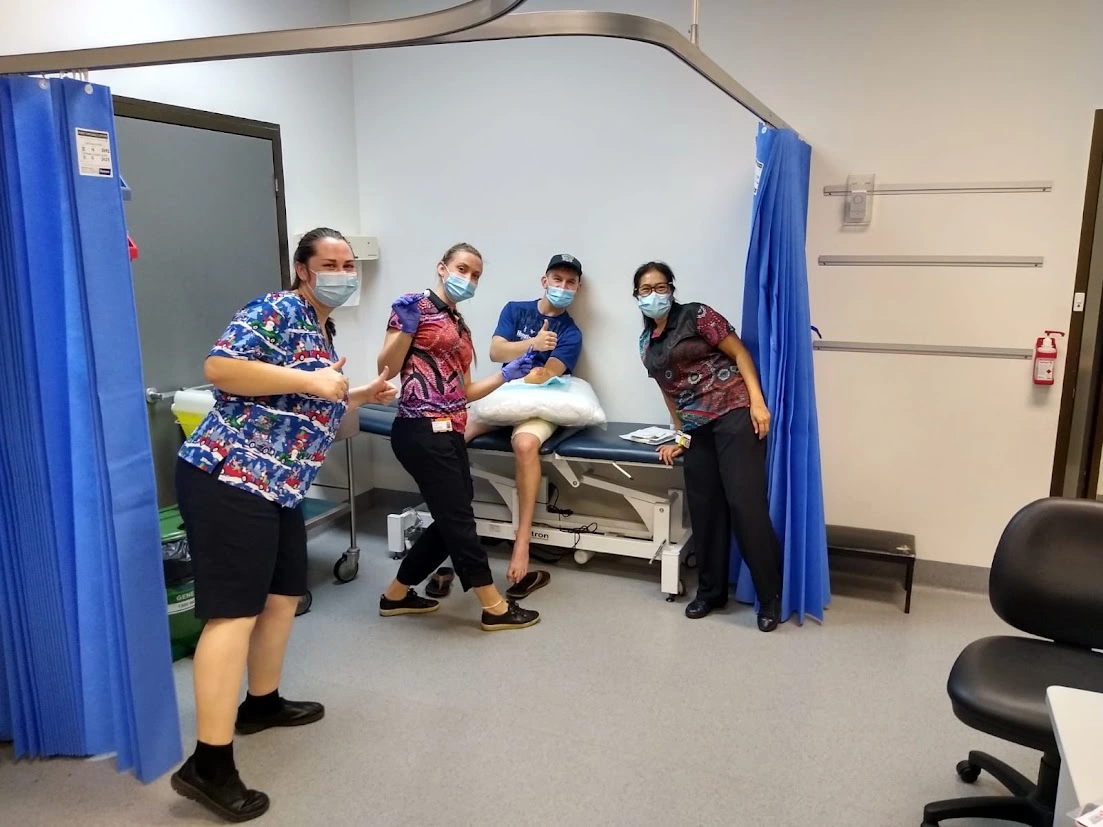
Waking up from surgery, Henry wasn’t surprised by the news of the amputation. “Deep down, I instinctively knew I was going to lose my arm because the sight of it was utterly crushed beyond repair. No top surgeon in the world could have saved my arm.”
Henry reflects on returning home and facing Becca and his family as a new amputee. “Coming back was really hard. In Australia, I was in a safety bubble with all the support I needed. But that’s not the real world. When I returned to England, I found myself back in my room and old routines—only everything was different.”
Living without his arm introduced a series of new frustrations. “Getting dressed, washing myself, even making my bed all became an epic challenge,” he explains after the thrill of what he describes as the peak year of his life, returning to the dark days of winter made adjusting especially difficult. Henry emphasizes the importance of quickly diving into recovery mode to foster both his mental and physical healing.
Dealing with PTSD Symptoms
Anyone who has gone through a traumatic event like Henry’s faces challenges in the aftermath. He openly shares his experiences with PTSD. “The symptoms of PTSD began to creep in whenever I found myself in an unfamiliar environment or when I felt unsettled, usually manifesting as nightmares and flashbacks.
Interestingly, my dreams weren’t about my experience at the cattle station or the accident. Instead, they involved horrific events happening to my friends and family- the people I love most.” Certain places often transported Henry back to that fateful day at the cattle station; for instance, the smell of cows in the fields would trigger powerful memories. Through his psychotherapy sessions, which he still has today, Henry has discovered many new ways to combat his PTSD and keep it at bay.
Discovering Cold Water Therapy
In his quest for relief from intense flashbacks, Henry discovered the remarkable benefits of cold water therapy. "I’ve read Wim Hof’s books and researched the advantages of this therapy, which is excellent for channelling trauma and negative energy. Until you experience it, it's hard to articulate the benefits to others. The shock of the cold water forces me to be present in the moment, allowing me to reset and regain a sense of control. Ice baths became a pivotal part of my recovery, providing relief during those first six months, and I still include them in my health routine today. As a result, I sleep better, am more disciplined, and focus more on my rehabilitation and recovery. I advocate for the incredible benefits of cold water therapy to anyone overcoming difficult times."
Adaptive CrossFit
Fast forward to today, Henry has successfully overcome numerous hurdles and challenges. He has taken on the remarkable sport of Adaptive CrossFit and is now ranked sixth in the world championships, an incredible achievement. “I began my rehabilitation in a CrossFit gym because it was the most accessible option in my area. For those unfamiliar with CrossFit, it is one of the best fitness approaches available due to its low barriers to entry. The exercise movements can be easily adapted, making it accessible for individuals regardless of their disabilities or age.”
When Henry met his coach for the first time, he asked, “Have you ever worked with an amputee?” The coach replied, “No, but it’s really no different. We can modify things, and with hard work and commitment, you will start making progress.” This conversation began an incredible 18-month journey filled with CrossFit training together. Henry hasn’t looked back since and is now training diligently for the next world championships.
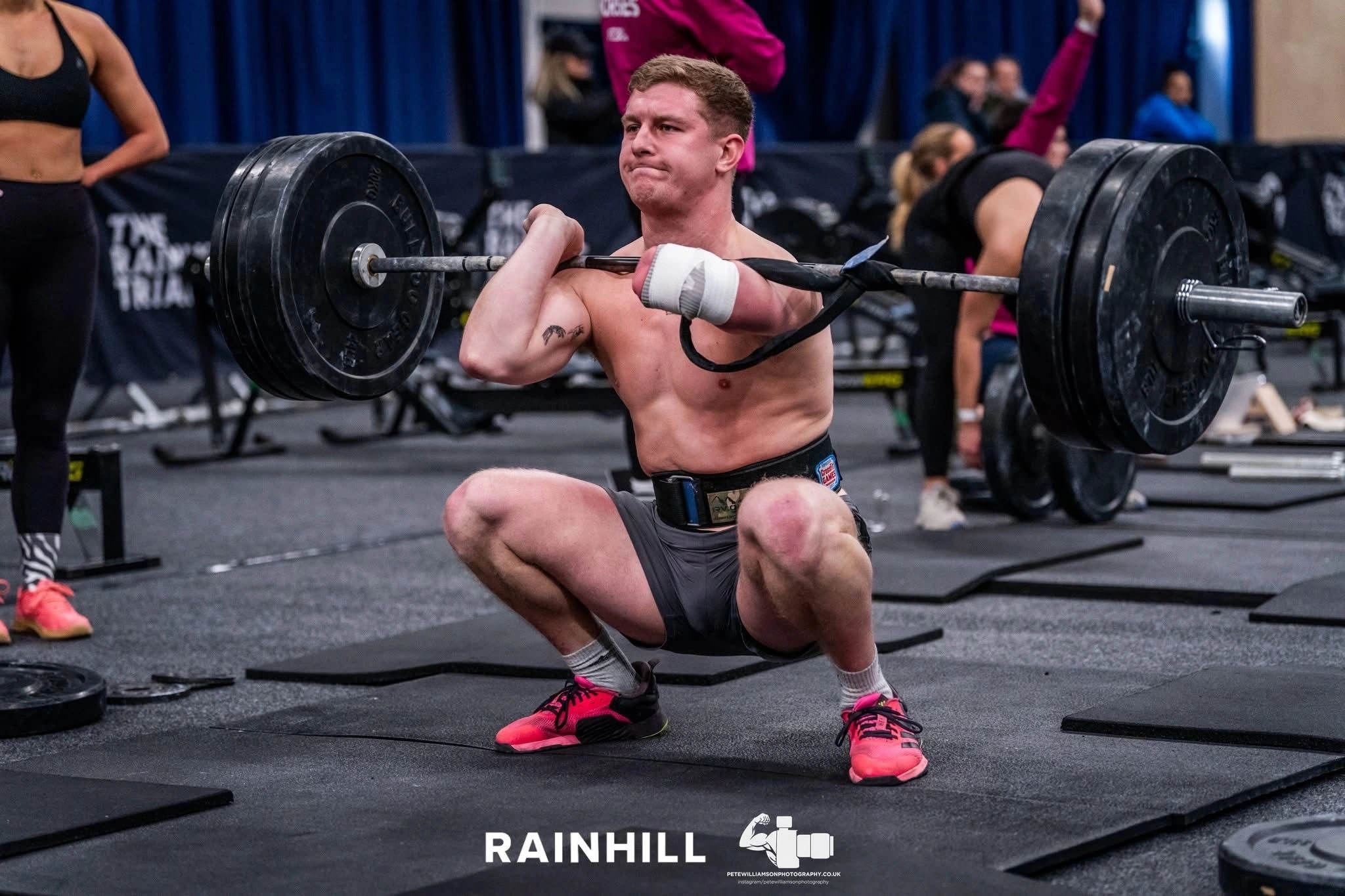
Henry highlights the strength of human resilience through his keynote presentations and shares his life story. While each person’s journey is unique, he inspires others by demonstrating that anyone can find their path to healing and growth after experiencing trauma.
To connect with Henry, follow him on Instagram (here) or reach out through his website: Life in My Own Hand.