
Exploring Berlin: Marcus and Rebecca Navigating Daily Barriers and Unofficial Disciplines
by Rebecca Legon
The Paralympics is an incredible showcase of strength and determination, with athletes competing in 23 official disciplines. But have you heard about the 24th
discipline? It's not on the track or the courts — Ottobock launched the "Unofficial Discipline" to represent the daily challenges people with disabilities face. These are the invisible barriers that most people without a disability overlook but that are a constant hurdle in our lives.
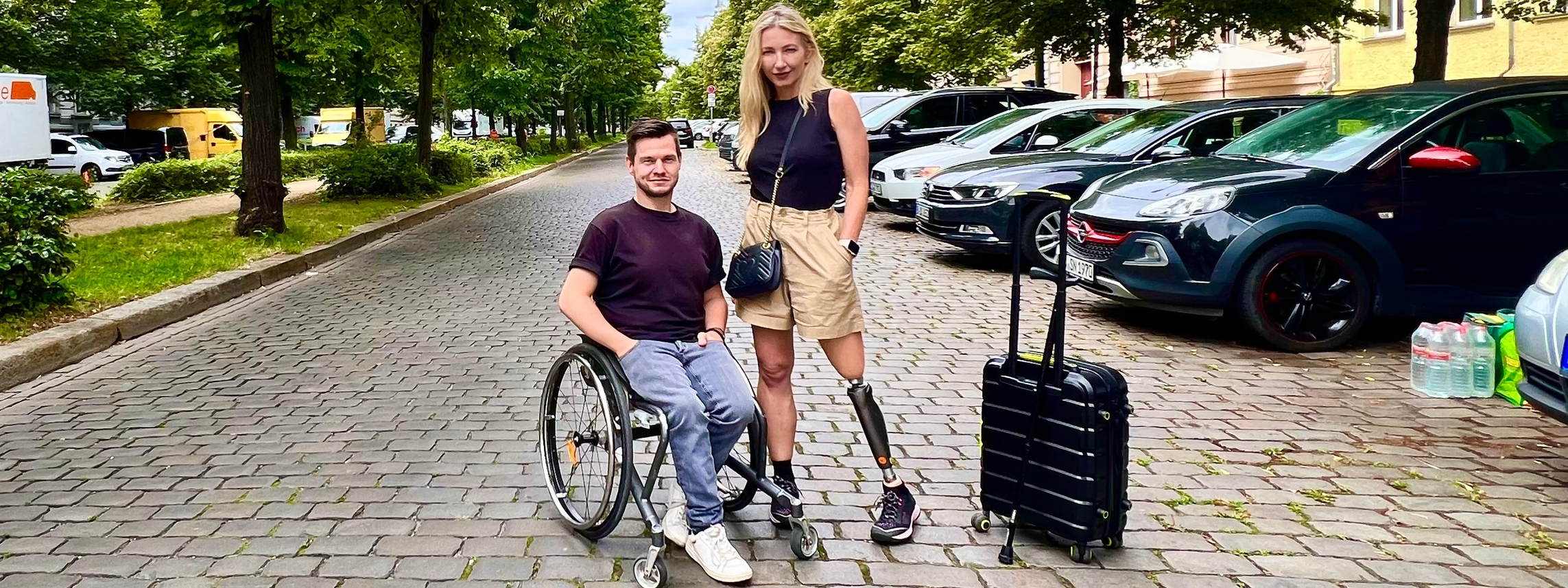
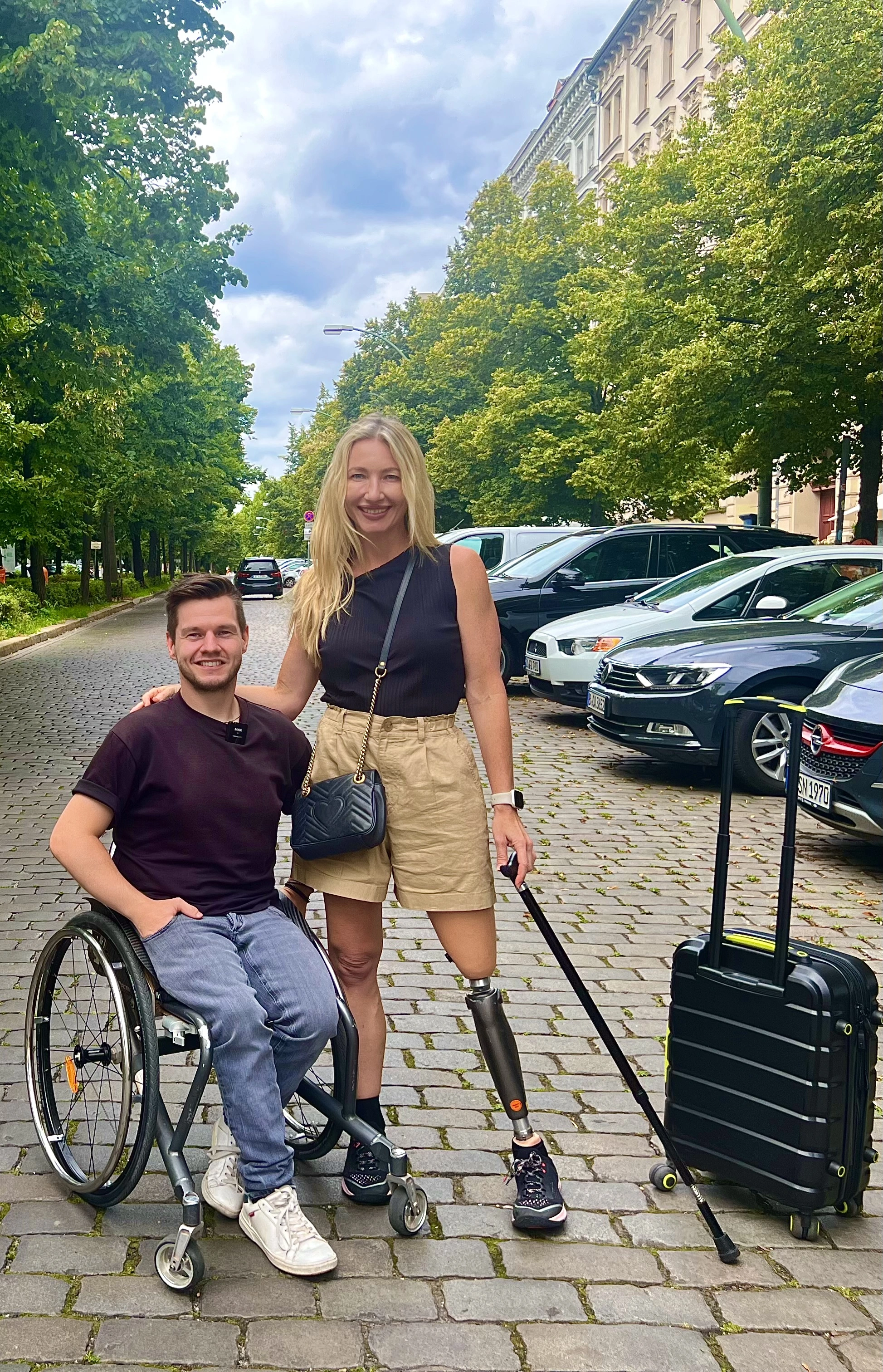
That's exactly what Marcus and I set out to explore as we embarked on our Berlin adventure. It wasn't just about seeing the sights but about sharing our honest, unfiltered experiences. I was born with a rare congenital limb difference and have used a prosthesis all my life. Marcus was also born with a rare condition and began using a wheelchair at the age of five, facing his own set of challenges. While our disabilities differ, we quickly realize how much we have in common. There's something extraordinary about connecting with someone who gets it—no explanations needed.
As we explored the city, we quickly encountered our "Unofficial Disciplines"—those everyday obstacles that most people don't even notice but can make life incredibly difficult for someone with a disability. Big curbs, uneven pathways, cobbled streets, inaccessible buildings, and even sandy beaches all make getting around a challenge. While I could manage some places with my prosthesis, they were entirely off-limits for Marcus because of the steps and the lack of ramps. And for both of us, those uneven cobbled streets were a real test. We found ourselves constantly looking down, trying not to trip or get stuck, laughing at the fact that we couldn't simultaneously walk, push, and admire the beautiful surroundings—ever!
But it's not just Berlin; we've both faced these issues in all cities worldwide. Public transport can be a nightmare when elevators are out of service or escalators aren't working, turning a regular trip into a stressful situation. We've learned to always pre-plan—adding extra travel time, double-checking routes, and staying as calm as possible when things don't go according to plan. Our tip? If you're stuck and can't find a solution yourself, try to find an information desk, and don't be afraid to ask for help and support. You'll be surprised at how many people want to help but don't know you need it until you ask.
As we talked, Marcus pointed out some barriers I hadn't noticed before. Like popping into a shop or grabbing a bite to eat in a restaurant? Easy, right? But not if you're in a wheelchair and there are steps or narrow doorways. It was eye-opening for me to realize just how many places aren't accessible to him, and it's frustrating because these problems could be fixed with just a few minor adjustments—ramps, wider doors, or even just better awareness.
We want to help raise that awareness, not just for us but for everyone living with disabilities. We also recorded a video of our day together, discussing everything we experienced. Check it out and let us know your "Unofficial Disciplines."
If you want to explore these issues further or see what others are doing to break down barriers, some fantastic organizations and campaigns are working toward accessibility and inclusion. Check out the European Disability Forum (EDF)and the #WeThe15 Campaign, which advocates for the 15% of the global population living with disabilities.
If you're interested in how laws and policies are changing, the United Nations Convention on the Rights of Persons with Disabilities (UN CRPD) is a great resource.
WIN WIN WIN We'd love to hear about your experiences with "Unofficial Disciplines." Share your stories in the comments below and win one of three goodiebags from Ottobock! WIN WIN WIN
*EU Citizens only. Deadline: 19th of September 2024
Let's unite our voices to make our world more accessible and inclusive for everyone.