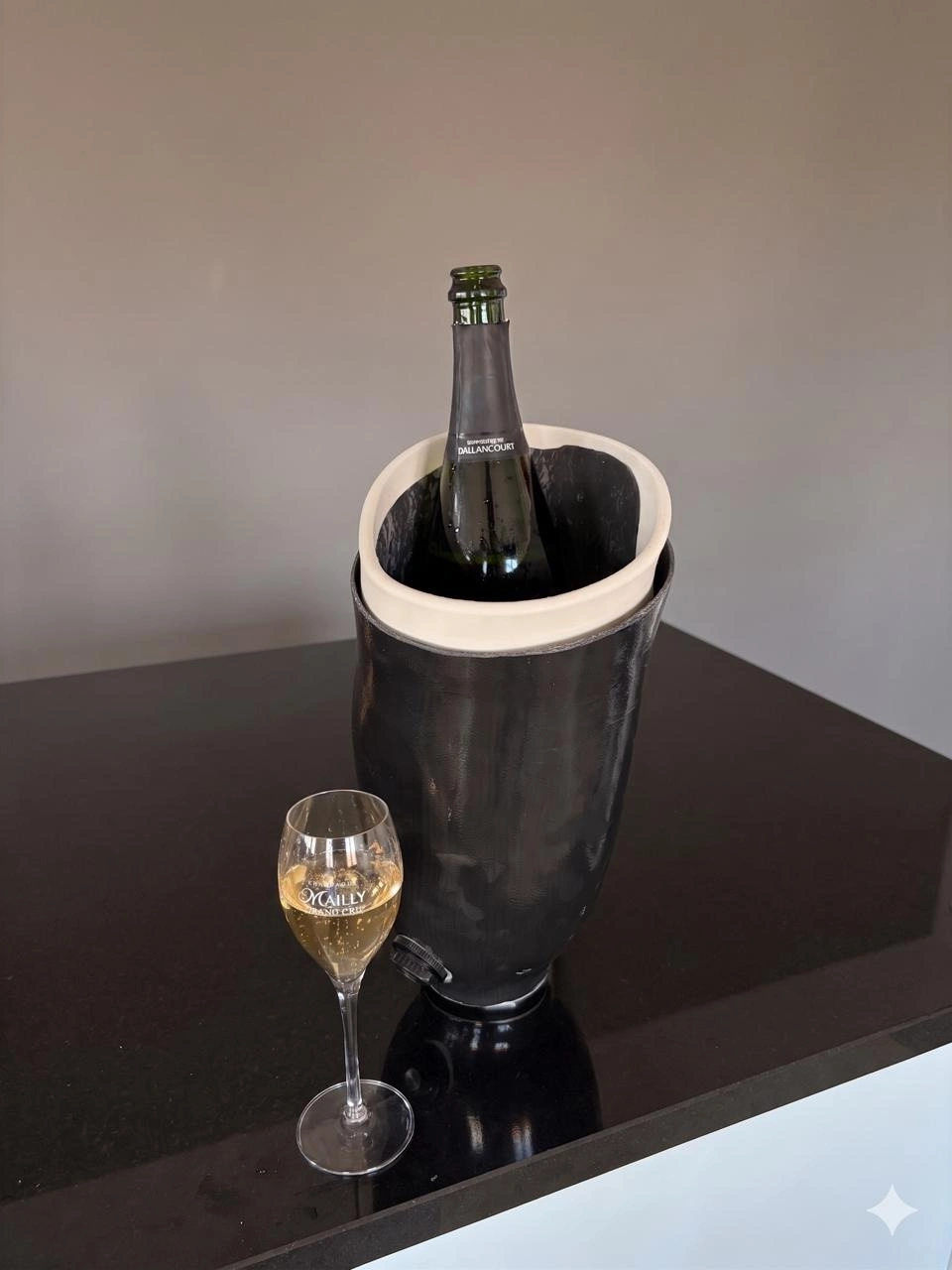
Trials and tribulations of socket life
Achievement is amazing — but difficult days are part of amputee life too.
Here's the reality sometimes.
"Social media can sometimes make it feel like every amputee is constantly thriving, training, travelling, and overcoming challenges with ease. But the reality is that many of us deal with setbacks, discomfort, frustration, and days where simply wearing a prosthetic feels exhausting and alien — like it just doesn't feel part of us."
I was contemplating what to write next for my next article when a post from Movao member Andrew Simister appeared on my Instagram feed.
He spoke openly about the frustrations of being immobile while waiting for a new socket to be made, and how difficult it can feel when the prosthesis you rely on suddenly becomes unavailable.
I related so much to Andrew's current challenges that I was inspired to write about a side of amputee life that many of us experience, but perhaps don't always openly talk about.
Sometimes I worry that with all the empowering content we focus on — celebrating achievements, adventures, and milestones — the more difficult, everyday realities of amputee life can quietly become overshadowed.
I have worn a prosthesis since I was a toddler. Although I consider myself an active amputee, getting to this point has not always been easy — and I still face setbacks both mentally and physically.
Part of living with limb loss or limb difference is recognising that many of us experience a very different reality behind the scenes — one that can suddenly knock you off your feet and force you to retire your prosthesis in favour of crutches or a wheelchair.
For me, that arch-rival has often been Mr Socket Sore.
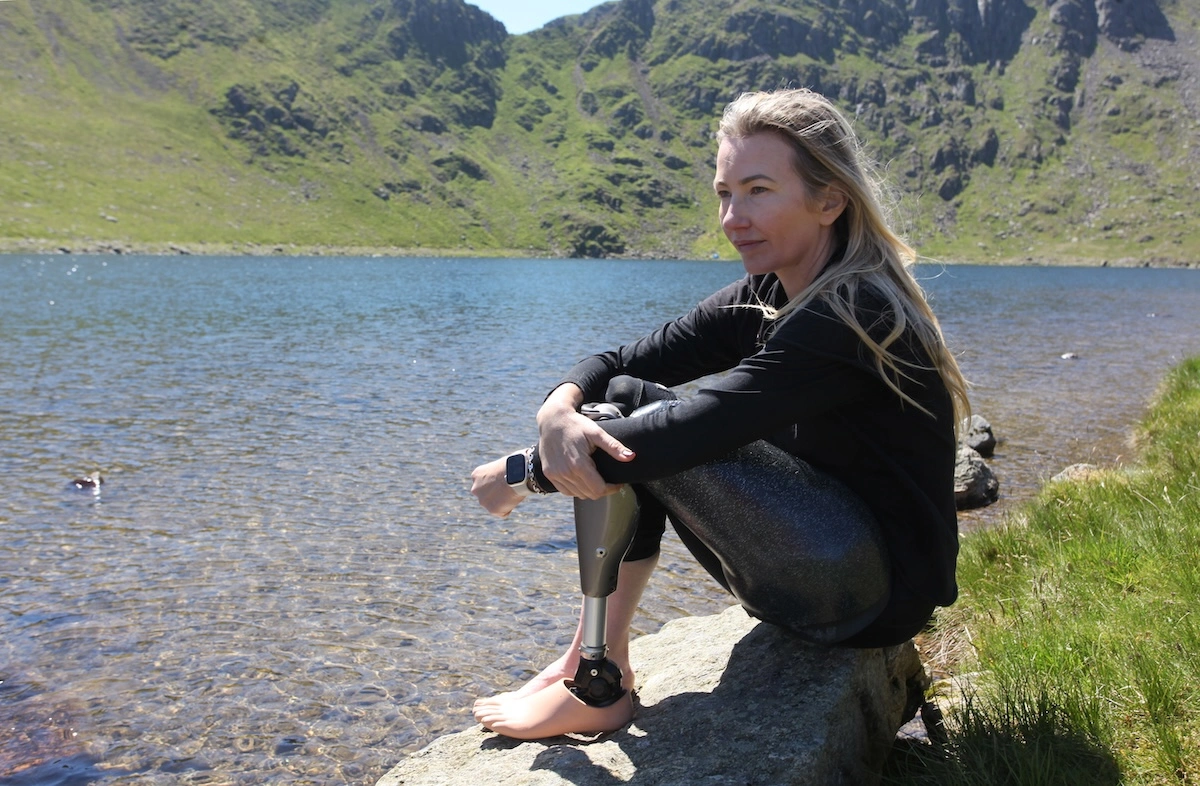
Socket sores, pressure points, socket blisters — whatever name we give them, they are not glamorous at all.
In fact, it's something I have often felt embarrassed about, even though it is a completely normal reaction to having skin trapped inside a hard, unbreathable socket for hours every day. Add walking, sweating, hot weather, and sport into the mix, and we all know the outcome.
I have been more active lately with the warmer weather and loving outdoor life, but unfortunately, my residual limb doesn't always agree. Without warning, Mr Socket Sore returns — and hits harder than a freight train.
The strange thing about socket sores is how quickly life can change. One moment I feel strong, active, independent, and on top of everything — and then suddenly, everyday life becomes difficult.
Being that active person running around after the kids, exercising, working, and carrying out normal daily chores suddenly becomes painful and exhausting. Walking becomes frustrating, irritability creeps in, and it can feel like your independence has quietly been stripped away in an instant.
The hardest part is that while all this is happening, the world keeps rotating. Life carries on around you, and you still have to do your best to keep going — even on the days when you feel completely limited by your own body.
I don't personally like the term "disabled." Still, when Mr Socket Sore is back, I suddenly understand why so many people emotionally struggle with the loss of mobility, freedom, and independence that can come with socket discomfort and prosthetic issues.
And I know I'm not alone. The more openly we talk about socket issues, the more I realise how common — and emotionally draining — these experiences can be for amputees of all activity levels.
Movao member Andrew Simister recently shared how difficult it has been waiting for his new socket to be made, highlighting how quickly independence and routine can change when your mobility aid is temporarily unavailable.
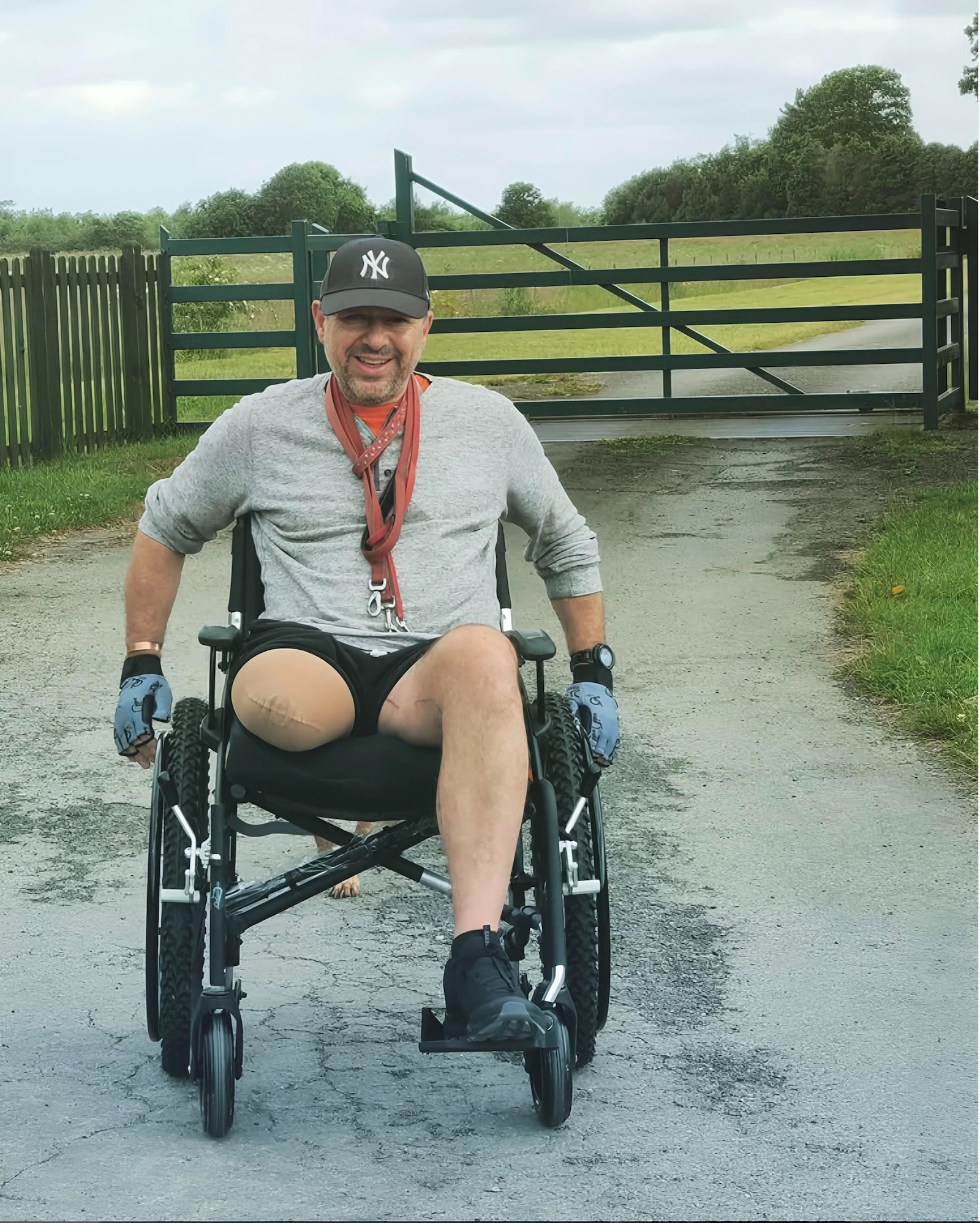
Andrew shared on his latest Instagram post:
"While I'm having a new socket made, and, to an amputee, what does that mean? It means for the next three days I will be without my prosthesis. The challenge then becomes: how do I get around?
In the early days after my accident, I was in a wheelchair, and then after that, I used crutches. I am lucky to have both these mobility aids; however, it also makes me realise I am not independent as such. I have to rely on my wife to do things for me.
How do I go shopping? I can't shop with crutches while carrying a basket and pushing a trolley. So, do I take a wheelchair? But then I still need help reaching the top shelf.
As someone who has had a prosthesis for the last four years, this experience makes me realise how very lucky I am to have it. It is only three days, but it needs to be done, and I will make the best of it.
Three days doesn't sound like a big deal, but it is. I am very independent, and suddenly I'm not. Nothing I can do about it, so time to stop feeling sorry for myself and be grateful for what is coming."
I thought Andrew's words were a powerful insight into how quickly independence and routine can suddenly change when your mobility aid becomes unavailable.
Movao Champion Chris Kunkeler also shared how socket issues and volume changes can affect even the most active amputees in ways people don't always see from the outside.
"I realise how lucky I am in most cases. I don't have many socket sores, just the occasional blisters after walking and moving too much. And when I get a new socket, it is usually fitted onto my prosthesis the same day, so I can walk out the door with it.
This week I couldn't because I needed a new liner as well, and it wasn't available. But now I still wear my current socket and can move about 'normally'.
My main problem is ill-fitting sockets because the volume of my limb still changes a lot — mostly shrinking rapidly and fluctuating throughout the day.
That means my prosthesis will not fit properly during the first few hours of the day and can come off slightly. So walking, cycling, and sports become more difficult, dangerous, and tiring.
The other thing is, and Rebecca described this already, most days we active amputees act as if we have two normal legs — at least I do. But during very active days, I get tired, my walking becomes less concentrated, and I tend to fall more."
For many amputees, ill-fitting sockets and socket sores are not just physical. They affect confidence, mental wellbeing, independence, social life, fitness, work, and even the simple freedom of leaving the house comfortably.
Perhaps this is the side of amputee life we need to talk about more — not just the achievements, but the difficult days too.
Because sometimes the most powerful thing a community can say is: "I understand — you've got this."