
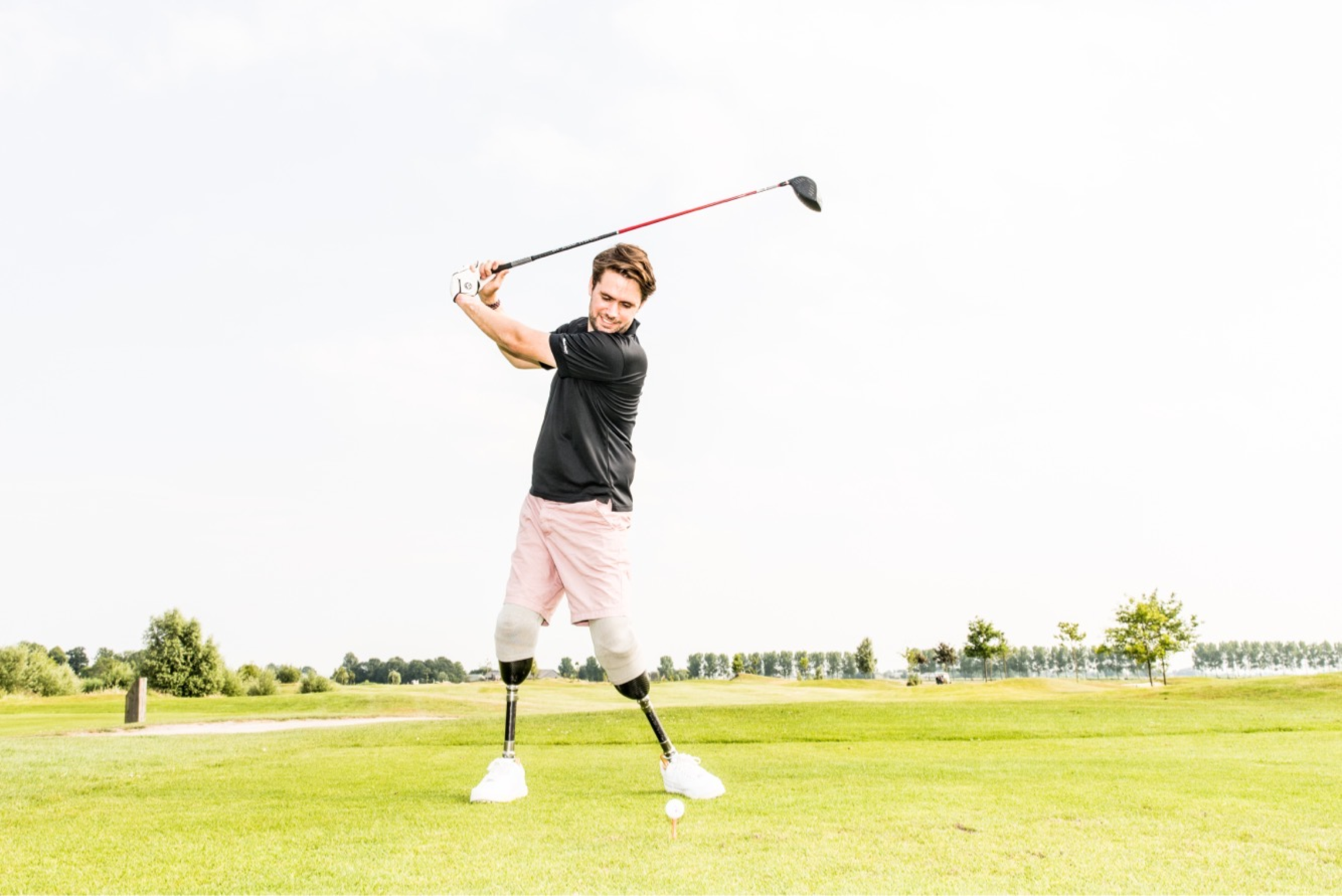
Blogger Leon: 4 tips for taking charge
How do you take charge of your own treatment? Blogger Leon knows how difficult it can be, but still recommends that everyone adopt an active attitude to thinking about their own process and progress. Here are some of Leon’s tips.
The concept of taking charge is a hot topic in healthcare, with the aim of encouraging people to participate in thinking about their treatment plan, medication and care needs. Involving people in the treatment process creates clarity and a sense of ownership.
In theory, this is an admirable endeavour and, as far as I’m concerned, an excellent initiative. In practice, though, it’s a little more complicated: how do you take charge when the specialists you’re talking to have expert knowledge that you could only dream of? Not to mention their ample experience.
Still, don’t fret! You can take charge of your own rehabilitation process and decide which artificial limb you want. At the end of the day, you’re the only person who can really tell what will and what won’t work for you and what’s the best solution for you. Here are some tips!
1. Do your own research
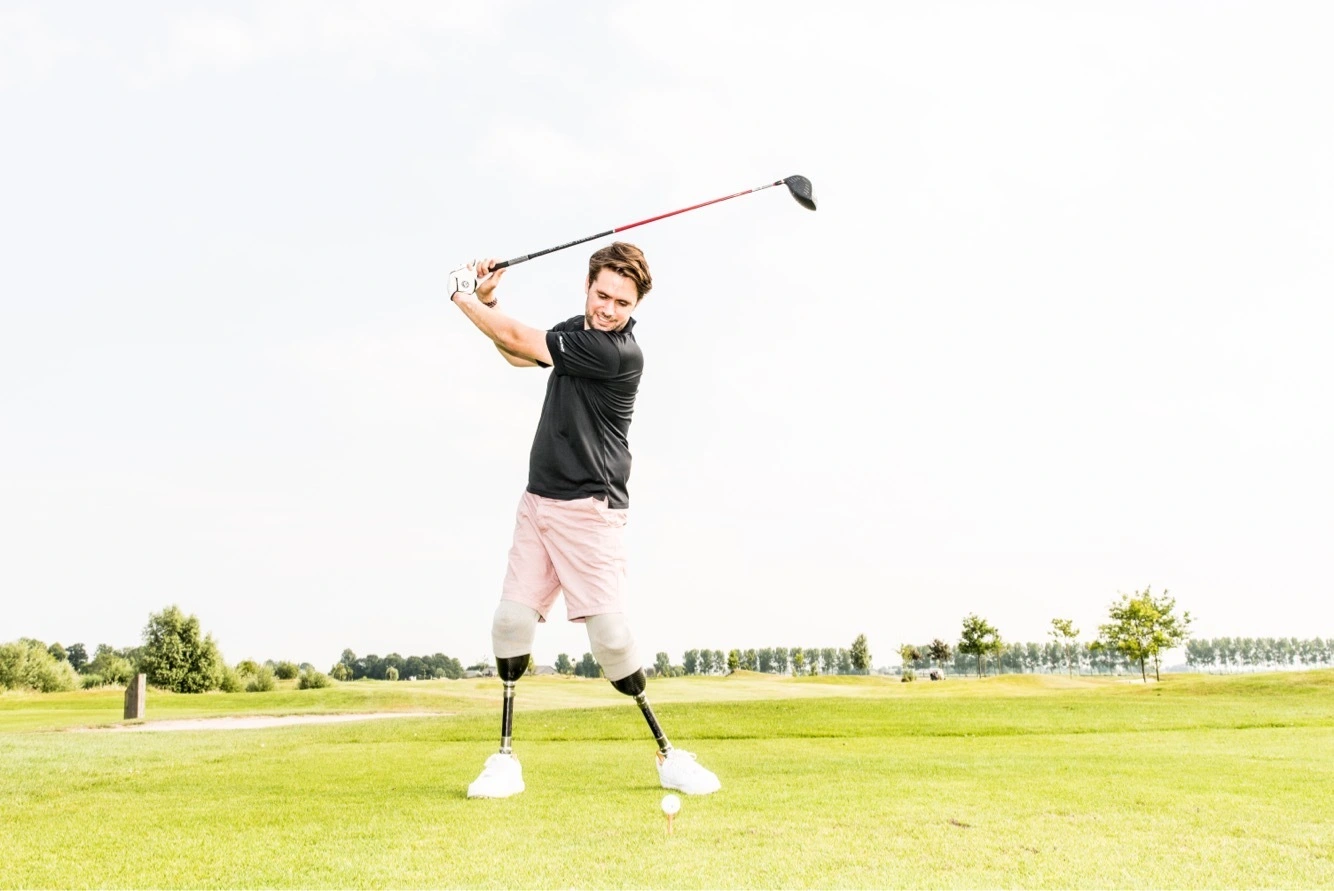
When I lost both my lower legs, I found myself in a situation that I had never expected to be in. I wasn’t equipped to deal with everything that came my way. Add the emotion of dealing with the massive trauma you’ve just experienced, and it’s hardly surprising that you go searching for certainty.
Searching for certainty is a very natural response that will - understandably and rightly so - often mean that you rely on the expertise of others at first. There’s absolutely nothing wrong with trusting experts.
Nevertheless, I’d recommend doing as much of your own research as soon as possible. What types of artificial limbs are out there? What are the different systems used to attach your prosthesis to your arm or leg? What are the differences between them and which is the best fit for me, now and in the future?
As soon as you immerse yourself, you’ll find there are tonnes of different options. Now I’d avoid setting your heart on state-of-the-art developments, because many of them aren’t even publicly available yet, but I do recommend actively setting out to discover your options.
Social media is an excellent place to get started. I use Instagram (@leonemmen) to get in touch with other people with artificial limbs, ask questions and exchange information. I’ve already learned a lot, and it’s great input to discover what’s the best fit for me!
2. Don't be afraid to ask questions
This one is fairly self-explanatory. Dealing with your doctor or prosthetist can be intimidating, especially if they confidently claim to know what will be best for you.
A good rule of thumb to stick to is the so-called "five whys" technique from the Lean Six Sigma management method. Basically, it means that you should always ask "why?" five times to get to the heart of a problem or a decision.
If your doctor or prosthetist can’t tell you exactly why they’re making a decision, you’re well within your rights to wonder whether they’ve properly taken stock of your personal needs and wishes. So don't be afraid to ask questions! Ultimately, if you can't work it out together or if you don’t believe you’re headed in the right direction, you shouldn't be afraid to ask for a second opinion. Train yourself to stop thinking of yourself as a patient and start thinking of yourself as a customer!
3. Get to know your equipment
I learnt this lesson from Heinrich Popow, former Paralympic long jump champion, at the Ottobock Running Clinic in Berlin. One of the participants, who had a prosthetic knee joint, hadn’t fastened it properly. When Heinrich found out, he called all participants into a huddle. He told us: even though your artificial limb is not a real limb and doesn’t have any sensation, you need to get to know your prosthesis to the point where you can identify any issues.
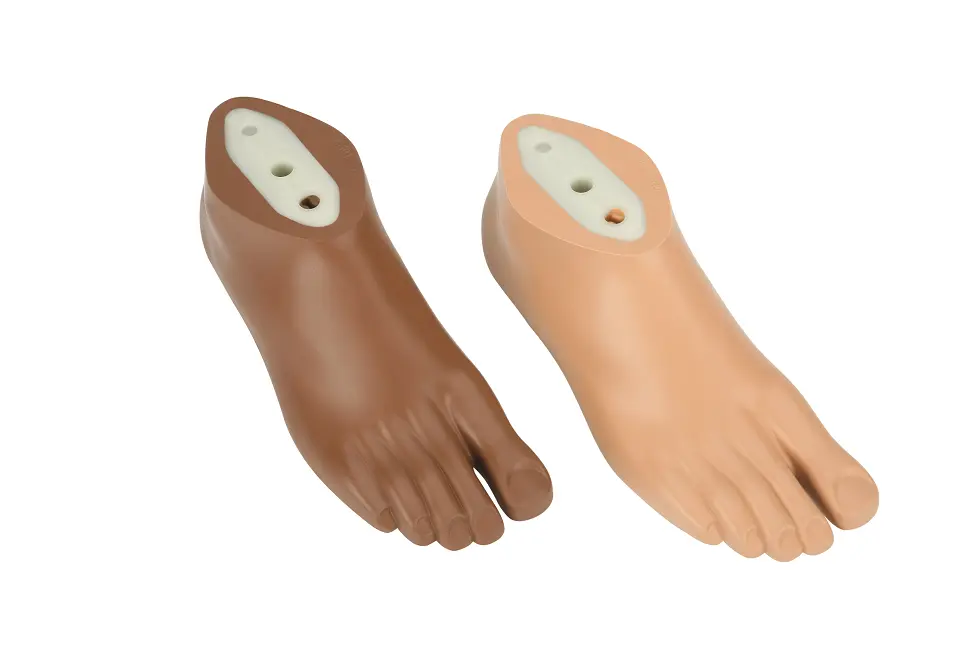
Your artificial limb is a replacement for your limb, or limbs in my case, so it’s key that you can tell exactly when it’s right and when it's wrong. If you don’t, you could be inches from disaster without even knowing it. If the runner with the artificial knee joint had continued running, they might have had a nasty fall. If I set out with an ill-aligned artificial foot, I’ll end up with blisters and painful wounds. Ultimately, you have to get to know your equipment to the point that you can tell exactly what needs to be adjusted.
I’ve now reached a stage at which I can tell perfectly whether something’s wrong with my foot, which makes communicating with your O&P professional a whole lot easier. "There’s something wrong with my leg" isn’t particularly useful information. "I think my toe has to be angled up half a step because my front-foot strike is off", however, is a lot clearer and will make it easier to solve the problem.
4. Be honest and realistic with yourself
It may sound obvious to some, but I do believe it warrants attention: be honest about your abilities and stay realistic. Accepting your own limitations is also part of taking charge. If you’re 50 years old, never got a lot of exercise and are lugging around some excess weight, pacing your way through a marathon on blades might not be the most sensible short-term goal. In that case, taking small steps in the right direction, such as going grocery shopping without any pain and aids, probably makes more sense.
However, setting small goals doesn’t come easy to all of us. After losing a limb, it’s perfectly natural to get down in the dumps and reduce yourself to your impairment, but the other extreme is no less common: you go to great lengths to prove to yourself and the rest of the world that you’re still capable of everything you used to do (or perhaps even more!).
The latter was a big problem for me and I see that many new amputees around me struggle with the same thing. As is often the case, the truth is somewhere in the middle. Having a nuanced, balanced perspective on the future can be very helpful when talking to your doctors, because it allows you to set and pursue realistic goals together.
Let’s face it: you probably didn’t choose to get an amputation. And if you did make the deliberate decision, you probably made it to make your life less painful or improve your performance. In all likelihood, you’ve been forced to live in a world that you’d have liked to avoid if at all possible.
I can't speak for others, but even though my amputation has brought me many wonderful things and taught me a lot about myself, I would have preferred having my own legs. In some people, this sparks a kind of aversion mechanism. They want nothing to do with it, find it hard to accept and want to rely on the expertise of their doctors.
In other people, including myself, it sparks a certain curiosity: I’ve had to accept that I won’t wake up one day to discover that my legs have miraculously grown back, which means it’s also my responsibility to ensure that I can keep doing as much as possible and discover what’s right for me and where my limits are.
Both reactions are entirely human and understandable. I am convinced, however, that curiosity is a great tool for helping you accomplish your goals.
Accomplishing your personal goal
For starters, it will help you talk to your doctor and prosthetist with an open mind and thorough knowledge, allowing you to take charge in your own process and progress. Whether your goal is to become a Paralympic long jump champion or to take a five-minute walk without an aid again: the more involved you are and the better you know yourself, the closer you’ll be to accomplishing your goal!