
Thriving after Cancer: Life as an Adaptive PT
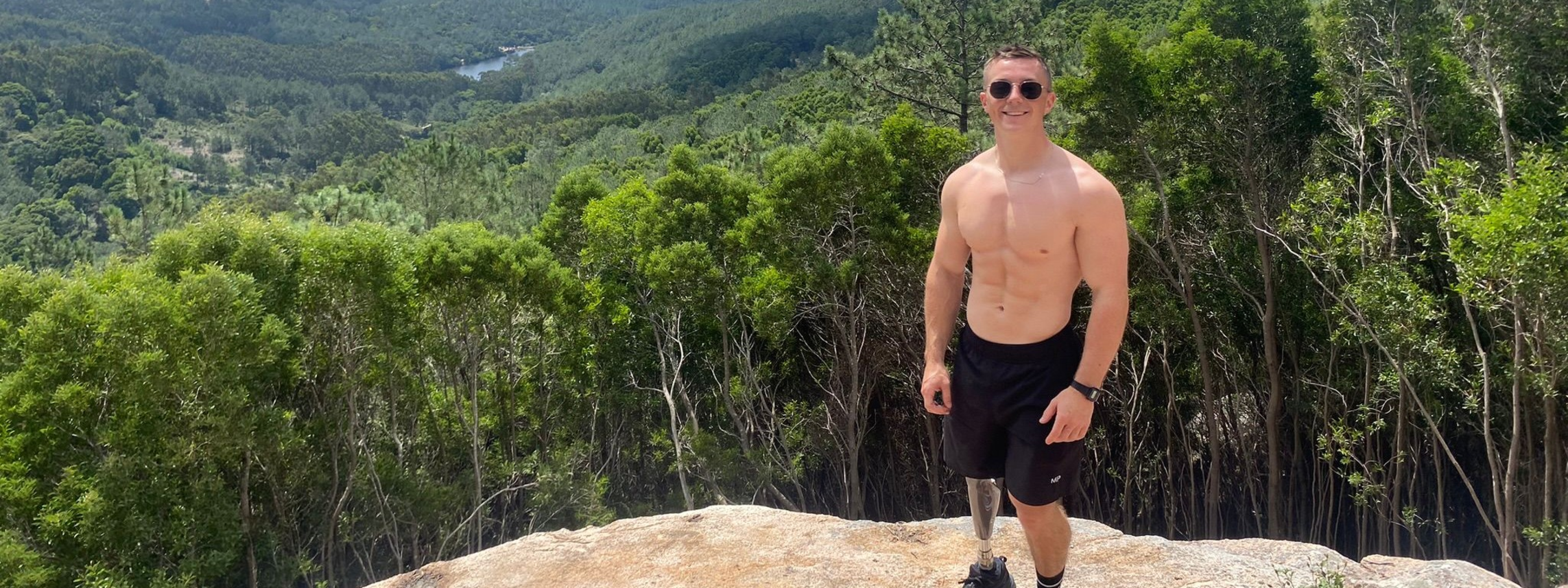
At just eight years old, Cody Walker was diagnosed with Ewing sarcoma — a rare and aggressive bone cancer. Over the years, he faced intensive treatments, including chemotherapy and multiple surgeries, which eventually led to an amputation at 17. Despite the challenges, Cody refused to let cancer or limb loss define him. Instead, he relearned how to participate in all the sports he loved and found a new goal in adaptive fitness, becoming a qualified personal trainer. Today, he's on a mission to empower others with the life-changing benefits of exercise and to help other amputees regain their confidence through adapted movement techniques.
You can watch the full interview here or continue reading a summary of our conversation below.
Receiving a cancer diagnosis at eight
"Back then, I was an active kid," Cody shares. "I loved sports and running around, participating in all sorts of activities. But gradually, I started experiencing persistent leg pain. Initially, the doctors suspected shin splints, but then they considered a bone infection. Eventually, we found out it was Ewing Sarcoma, a type of bone cancer."
He explains how tough it was. "At just eight years old, it was hard — it must have been even harder for my family to see me going through everything so young: hospital visits, surgeries, chemotherapy. It's something we don't talk about enough — that it's just as hard, if not more painful, for our loved ones watching us suffer from the sidelines."
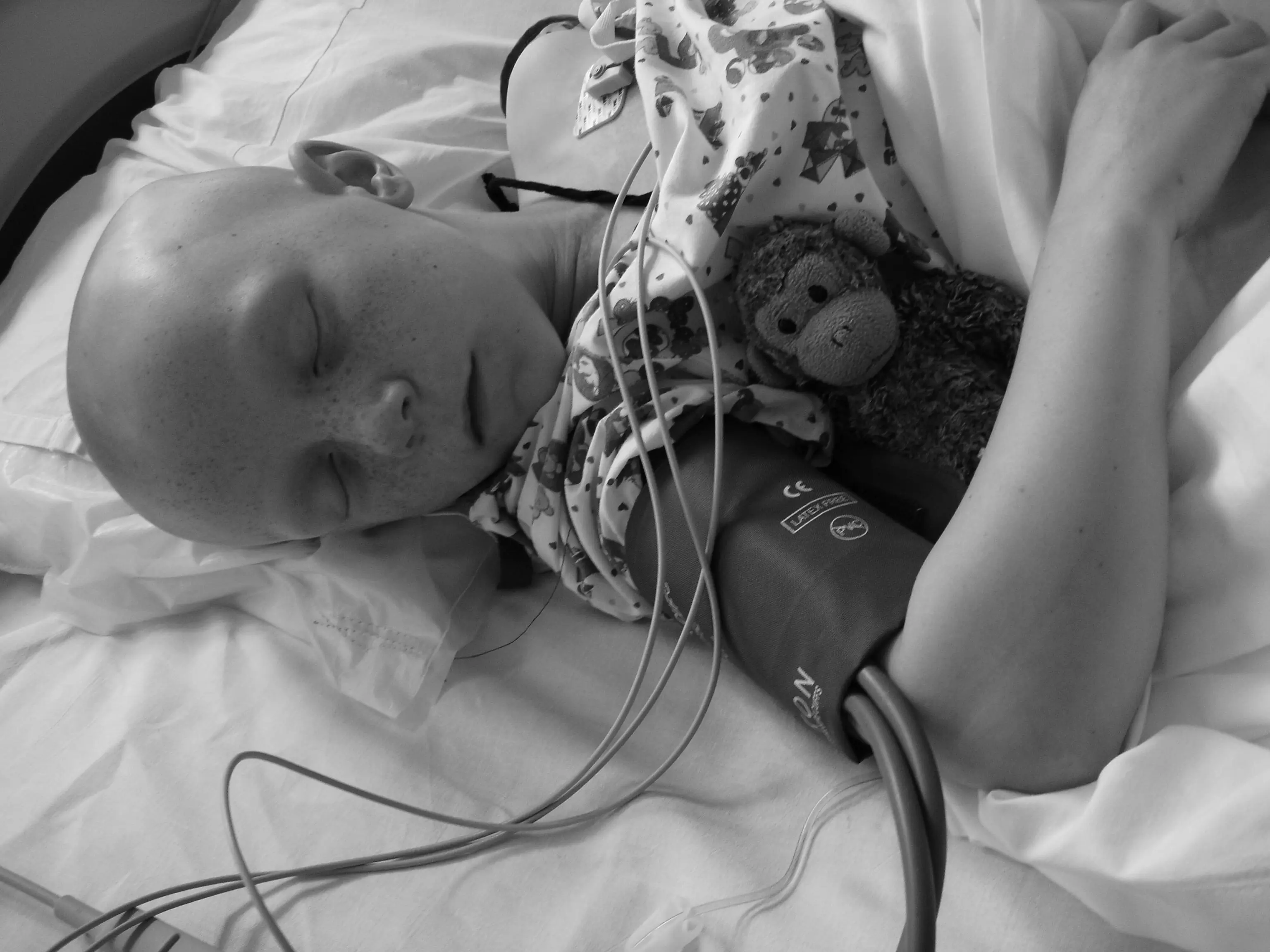
Cody reflects on what cancer meant to him at the time and the importance of staying present and positive:
"The word 'cancer' is frightening at any age, but especially when you're only eight. I didn't really understand what it meant back then. Honestly, I was more worried about losing my hair than my life. What really helped my family and I was taking things step by step and learning to adapt quickly. That's what got us through it all."
Infections leading to amputation
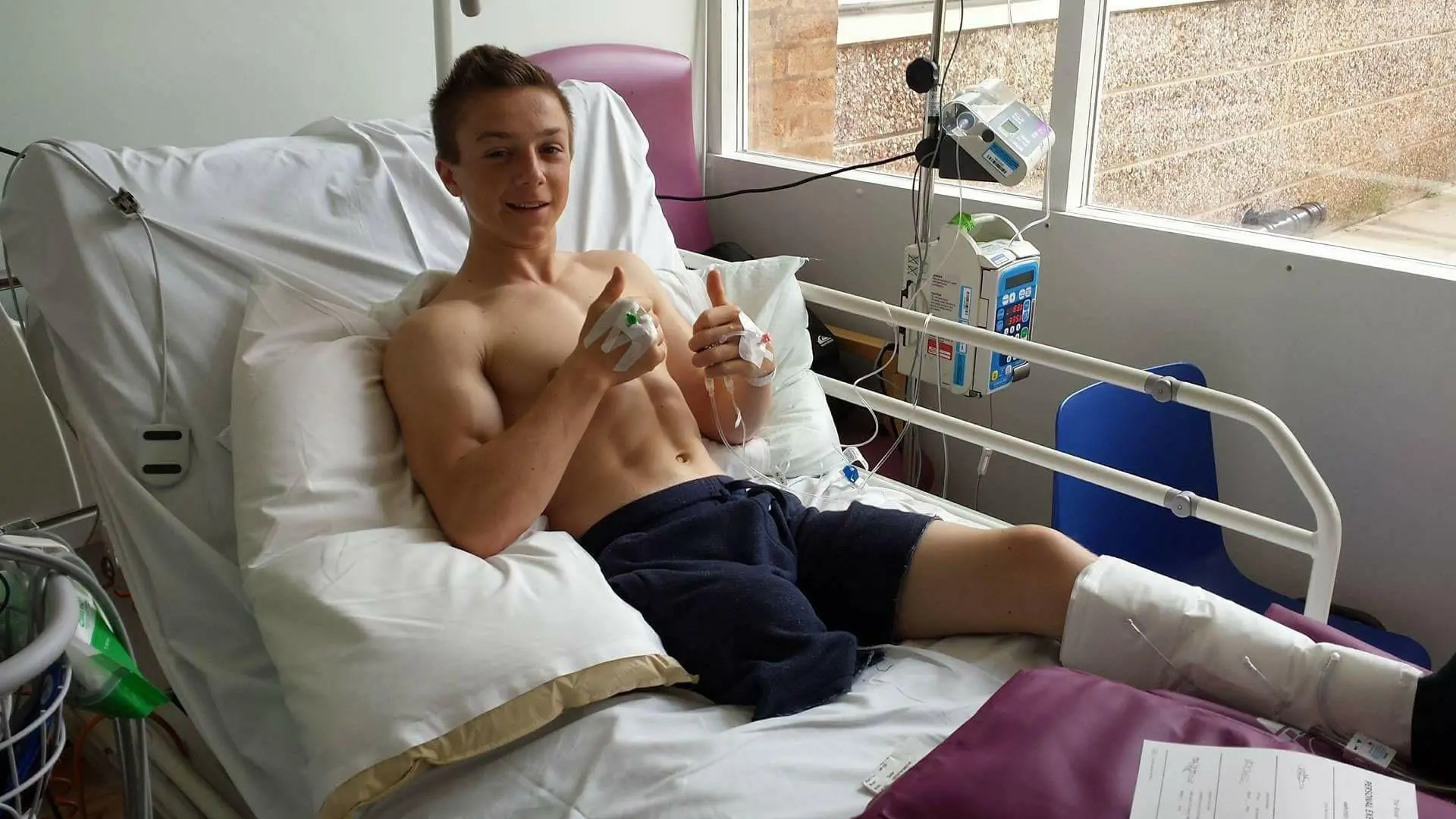
At first, Cody had an internal prosthesis fitted, but it continually became infected. The infections led to more complications and repeated surgeries. At that point, he just wanted normality back in his life — to be an active teen again. Cody explains:
"When the infection worsened, I understood what I needed to do. The alternative was to continue with more surgeries, which might not have even been effective in curing the infections. So, together with my family, we chose amputation — and honestly, looking back, it was the best decision. Since then, I've been able to refocus on what I love: living fully."
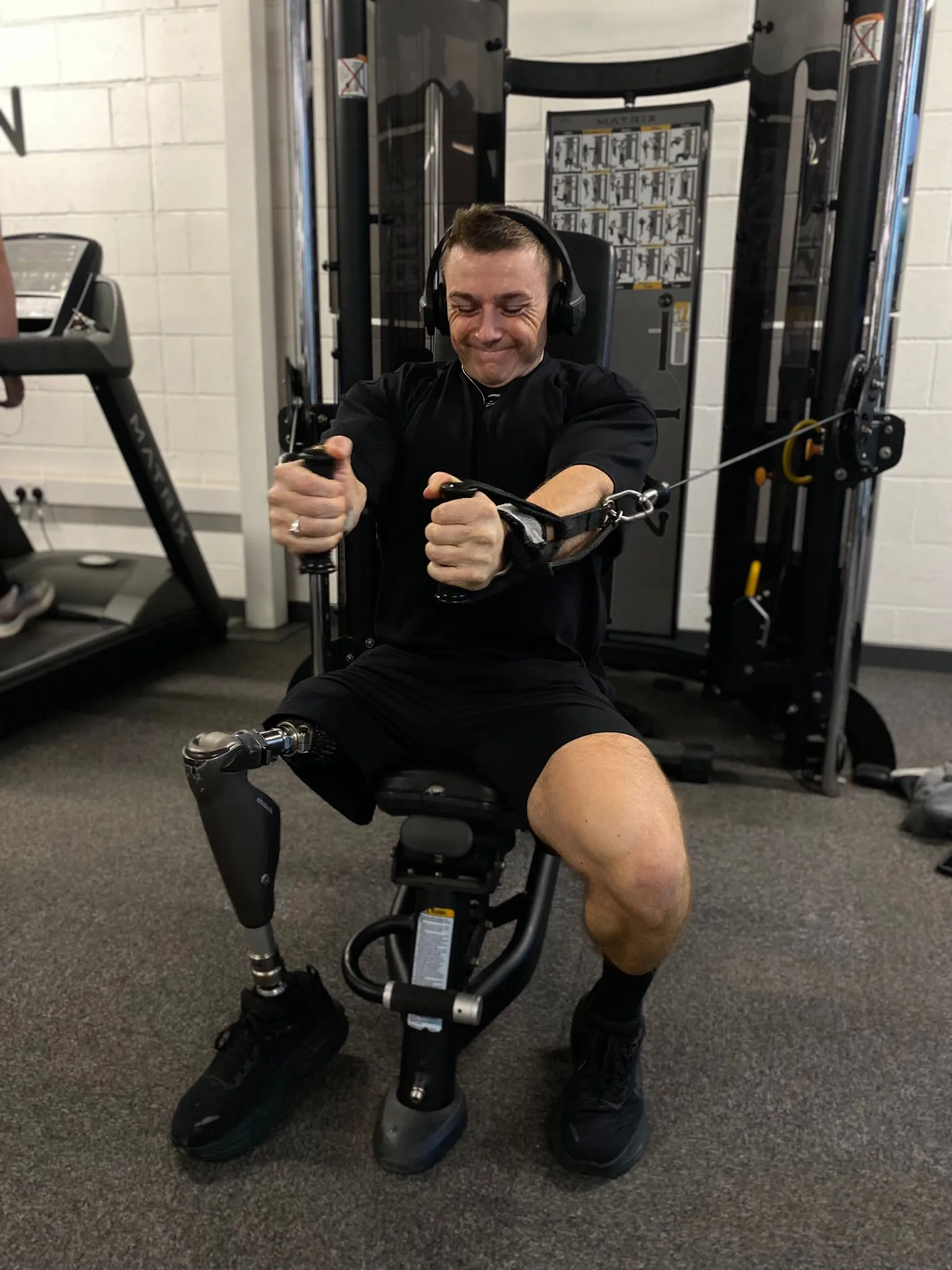
Today, Cody is a qualified adaptive fitness trainer, passionate about helping others with mobility differences rediscover their strength and confidence. He uses his life experience to fuel his work:
"Seeing clients make progress in the little things — those small steps that lead to big goals — that's what motivates me most. Participating in fitness isn't just about improving physical strength; it's about utilising movements and adaptations that work for you and your unique body type. That's what ultimately leads to greater confidence, independence, and a better quality of life."
Building strength after amputation
Cody's deep involvement in sports activities post-amputation gave him an advantage in recovery and rehabilitation. He stresses to others facing similar situations that working on physical strength before surgery can make a big difference:
"Building strength beforehand means you're already on a good footing. Recovery is quicker and easier when you've got a solid foundation — both mentally and physically. Especially when learning to walk again — it's so important to have a strong core to be able to walk further for longer."
Misconceptions in the fitness industry
We talk a little about the misconceptions Cody has faced as a trainer in an industry primarily made up of non-disabled professionals:
"At the start, it wasn't so much about what other people thought of me — it was my doubts. I worried that people might assume I couldn't train them as intensely because I'm an amputee. But in reality, no one I've trained has ever thought that. In fact, most of my clients are non-disabled, and many have said they don't even notice or see my limb difference as a disadvantage to my training ability. The key is consistency, a positive mindset, self-belief, and determination."
A message of positivity to others facing challenges
One of Cody's most important messages is about reshaping your mindset around realistic goals and achievements:
"Exercise isn't always easy to stay motivated for, but consistency beats motivation. Setting a routine helps — just as we would for any other daily chore. Whether it's morning workouts or after work, make sure you begin with small, achievable goals and treat each baby step as a HUGE win!
Please don't be discouraged if your movement looks different from everyone else's. We all need to adapt our poses to our unique bodies, and everyone's journey to finding the right adaptive approach is different — and that's OK."
When asked about proud moments in his work, Cody highlights the value of small victories:
"I get most rewarded when my clients tell me they can walk further than they have in years — that's huge. I know I'm repeating myself, but it really is the little changes that add up and make a life-changing difference. It's about showing people that progress is possible, no matter what their starting point is."
Living Fully, Moving Freely
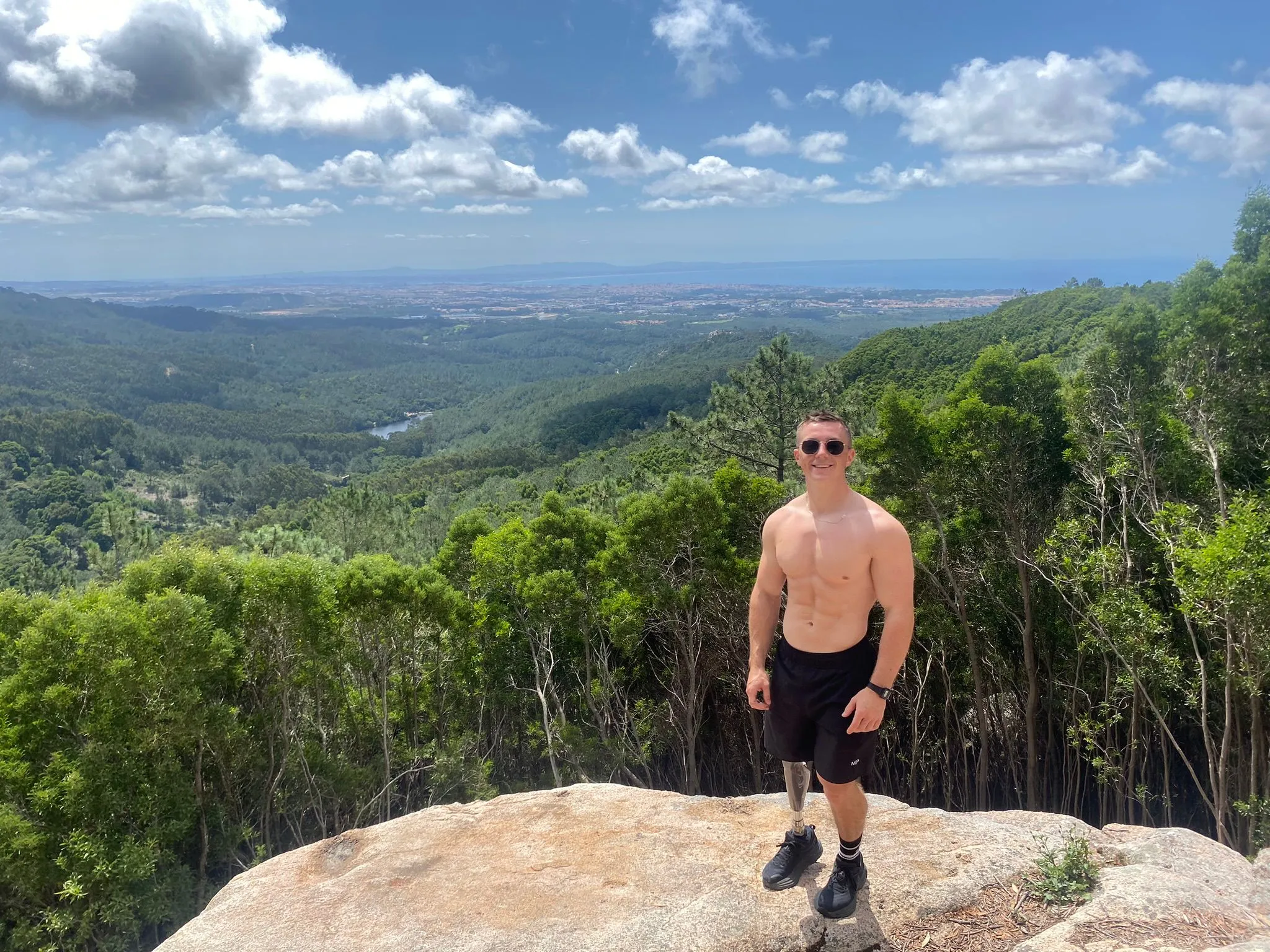
Cody sums it up beautifully: "To me, living fully means freedom — being able to do what I love, when I want. And that's what I want for all my clients — to find their own sense of independence and joy."
Looking ahead, Cody plans to expand his work within amputee communities, offering more specialised coaching and inspiring others on a global scale:
"By continuing to push boundaries, my main passion and purpose is to help more amputees and mobility-challenged individuals realise their potential. There's always room to grow, and I'm excited for what's ahead."
Cody welcomes anyone to reach out to him on his Instagram account (here) — and here's hoping he launches a live online adaptive session soon. You can bet I'll be there!
Thank you, Cody.