
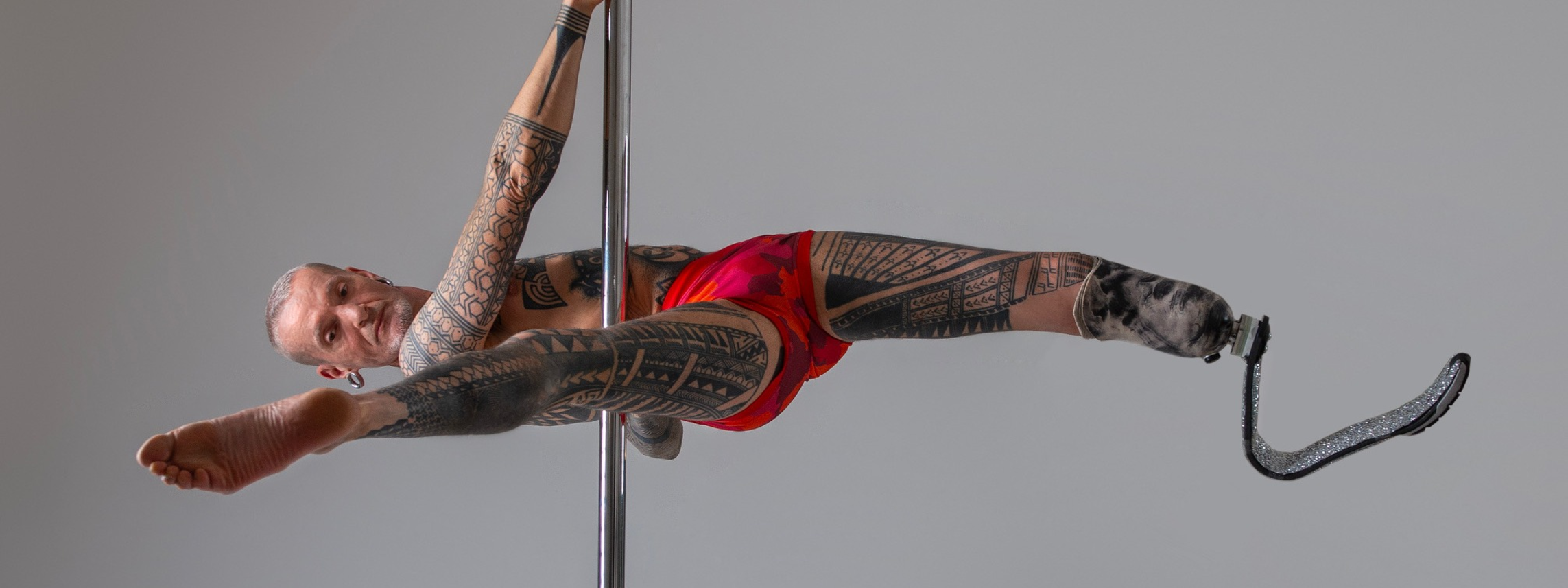
Para Pole Dancer Empowers Others to Embrace Life after Amputation
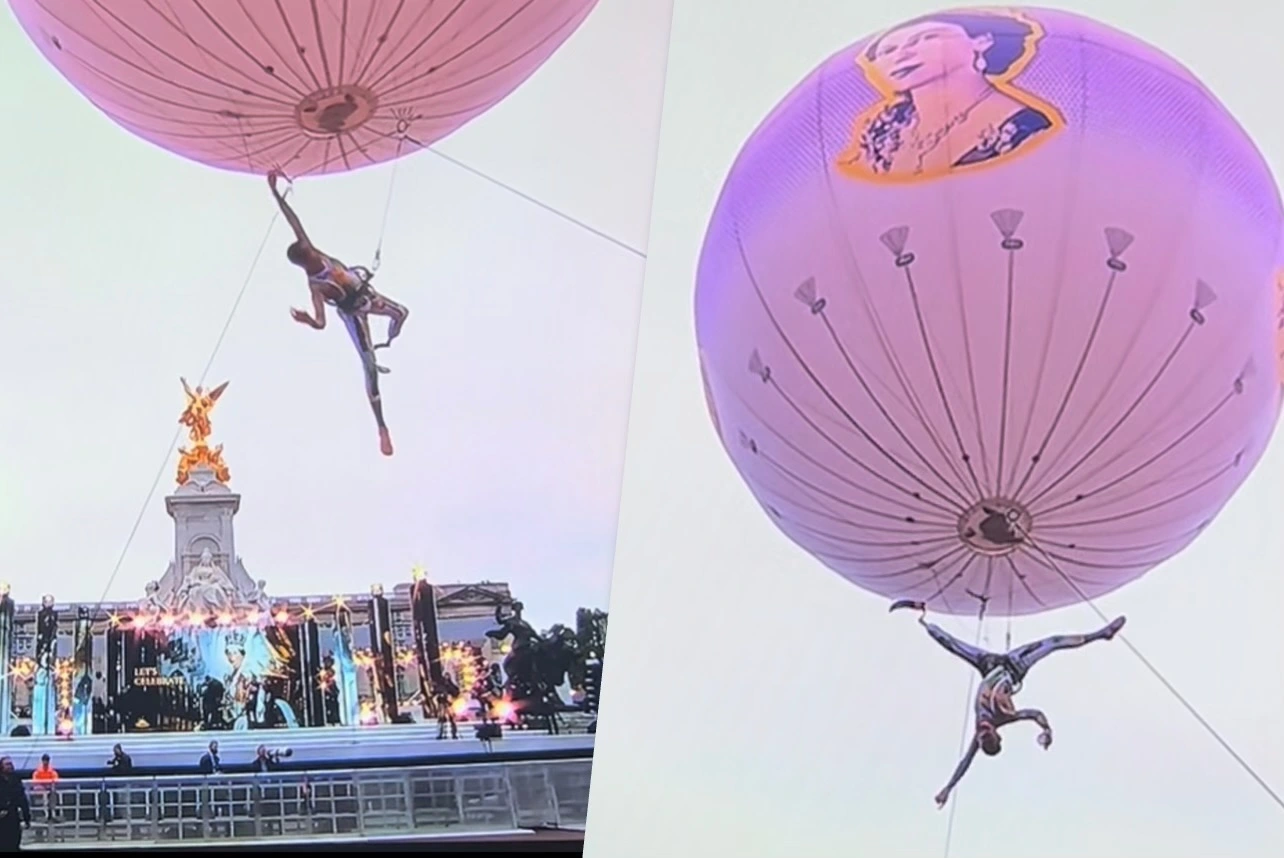
Andrew Gregory is a world champion para pole dancer who discovered his passion for the sport after a motorcycle accident resulted in severe leg injuries, ultimately leading to a below-knee amputation. In this Movao LIVE interview, we explore his incredible story and showcase some of his remarkable performances. One notable moment was when he performed upside-down while hanging from a giant balloon during the late Queen Elizabeth's Jubilee Parade. Additionally, Andrew graced the global stage as one of the Ottobock amputees at the Eurovision Song Contest in Liverpool, where he performed alongside Sam Ryder and Roger Taylor in the empowering anthem "Mountain."
Continue reading the interview with Andrew Gregory or watch the full version on YouTube.
Reflecting on this memorable performance, Andrew shares the thrilling experience of performing at such a prestigious event: "It feels like a dream that I performed at the Queen's Jubilee. When they first asked me about performing while hanging from a balloon, it sounded like lots of fun. I had no idea how high it would go until the day of the parade, as I had only practiced on an aerial rig, which was just a little way off the ground. But it was INCREDIBLE when they released the ropes that day over Buckingham Palace; at the same time, it was scary. I didn't anticipate the balloon would go that high! Once the initial shock wore off, I loved it. I am truly honoured to have been part of the Queen's special celebration, especially considering we were mourning her just months later."
Andrew takes us back to the life-changing decision that marked the beginning of his new life: "I didn’t lose my leg in the motorcycle crash, but the injuries had destroyed it. I underwent sixteen surgeries to try to salvage my limb and restore its function. Seventeen years after the accident, I became more active and discovered my newfound passion for pole dancing. Yet, my leg began to hold me back! I was in excruciating pain and taking a cocktail of prescription drugs—it was a dark time. I felt that instead of gaining mobility, I was losing it. It was at that moment I decided my leg had to go."
After exploring various forms of exercise to accommodate his injuries, a serendipitous encounter changed everything: "I was searching for a form of exercise I could do with my damaged leg, and by chance, I stumbled upon anti-gravity yoga—a form of yoga where you're suspended in hammocks, taking the weight off your feet. I desperately wanted to try pole dancing, but my injuries held me back. Then, a new teacher named Deb Roach came to our studio, and she had only one arm. She was an incredible pole dancer who inspired me to think that if she could do it, so could I. I booked my first pole dancing session and loved it so much that I left with blisters on my hands! I was hooked."
Shortly after his amputation, Andrew was eager to return to the pole as part of his unique rehabilitation journey, driven by an unstoppable urge to move and heal. He shares: "I shouldn't say this, but eleven days after my amputation, I was back in the studio training. I still had the stitches in, but my body was itching to move. Of course, I was incredibly careful, but I swear it helped me heal faster. I'm not recommending that people do this; you should do what works for you and listen to your body and its limitations. However, I genuinely believe that our bodies need two things: food and exercise. Everything else is just a luxury."
Never one to shy away from a challenge, Andrew embraced the unknown and forged new techniques in adaptive pole dancing: "I didn't know how it would work. I knew I would make it work, knowing our bodies can adapt to all sorts of things. But the moves I learned when I had two legs suddenly felt much harder. I had to relearn how my body is in space and adapt and create different techniques for use on the pole. It was all new; I didn't know how, and my teachers didn't know how either. We were on this journey of adaptive pole dancing together and are proud to have created new pathways for the sport that didn't exist before."
With pole dancing becoming more adaptive and more amputees and people with disabilities getting involved in the sport, Andrew is excited about the new opportunities for para pole dancers globally: "I am honoured to be the world champion at Parapole, a worldwide competition run by the IPSF (International Pole Sports Federation). It's a massive event with five days of continuous competitions across different ages and categories, including an ever-expanding para category."
"I get so excited to see other amputees I know through my Instagram. One example is a girl from Australia who initially hesitated to post anything about pole dancing because she felt insecure about her residual limb and body image. However, she found the confidence to perform on stage at the last world championships. I cried like a baby watching her! Sometimes, all you need is someone to give you a gentle push, and that’s the beauty of social media—it allows you to connect and inspire others. It's incredibly rewarding for me to help whenever I can."
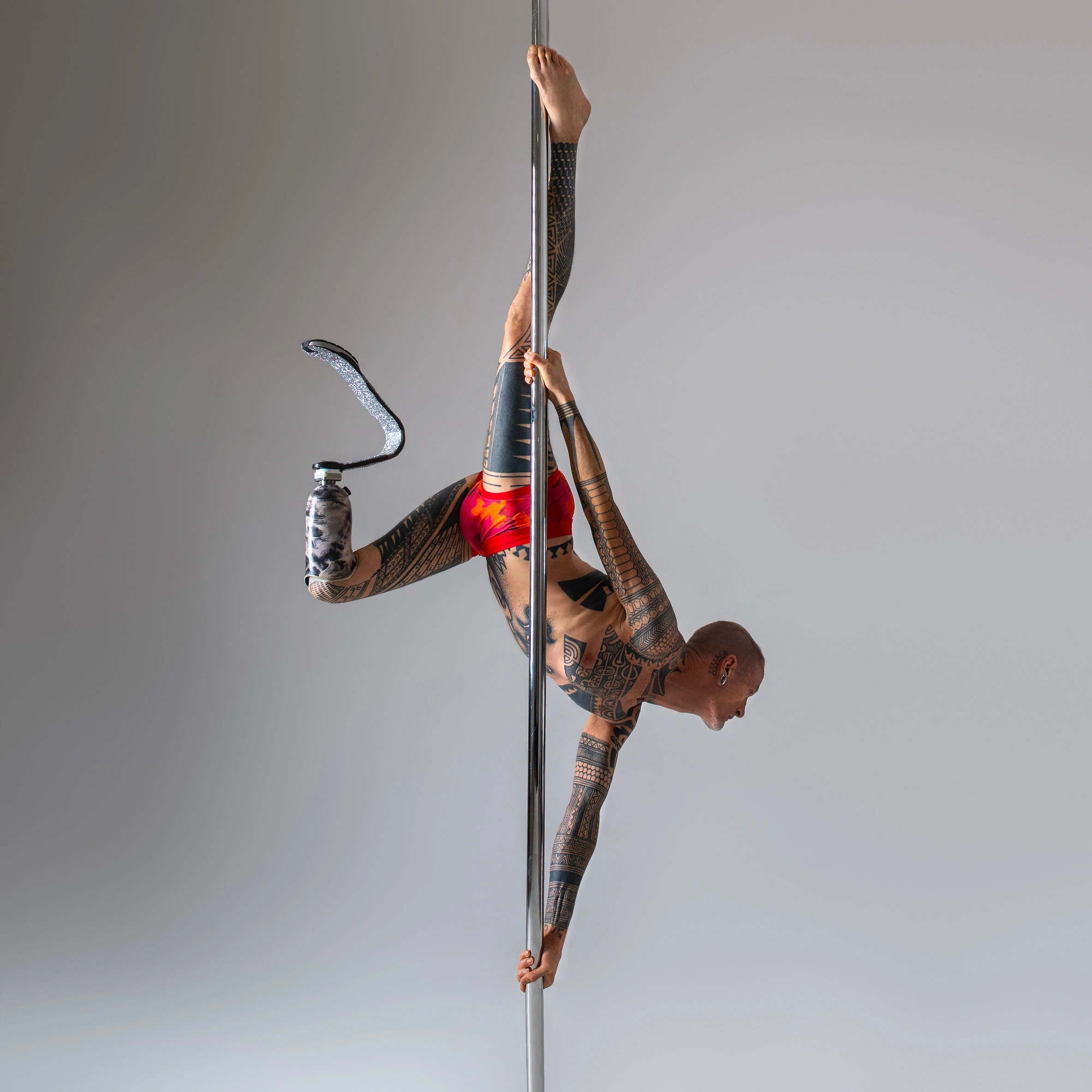
When asked if he believes the pole dancing industry is becoming more inclusive now, Andrew responds enthusiastically: "Absolutely. It's a very inclusive environment anyway. It's a body-positive space. People are there to learn to use their bodies and to respect their bodies. Standing around for that long in so few clothes really makes you realize your body is not so different from those around you. Yes, I may have a missing leg, but the next person beside me might be larger than I am, or the next person may have other issues. You're all in a safe space, and you're all supporting each other. It’s a great way to become more positive about your appearance. It's an incredible atmosphere."
As a para pole dancer and teacher, Andrew strives to share everything he has overcome with his students, including the challenges of adapting pole dancing as an amputee. He guides them in this sport, saying: "I have a student who is blind. She's amazing! I've also taught a couple of other amputees. As an amputee, I find certain things more complicated, especially the technical, tricky moves. I’ve experienced the struggles and overcome the challenges to achieve them. Passing on my skills makes it easier for my students because I’ve been where they are and understand how scared they may feel. This connection works for me as a teacher. However, there are also some moves I physically cannot perform—that's just the nature of my disability."
Returning to the pole was much easier than Andrew's journey of learning to walk again. He shares his challenges, which many can relate to: "After getting my prosthesis, I thought I could just put it on and start walking. However, the reality was much more complicated. I was placing my residual limb inside a hard plastic shell, which didn’t cooperate. Within 15 minutes of wearing it, I developed large and excruciating blisters. I had to wait for the blisters to heal before trying again, but the same issue would occur every time.
"I relied on crutches, feeling like I could never walk without them. There was a time when I was convinced I needed another amputation because I believed something had gone wrong with the first operation. I didn’t understand why my prosthesis wasn’t comfortable, and I thought it was abnormal. Honestly, I felt like I could never walk without crutches."
"Then, one day, I walked around my flat without crutches. I remember thinking, 'I didn’t use my crutches this morning.' A few weeks later, I thought, 'Maybe I can walk down the street without them.' After feeling like I was making no progress, I noticed small improvements, and suddenly, I found myself walking down the street without crutches. That moment still makes me emotional. Before the amputation, I hated using a walking stick; I felt self-conscious. So, walking without any aids was a monumental moment for me."
Andrew emphasizes that it’s often during the darkest moments that we experience enlightening, life-changing opportunities: "At the time of my accident, it was devastating, and for anyone to experience a life-altering event, it is challenging. But I don't regret anything—especially the accident. People ask me if I wish I'd started my pole dancing career sooner. I don't. The pathway for me was the perfect pathway, and this includes the accident and me being an amputee."
"Being an amputee makes me unique. My body is covered in tattoos, and I wear outrageous prostheses with lavish designs—some with lights, lasers, and lots of bling. Being an amputee has created a space for me within my industry because I look different. I get some of the most amazing gigs to perform because I stand out; I'm an amputee, and I look different, and that's what people like."
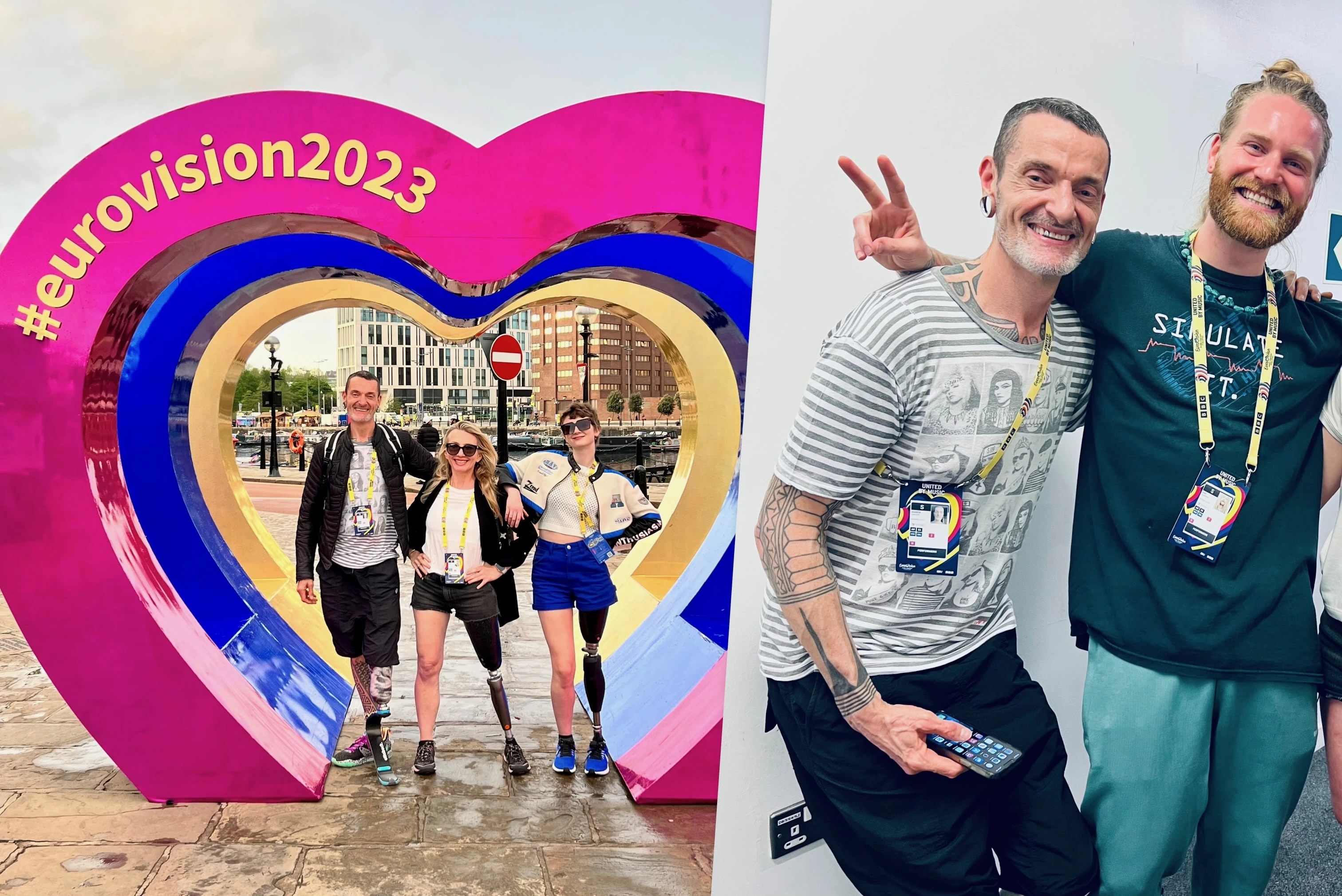
Andrew was one of the amputees involved in Eurovision 2023 in Liverpool, where he performed alongside Sam Ryder and Roger Taylor. He reflects on his experiences on the global stage: "Firstly, I nearly wet myself when I got that email. As a kid, I LOVED Eurovision, and when I was eleven, Eurovision came to Harrogate. I went collecting autographs and ended up being invited in for breakfast with all the performers, with the local news featuring the story. Eurovision has been a part of my life, so being asked to be on stage was just incredible. Working with Sam was great; he’s amazing."
"But what I really loved was being around so many incredible amputees—others like me doing amazing things. You rarely come across people like that and only see them on social media. To work with all those amazing individuals was astounding. And, of course, being on stage in front of a live audience—I mean, it was breathtaking. Knowing that so many millions of people were watching worldwide was an experience I don’t think I’ll ever have again. It was just incredible."
Wrapping up the interview, Andrew shares his motivational message and advice to anyone who may be struggling with the challenges of amputation: "In the early days when you're dealing with surgeons, physios, and prosthetists, don't be afraid to speak up and make your voice heard. You must choose the right prosthesis to suit your lifestyle, and it should be fitted with the correct alignment and a comfortable socket so you can walk well."
"If something isn't right, don't settle for it—learn to advocate for yourself. Don't be scared to do that. Beyond that, trust the journey. Keep your body moving. Pole dancing isn't for everyone, so find an accessible physical activity that works for you; don't let that limb waste away. Staying active helps your physical strength and fitness and is vital for your mental health. Remember, baby steps will all add up to you achieving your goals!"