
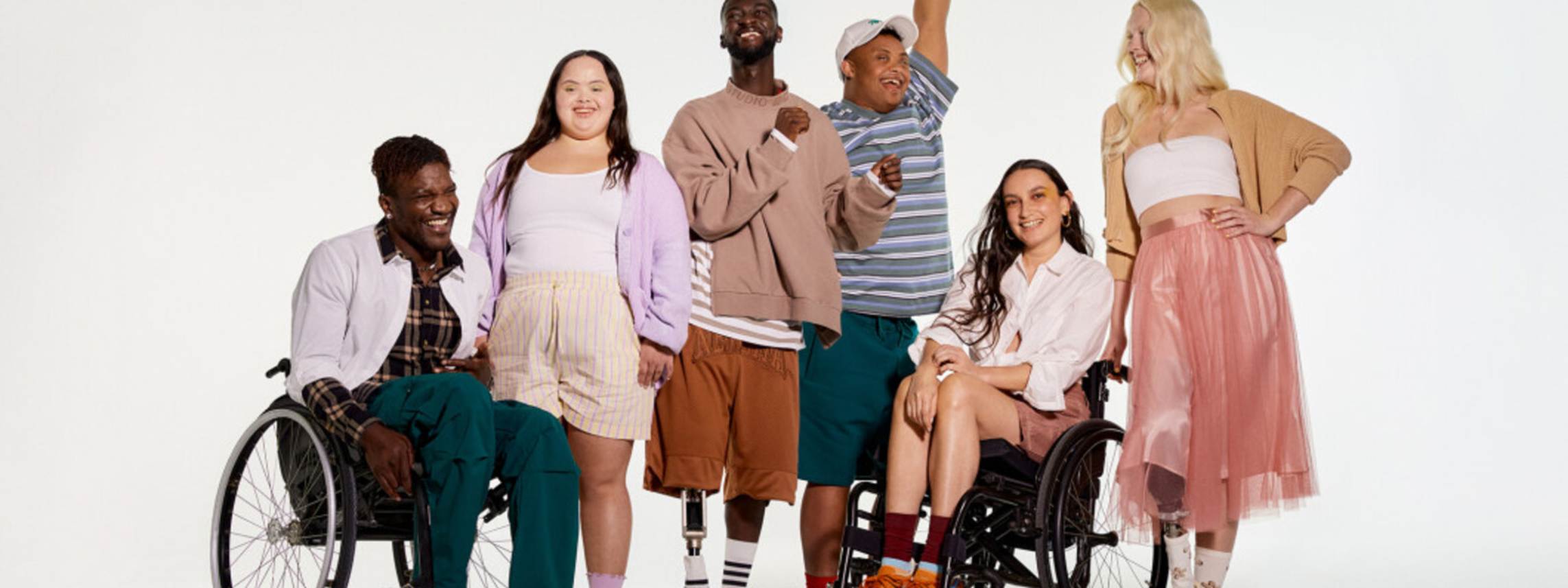
The Rise of Adaptive Fashion: Are Brands Finally Embracing Inclusivity?
As an amputee model working since 2008, I've witnessed the evolution of the inclusive fashion industry firsthand. It's been a long, slow journey, but are we finally reaching our destination, and has it all been worth the wait? I stumbled into my modeling career as a contestant on "Britain's Missing Next Top Model," the first disability fashion TV show that aimed to break down barriers, spark conversations, and drive change within the fashion industry. While initial reactions were less than encouraging - one model even expressed that "New York Fashion Week would rather burn down than feature a disabled model on the catwalk" - thankfully, times and opinions have changed. Today, we see more representation of models with disabilities and diversity being included in brand campaigns and on TV, but is adaptive fashion truly taking off? Are the 1.3 billion disabled people worldwide finally being heard and included?
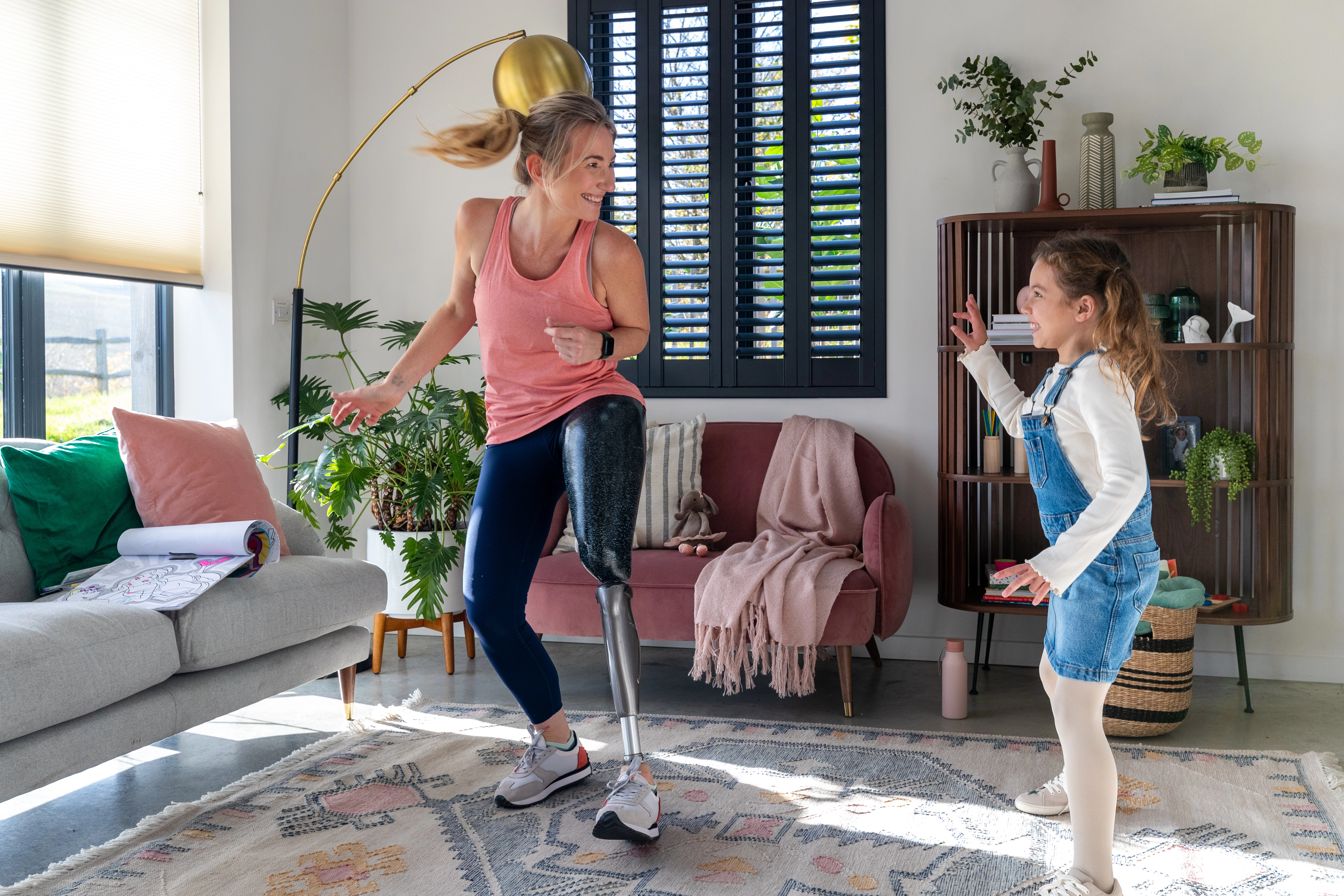
Given the fact that people with disabilities are the largest minority and the only minority, anyone can become a part of at any time - it's surprising that brands have been slow to embrace the potential of adaptive fashion globally. But the tide is turning, and positive changes are on the horizon. Ottobock believes in creating space for its diverse community of users, amplifying the voices of those who adapt and conquer life's greatest challenges to be their most prominent advocates for the products they sell. When Martin Wider, Rebecca Brunner, and I presented to VORN - Berlin Fashion Hub, fashion brands, and emerging designers, we highlighted the importance of disabled influencers and shared our insights and opinions on the rise of adaptive fashion wear.
We discussed how social media and influencers play a pivotal role in championing inclusivity and representation for people with disabilities in the adaptive fashion industry. By showcasing adaptive fashion and leveraging the influence of disabled individuals, brands can include the voices and opinions of those who can represent their adaptive ranges, reaching wider communities and creating positive awareness. This inclusivity is not just a trend but a crucial aspect of the industry's growth, and it's heartening to see brands waking up to the adaptive clothing needs and demands globally. Disabled influencers are at the forefront of this advocacy, reaching diverse communities and spreading awareness of adaptive fashion. The potential for adaptive and inclusive fashion is enormous; now is the time to make it a reality.
Some challenges I have faced as a disabled model on set are when stylists haven't considered or understood how certain fabrics fit over a prosthesis. These issues are disheartening, especially as they could have been avoided with more awareness and adaptive clothing options - saving myself and the stylist's discomfort. Young fashion designers are vital to driving innovation and the future of adaptive fashion because they have yet to be bound by traditional industry norms. We discussed the importance of focusing on adaptable and stylish fabrics and materials. For instance, innovations like the introduction of stretch denim have transformed how jeans fit various body shapes within one size, and similar approaches could benefit adaptive fashion.
Adaptive wear should cater to many body types, including those with disabilities, without making individuals feel different or excluded from fashion trends. On-trend fashion that fits and flatters all body types will be most effective. The adaptive fashion industry and young designers should take a fresh approach - think outside the box and embrace inclusivity for all bodies and everybody in their clothing ranges. For example, VIVO Barefoot shoes enhance the natural connection between your feet and the ground. This design is particularly beneficial for amputees, as this direct connection to the ground makes the microprocessor prosthesis react quicker with a more fluid and natural walking movement. Remarkably, VIVO Barefoot has unintentionally sparked a social movement within the amputee community, being inclusive and functional for everyone without realizing it.
Adaptive fashion holds enormous potential. Our disabled communities represent a larger demographic than traditional fashion catwalk models, and young designers who embrace inclusivity will find great success.
We'd love to hear from our Movao community. What challenges do you face with clothing and shoes, and what would make adaptive fashion work better for you?
Your voice matters!
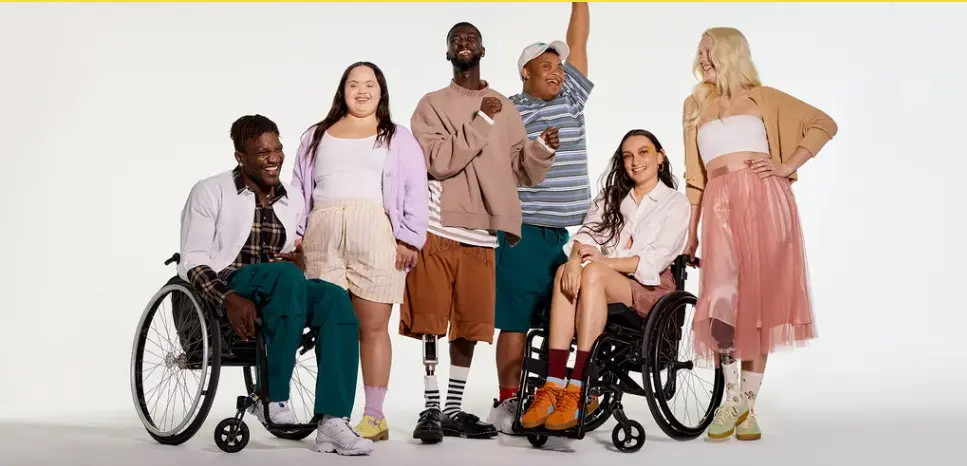
Zalando is paving the way for adaptive fashion