Big Fashion Show LFW: Fashion created with us, not just for us
Fashion and modelling have been part of my life for almost two decades. In 2008, I first appeared on Britain's Missing Top Model, at a time when seeing a disabled person in mainstream fashion was still so unusual that it became the premise of an entire television programme.
That experience wasn't entirely positive, but it opened a door for me and showed me how far the fashion industry still had to go. Eighteen years later, modelling three very different looks at the Big Fashion Show during London Fashion Week felt like a real full-circle moment.
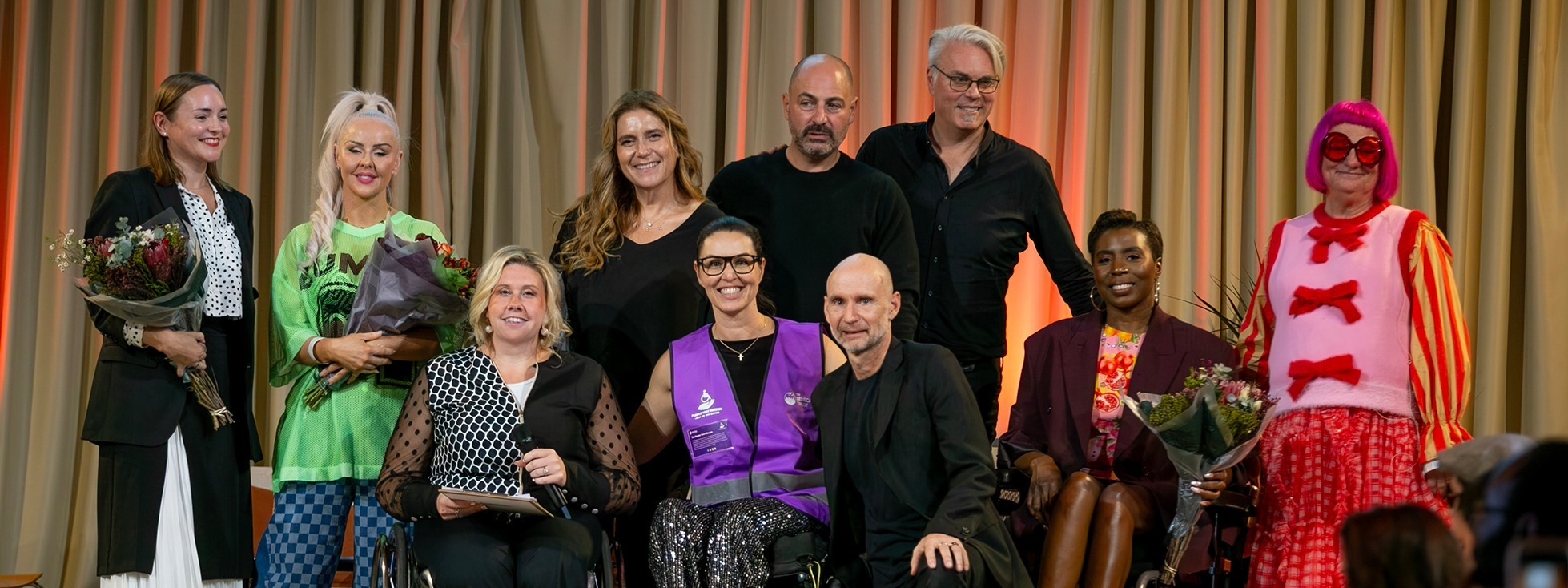
The Big Fashion Show, created by Bullock Inclusion Global, took place at the spectacular St Mary's Church in Marylebone. It brought together models, designers, students, brands, educators, technology leaders and community organisations for an evening that was about far more than showcasing clothes.
Behind it all was Samanta Bullock, founder and CEO of Bullock Inclusion Global. Samanta is a former international wheelchair tennis player who represented Brazil, as well as a model, public speaker and passionate advocate for inclusion.
I've known Samanta and her husband Mark for many years. Being part of a show that reflected everything they have worked towards in the inclusive fashion and sporting industries made the evening feel particularly special.
In an interview for the official magazine, Octamag, Samanta explained why she created the BIG Fashion Show: "Fashion holds immense power. It speaks to identity, self-esteem, culture and belonging. When a disabled person appears in a campaign or on the catwalk, or wearing clothes designed for their body, they cease to be invisible."
Asked what visible change she has seen so far, Samanta acknowledged that there is now "a huge demand for this dialogue", but warned: "We must turn conversation into action."
She called for more disabled people working within the fashion and creative industries, more designers learning adaptive design and more stylish products that work and make people feel good.
Her vision was never just about disabled models being seen on stage. Samanta wanted disabled people involved throughout the production, from backstage roles to design and decision-making.
That vision grew into Bullock Inclusion Global, connecting disabled people with opportunities worldwide and showing what can happen when inclusion is part of the creative process.
The evening opened with Gabriella Di Laccio MBE. The award-winning international soprano and recording artist was named one of the BBC's 100 most inspiring and influential women and founded Donne, Women in Music, which champions overlooked women composers.
This was followed by The Impact of Fashion, a panel discussion hosted by Victoria Jenkins, founder of Unhidden, with guest speakers Clara Holmes, Sandra Harness, Michal Rimon, Ross Barry and Christopher Patnoe.
They explored how the creative industries can move beyond representation to embed inclusion through design, communication and production, while asking an important question: who are we actually designing fashion for?
Paralympian and BBC presenter Louise Hunt Skelley hosted the runway with warmth and energy, bringing her experience as a wheelchair user and elite athlete.
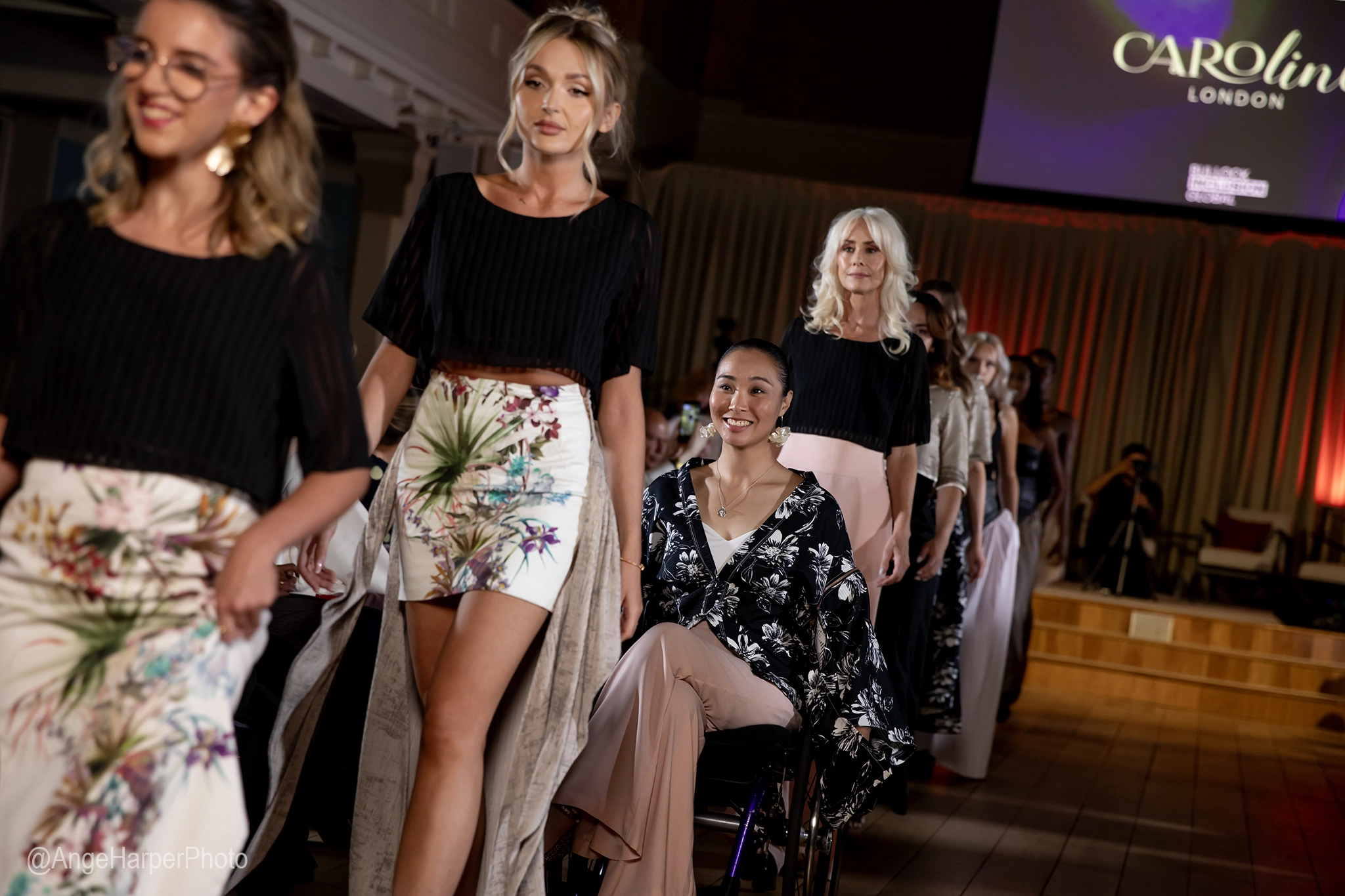
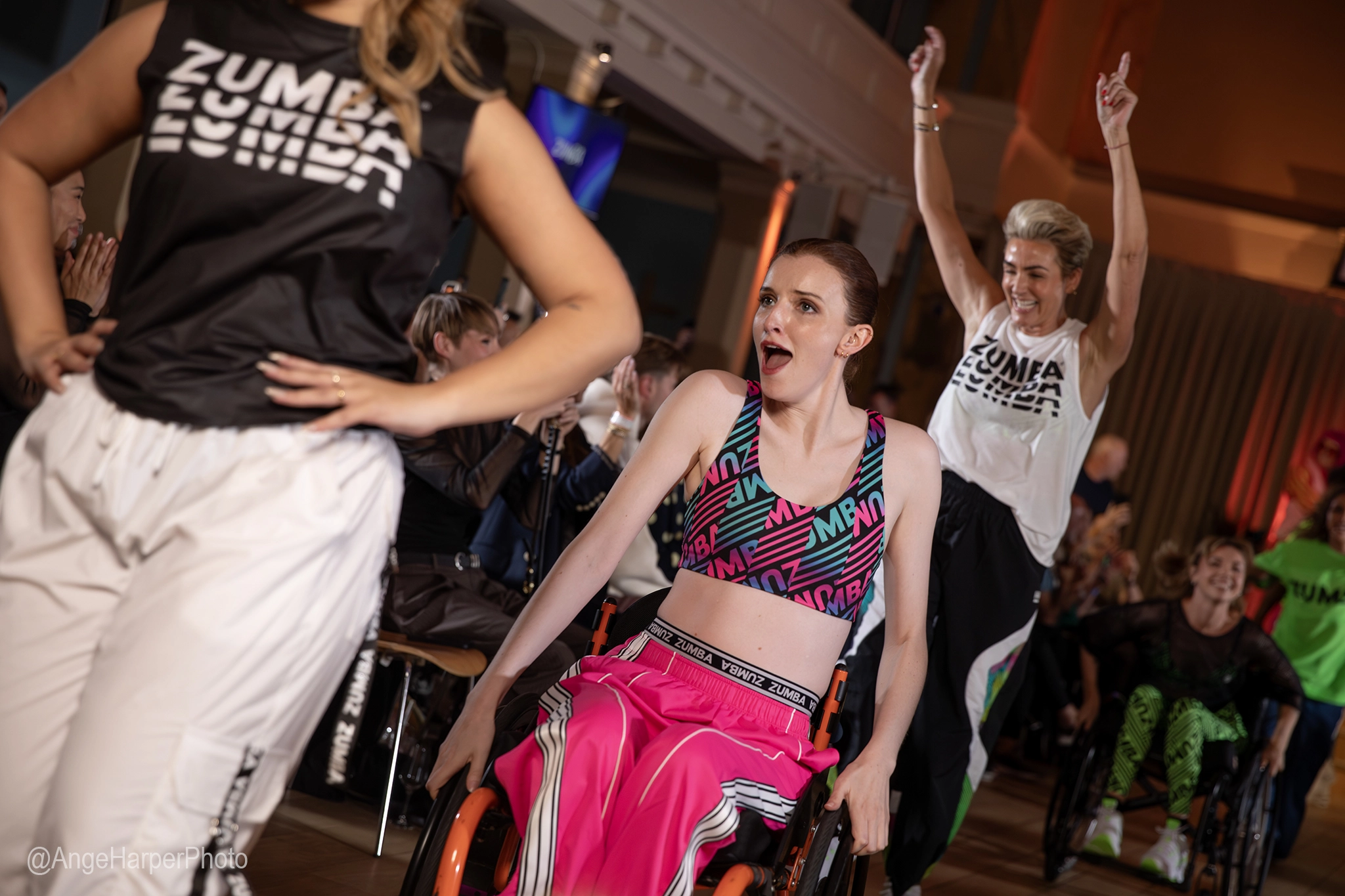
Then came the fashion collections, and what a sight it was. Wheelchair users, amputees and models with a range of other disabilities shared the runway with mainstream models and leading figures from the fashion industry. It celebrated how gloriously diverse the world really is.
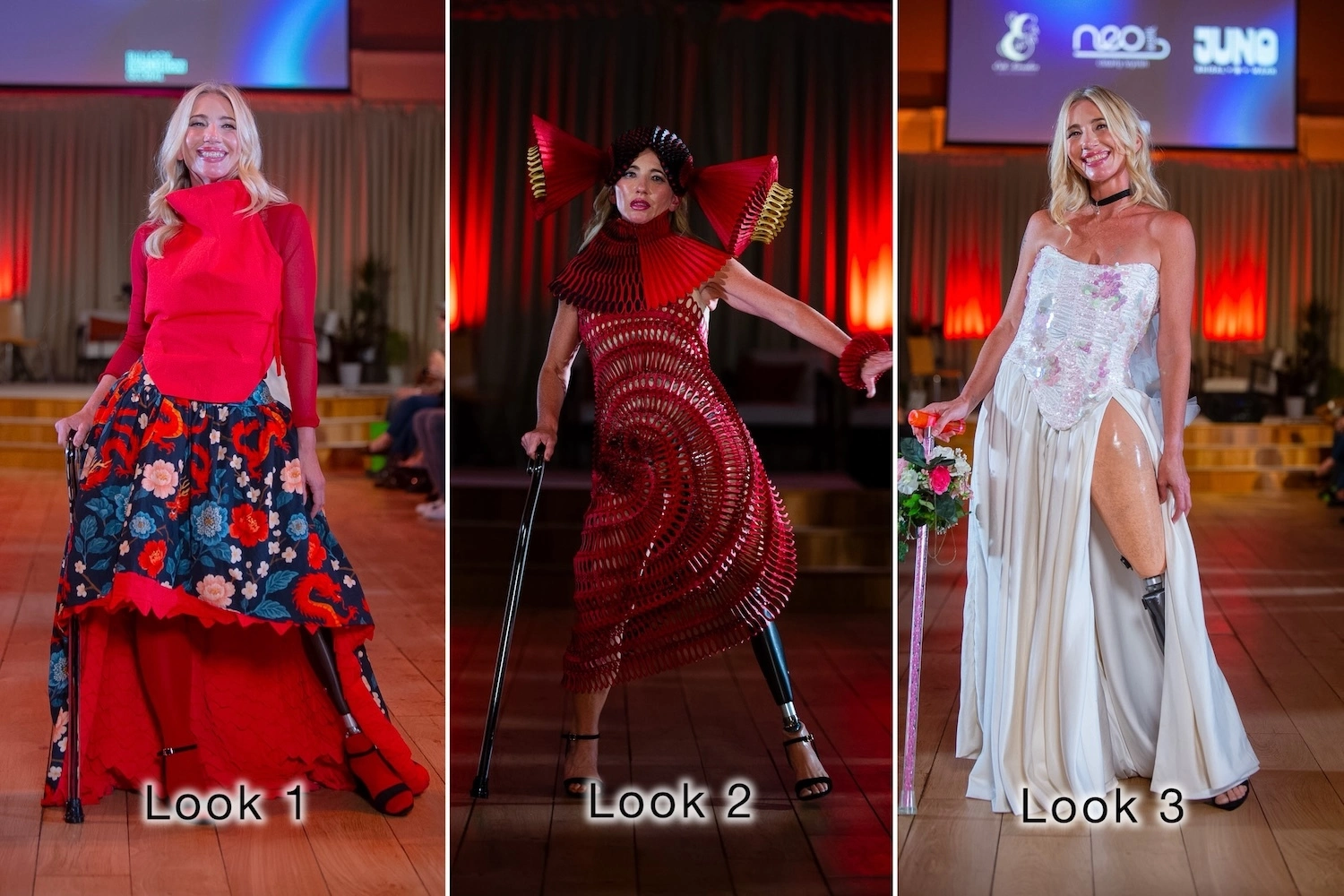
I had the privilege of modelling three very different looks, each bringing out a different side of me. First came UDESC's fashion graduates from Brazil, who opened the show with designs developed in dialogue with their models.
Their work combined aesthetics, comfort, autonomy and function while asking a much bigger question: how can fashion collaborate with the people who wear it?
My designer was the gorgeous Isabela Caprario. We first spoke months before the show about how she could adapt her design for me, and she was so excited that it fit me perfectly.
Her design, CHI, translates the Chinese concept of vital energy, or Qi, using the Chinese dragon as a metaphor for strength and rebirth. I certainly felt strong and empowered wearing her creation.
My second look could not have been more different. Drawstring Origami and Hope Tech came together in a design by the super-talented Darryl Bedford, who transforms flat materials into sculptural forms that expand around diverse bodies.
Inspired by the earliest hearing aids, my outfit explored sound and spatial perception. It felt like wearing a piece of art. The moment I put it on, I felt electric.
Just before I took to the catwalk, I was asked to take my time because there was a slight delay. So I decided to stop thinking, feel the music and dance.
Walking as an above-knee amputee takes thought, and I was also modelling the Jitterbug walking stick by Neo Walk, so my brain had plenty to manage.
But instead of concentrating on every step, I let go of my inhibitions and moved to the music. I felt completely alive. It is a moment I will remember forever.
My final look gave me a moment I'd never had before. Many times a bridesmaid and never the bride, I finally got to walk down the runway in a wedding dress. It wasn't quite an aisle, but it definitely made up for it!
I wore a gorgeous dress by Juno Bridal, which creates bridalwear for queer, disabled and underrepresented people, with custom jewellery by Esh London and a beautiful floral walking stick by Neo Walk.
Fellow amputees, who needs to carry a bouquet when your walking stick is one? I can see this taking off in our community.
If I get married, I know what I'll be carrying.