
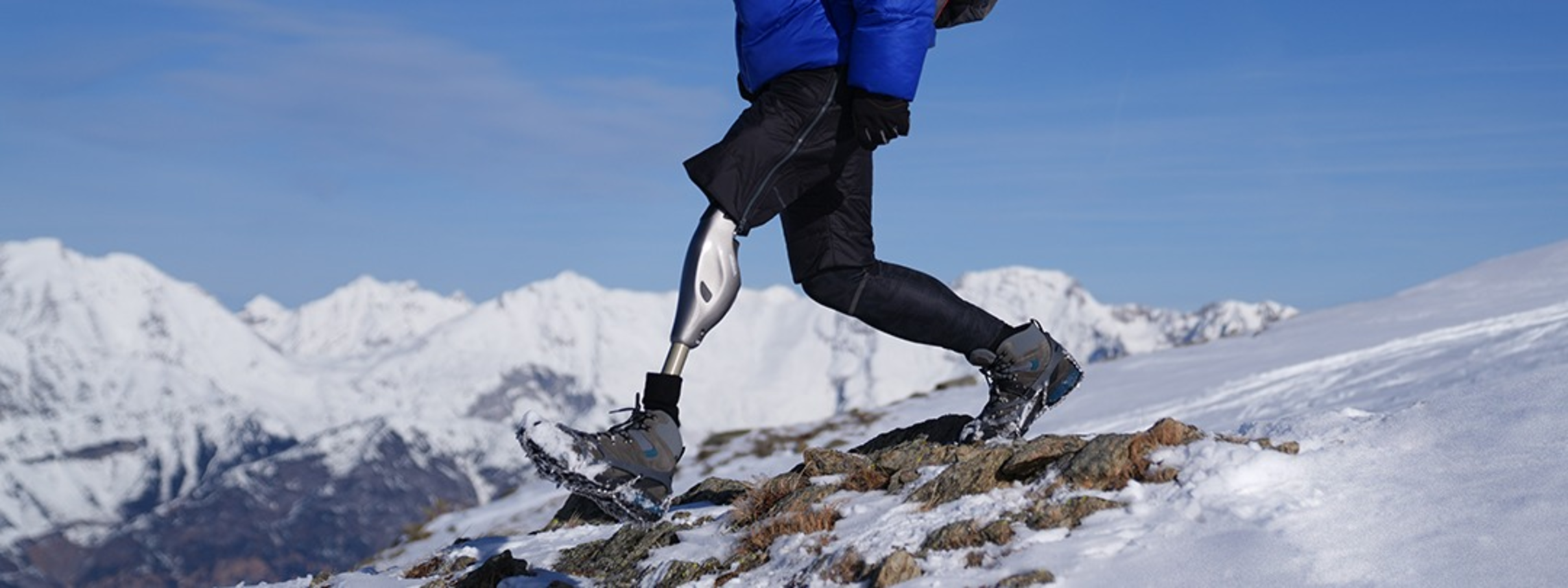
Embracing the Slopes: Skiing and Snowboarding
Skiing is a thrilling and exhilarating winter sport that brings joy to millions of enthusiasts worldwide. Winter sports are probably not one of the options that immediately come to your mind when thinking about getting more active (again). In fact, there are more winter sports options for people with limb difference than expected. Maybe you would like to try out skiing or getting back on the snowboard?
As winter covers the world in a layer of snow, the call of wintersports echoes through the mountains. With the help of adaptive equipment and several initiatives the world of possibilities in para wintersports has grown. Accessible ski resorts and adaptive skiing programs have sprung up globally, offering tailored instruction and support for individuals with various abilities. Whether it's a mono-ski for those with limited lower body mobility or a three-track ski setup for amputees, adaptive skiing allows everyone to experience the thrill of downhill descents.
Wintersports include the disciplines of Para Nordic skiing, Para Alpine skiing and Para snowboarding. In addition to Para cross-country skiing, Para Nordic skiing also includes Para biathlon. .For those who prefer team sports, sled hockey provides an adrenaline-fueled and physically demanding alternative. Played on sleds equipped with blades, athletes use two sticks with picks on the end to propel themselves across the ice and handle the puck.Sled hockey leagues and tournaments around the world have become showcases of skill, strategy, and sheer determination. The sport has gained recognition for its fast-paced nature and the exceptional athleticism displayed by para athletes on the ice.
Ski
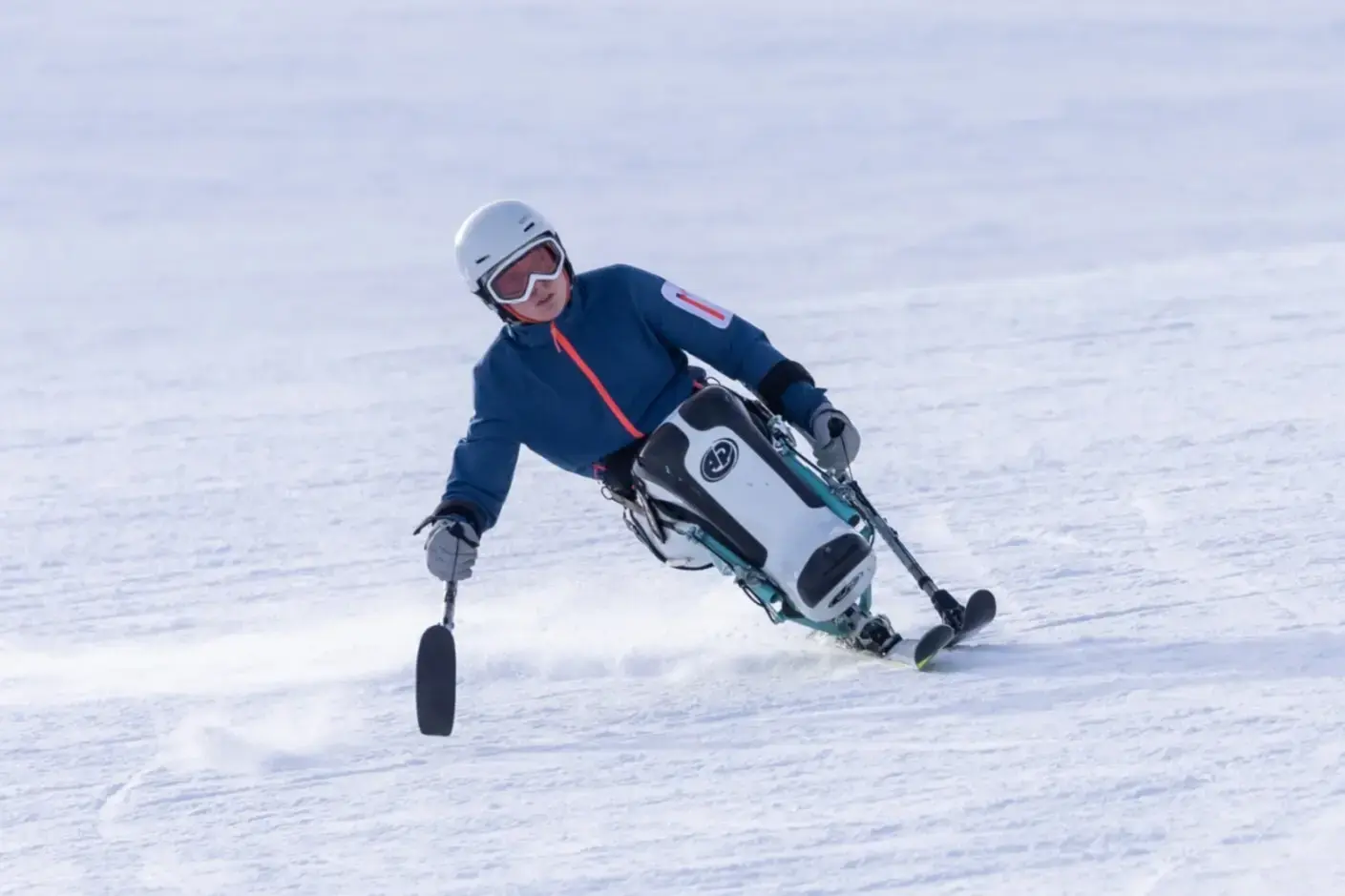
Adaptive skiing is a cornerstone of para wintersports. Para Alpine skiing has five disciplines: downhill, super-G, super-combined, slalom and giant slalom.The respective sports equipment is of particular importance: Ski crutches are similar to everyday forearm crutches, to which small mini skis are also attached.
In the monoski (also monoskibob) people sit in a plastic shell that is mounted on a downhill ski via a spring-loaded linkage. The skiers steer by shifting their weight and with the help of two forearm supports, at the ends of which small skis are mounted.
The Biski has a similar structure, but with two skis and is used for cross-country skiing. It can also be steered down the slope by an accompanying driver during the descent.
Snowboarding
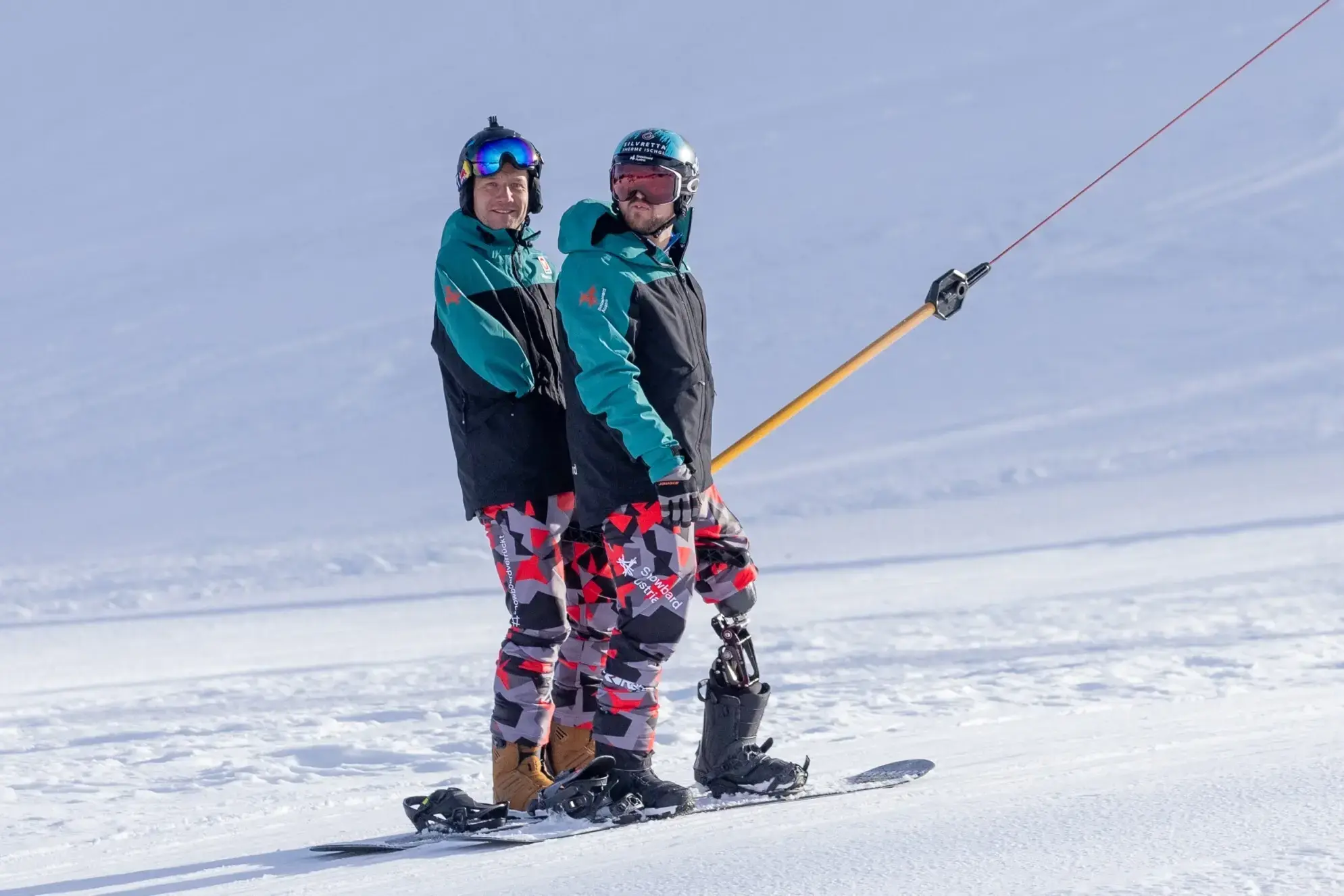
Snowboarding has also embraced inclusivity, with adaptive snowboarding becoming increasingly popular. Specially designed snowboards, outriggers, and adaptive bindings enable individuals to carve through the snow with style and flair.
An important prerequisite for snowboarding is that athletes are able to practice the sport while standing. Unlike skiing, there is currently no way to ride a snowboard while sitting.
Sled Hockey
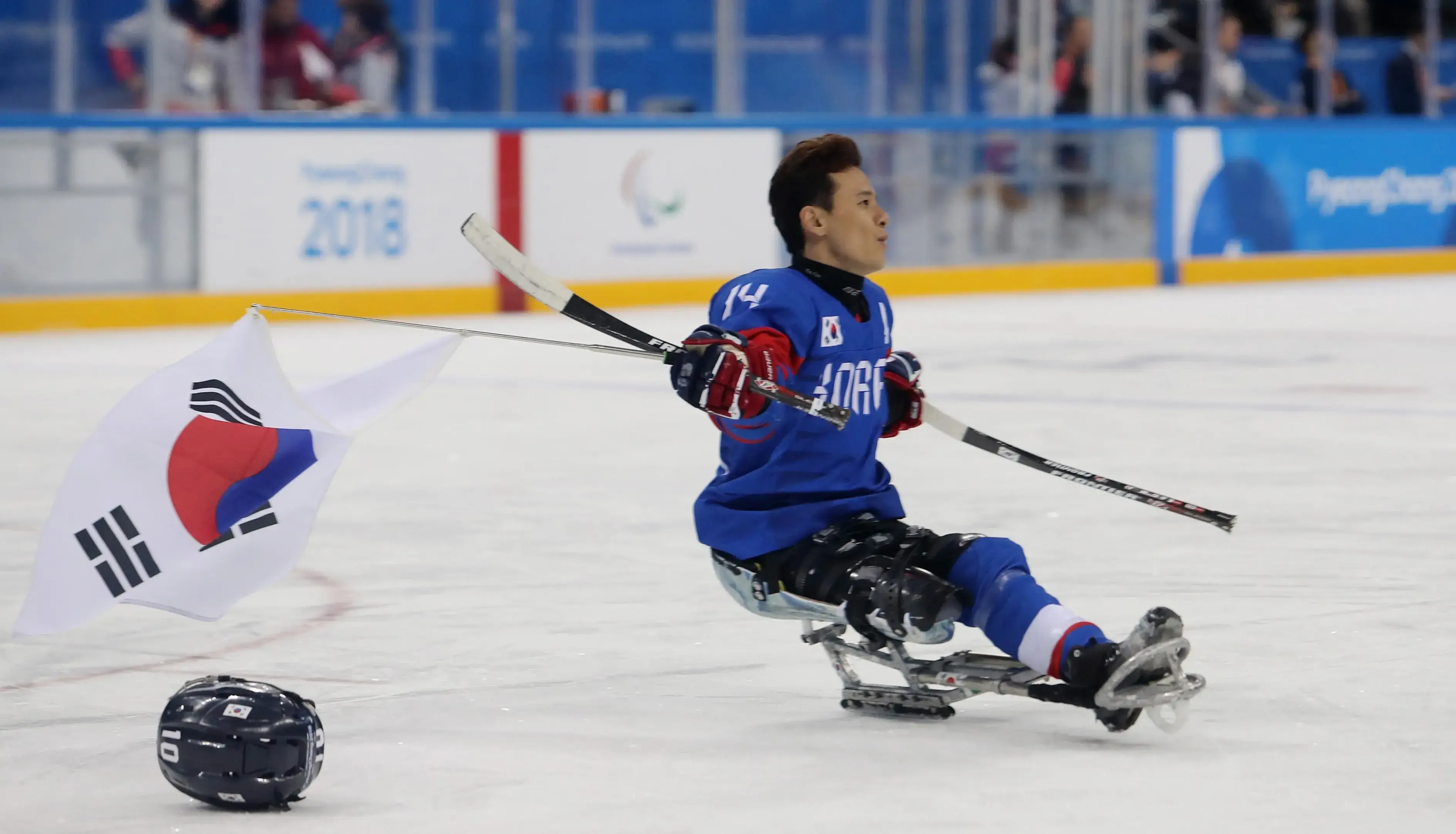
For those who prefer team sports, sled hockey provides an adrenaline-fueled and physically demanding alternative. Played on sleds equipped with blades, athletes use two sticks with picks on the end to propel themselves across the ice and handle the puck.
Sled hockey leagues and tournaments around the world have become showcases of skill, strategy, and sheer determination. The sport has gained recognition for its fast-paced nature and the exceptional athleticism displayed by para athletes on the ice.