
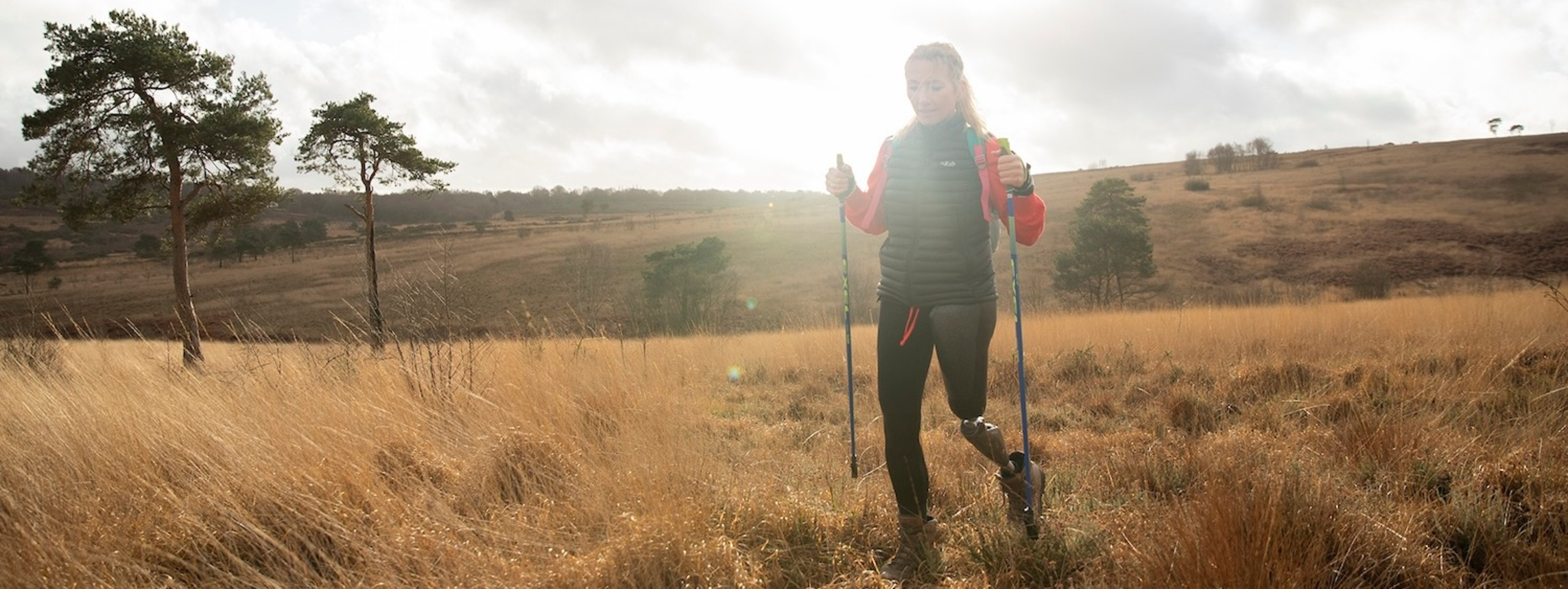
How Nordic Walking can transform life for amputees
Did you know that just 20–30 minutes of outdoor walking can reduce stress by up to 30%, lower anxiety, and improve cardiovascular fitness by 15–25%?
For amputees, these benefits go even further. Walking steadily builds confidence and control with your prosthesis and strengthens the muscles that support your mobility every day.
Getting outside—whether it's a gentle stroll in the park, a walk through town, or a longer wander through woodland—remains one of the simplest and most powerful ways to improve physical fitness. For prosthesis users, it can make daily life feel easier, lighter, and far more manageable.
Nordic walking, in particular, has become increasingly popular, and as an amputee hiker myself, I've felt the impact firsthand. From my own journey, I can say this with confidence: walking has strengthened my body, steadied my mind, and genuinely improved my everyday life on a prosthesis.
Nordic walking is naturally low-impact on the joints, which is essential for protecting the long-term health of your remaining limb. It can be enjoyed solo, with your dog, or alongside a welcoming group—always at a pace that feels right for you.
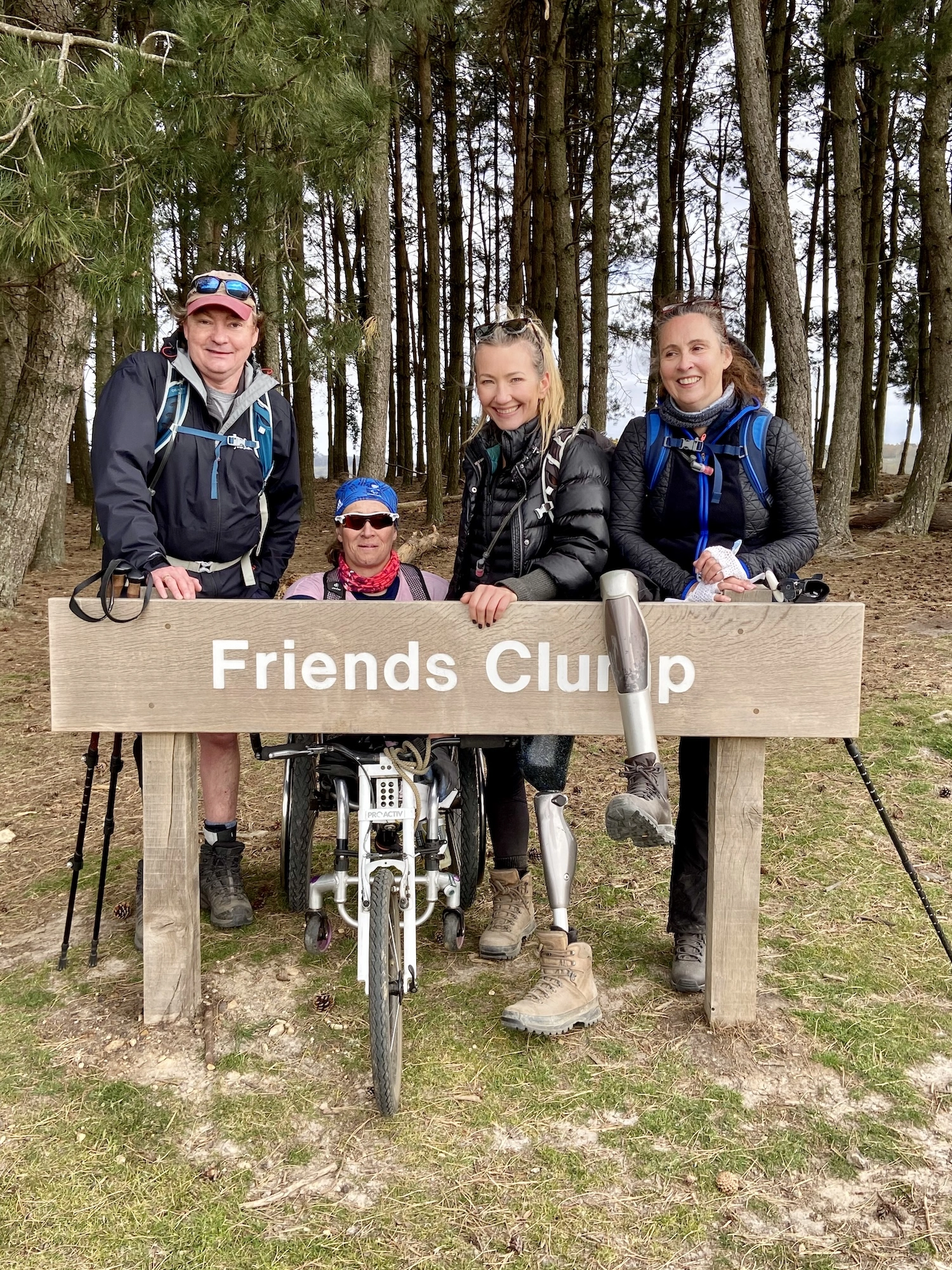
Alongside the physical improvements, Nordic walking is linked to lower blood pressure, reduced cardiovascular risk, improved heart function, better coordination, stronger muscles and bones, and healthier joints. These are significant advantages for amputees, helping you feel strong, capable, and ready to face the challenges of everyday life.
The emotional benefits are just as powerful: time outdoors can ease low mood, reduce anxiety, and help stabilise focus and energy—something many people with ADHD or neurodivergent traits, myself included, recognise instantly.
For anyone who finds daily activities with a prosthesis becoming more tiring, it may simply be that the core, glutes, and back muscles—the body's powerhouse—need more activation. These muscles play a vital role in balance, posture, and overall walking comfort.
Gradually increasing your weekly walking can build stamina surprisingly quickly, and many people find that their prosthesis feels easier and more natural with every consistent bit of walking.
Nordic walking is accessible to most amputees who can walk independently with a prosthesis. Progress will always be personal, and there's no need to rush—starting with gentle walks and gradually increasing distance, speed, and terrain is often the most sustainable approach.
The poles provide stability on uneven ground and encourage upper-body engagement, reducing strain on the lower limbs and helping safeguard the joints of the remaining limb over time.
You don't need a specialist sports prosthesis to walk. A comfortable, well-fitting socket is the most crucial factor, along with regular prosthesis maintenance and the ability to walk confidently without additional aids.
For hilly landscapes or more adventurous routes, a microprocessor knee can offer extra support on undulating terrain, but it is by no means essential; comfort and stability matter far more.
In terms of equipment, very little is required. Staying motivated and committed to your walking goals will bring the greatest rewards—more energy, better mood, improved fitness, and a sense of personal achievement.
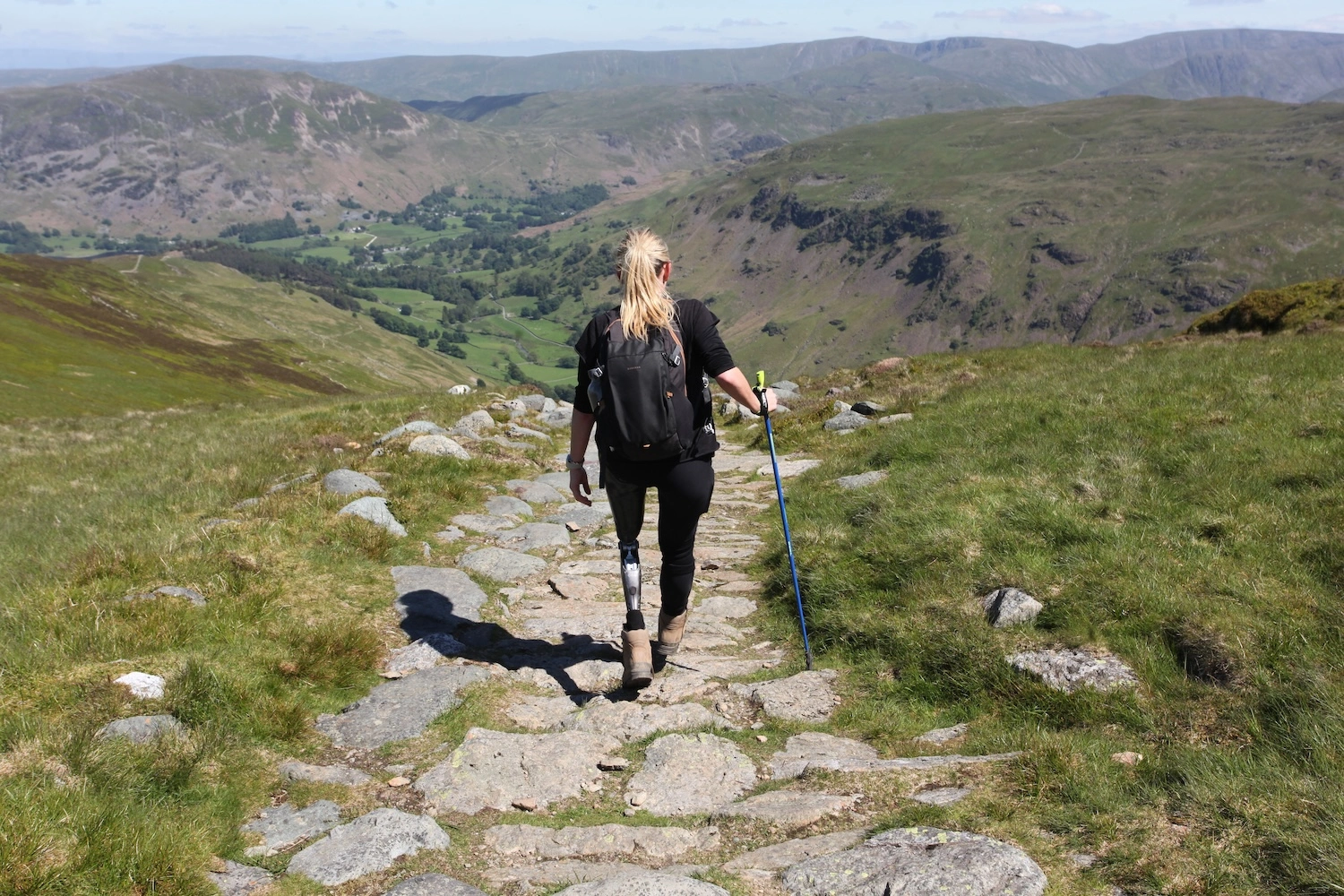
To get started, you only need a few essentials:
- A pair of Nordic walking poles
- Supportive, comfortable footwear
- Weather-appropriate clothing
- A well-fitted prosthesis and comfortable socket
Poles can be fitted in-store for accuracy, or you can calculate the correct length yourself by multiplying your height in centimetres by 0.68 and rounding down. When holding the poles upright, your elbow should naturally rest at a 90-degree angle.
Beginning your Nordic walking journey doesn't have to be complicated. With a few simple adjustments, your early walks can feel smoother, safer, and surprisingly enjoyable:
- Choose shorter, familiar routes to build confidence before exploring new terrain.
- Keep your pace steady and conversational; there's no need to rush.
- Let the poles guide your rhythm — opposite arm, opposite leg — and keep your steps smaller to begin with.
- Relax your grip by using the wrist straps correctly; the poles should swing naturally without tension in your hands.
- Check your residual limb regularly for any rubbing or pressure points.
- Give yourself time to adapt; every walk strengthens your balance, coordination, and overall comfort.
- Increase distance, pace, or terrain gradually — only when your body feels ready.
- Document your progress weekly — tracking distance, pace, or steps helps you see how far you've come and stay committed to your new walking goals.
As with any new activity, listening to your body is key. Allow your technique to come naturally, trust your pace, and enjoy the small wins — because each walk builds over time, and you'll soon find your confidence, endurance, and ease of movement growing with it.
Here is an excellent short Nordic walking tutorial; you'll of course adapt it to suit your own walking style as an amputee:
Once you've found your rhythm, you can begin to explore new scenery, add gentle slopes, or join a local Nordic walking group. Many community clubs, gyms, and outdoor groups worldwide now offer Nordic walking sessions; further information is available from the International Nordic Walking Federation at https://www.inwa-nordicwalking.com/.
Time spent outdoors remains one of the most underrated forms of rehabilitation and support for well-being. Research shows that being in nature can reduce cortisol by up to 28%, boost energy within minutes, improve sleep and mental clarity, and enhance emotional resilience. For amputees, outdoor movement isn't just exercise—